Ruth Ellis granted pardon after 70 years
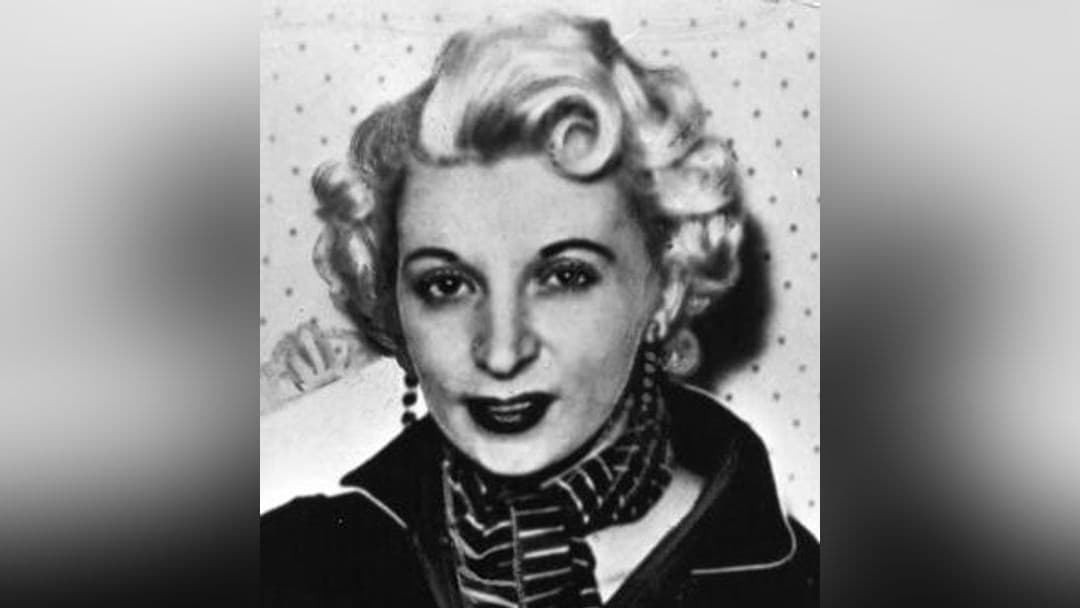
Ruth Ellis, the last woman hanged in the UK, has received a conditional pardon, reflecting historical injustices
Ruth Ellis, remembered as the last woman to be hanged in the United Kingdom, has been granted a conditional pardon by His Majesty the King. This significant decision came after advice from the Deputy Prime Minister and acknowledges the exceptional circumstances surrounding her infamous case. Ellis shot and killed her partner David Blakely on 10 April 1955 and was convicted of murder, leading to her execution on 13 July of the same year. Historical records indicate that no reprieve was sought, nor an appeal lodged, at the time of her sentencing.
The application for a pardon was brought forward by her grandchildren, who argued that Ellis's actions were deeply influenced by domestic abuse and trauma, factors that were not properly recognised during her trial. Modern legal understanding suggests that she could have been able to argue partial defences of loss of control or diminished responsibility, arguments that could have impacted the verdict had her case been tried today.
By replacing the death penalty with a life sentence, the government aims to address the historic injustice faced by Ellis while acknowledging the evolving perceptions of intensive domestic violence. The Deputy Prime Minister and Justice Secretary David Lammy remarked, "For 70 years, the family of Ruth Ellis have fought for her story to be heard. We cannot change what happened seventy years ago. But we can recognise that this was an exceptional case." This act is viewed as an essential step towards reconciliation for the Ellis family.
Laura Enston, Ruth Ellis's granddaughter, expressed immense gratitude for the pardon, stating, "Today, justice has finally been done for our grandmother, Ruth Ellis – the last woman to be hanged in England in 1955." She continued, "This pardon does not undo what happened 71 years ago... it says, formally and finally, that Ruth should not have been executed; that the justice system failed her." Enston also underlined the lasting impact of her grandmother's execution on their family, as well as the stigma they had to endure over the decades.
Catherine Atkinson, Minister for Victims and Tackling Violence Against Women and Girls, echoed the sentiment, expressing gratitude to Ellis's family for their relentless efforts in bringing this case to light. "For seventy years, Ruth Ellis’s family have carried the weight of what happened to her," she stated. "Today we recognise the exceptional circumstances surrounding her case and the impact they had on her life."
The formal pardon serves not only as a measure of justice for Ruth Ellis and her family but also highlights the ongoing need for reform within the justice system. It calls for a stronger understanding of how domestic abuse can profoundly affect individuals, particularly women facing coercive and controlling behaviours. This case stands as a poignant reminder of the responsibility of society to consider the complexities of such situations in the pursuit of justice.
 Copyright & permissions