Russian Federation v Hulley Enterprises: Court of Appeal orders £975,000 security for costs
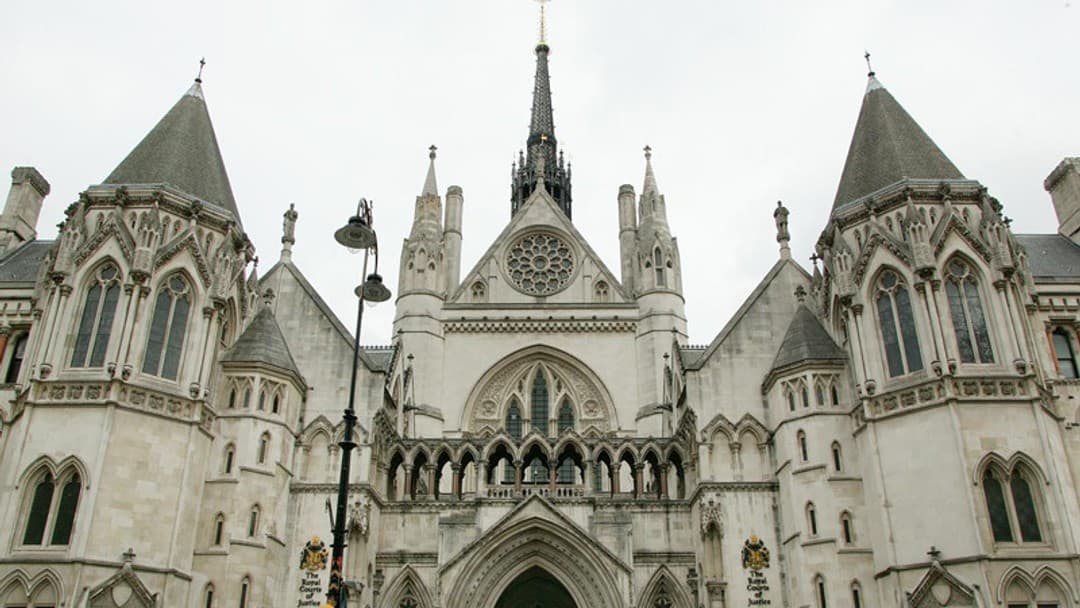
The Court of Appeal orders Russia to provide £975,000 security for costs, citing enforcement risks and delayed payments.
The Court of Appeal has ordered the Russian Federation to provide £975,000 in security for costs in its appeal against the enforcement of arbitration awards worth approximately US$50 billion, finding a real risk that the claimants would be unable to recover their costs if Russia’s appeal failed.
In The Russian Federation v Hulley Enterprises Limited & Ors [2026] EWCA Civ 1353, handed down on 22 October 2026, Lord Justice Fancourt, with Lord Justice Phillips agreeing, held that security was justified given Russia’s history of delayed payments and the substantial difficulties the respondents would face enforcing an English costs order against the Russian state.
The underlying proceedings began in 2015, when Hulley Enterprises Limited, Yukos Universal Limited and Veteran Petroleum Limited sought recognition and enforcement in England and Wales of three arbitration awards made in the Netherlands. The awards required Russia to pay approximately US$50 billion in compensation, plus interest.
Following earlier litigation concerning state immunity, Mr Justice Bright ruled in favour of the respondents on preliminary issues in March 2026. He ordered Russia to pay the respondents’ trial costs and make an interim payment of £2.5 million. The court subsequently granted permission to appeal on several grounds, with some permissions remaining provisional pending consideration of conditions.
The respondents applied for conditions on the appeal and security for costs after earlier costs orders remained unpaid. Although Russia eventually paid the principal sums into the Court Funds Office, the interim costs were paid late, in two instalments in August 2026. Further interest remained outstanding at the time of the hearing.
The court declined to impose conditions on the pursuit of the appeal, finding no compelling reason to do so in the circumstances as they then stood. The principal sums had been paid into court, and the remaining transfer to the respondents’ solicitors appeared to be an administrative matter. The court expected the outstanding interest to be paid in accordance with an agreed timetable.
However, the separate application for security for costs succeeded. The court rejected Russia’s argument that the respondents had failed to establish a sufficient risk of non-payment. Previous payments did not provide adequate assurance that future costs would be paid promptly if the appeal failed. The evidence also suggested that arranging payment could involve substantial delay.
The court considered enforcement in Russia particularly problematic. Unlike a conventional dispute involving a foreign defendant with assets abroad, the application concerned enforcement against the Russian state itself, by parties seeking to enforce awards that Russia had resisted. In the court’s assessment, the current political climate and Russia’s approach to foreign judicial and arbitral decisions meant there was a real risk that an English costs order could not be enforced there.
Fancourt LJ held that, in these exceptional circumstances, separate expert evidence on Russian enforcement would be superfluous. He stressed that the conclusion did not establish a general rule for other cases. The court also found no evidence that an order for security would prevent Russia from pursuing its appeal.
The court rejected Russia’s submission that the rules governing conditions on appeals prevented it from ordering security for costs. It held that an application under CPR Part 25 was distinct from an application to impose conditions under CPR 52.18. The restriction on later applications for appeal conditions did not prevent the respondents from seeking security under the separate rules.
The amount sought, however, was substantially reduced. The respondents’ schedule exceeded £3.6 million, including counsel’s fees. The court considered several figures excessive and found that £600,000 was appropriate security for counsel’s disbursements, with £375,000 allowed for solicitors’ profit costs and other expenses.
Russia must provide the total security of £975,000 by 4pm on 1 March 2027. If it fails to do so, the appeal will be struck out without further order. The court directed that the appeal should not be listed before 9 June 2027.
The decision distinguishes between imposing conditions on an appeal and protecting a successful party against the risk of unrecoverable costs. It also underlines the court’s willingness, in exceptional circumstances, to assess enforcement risk against a foreign state without requiring further evidence where the risk is self-evident from the circumstances.
 Copyright & permissions