Rough sleeping is no longer a crime
The UK government has repealed the Vagrancy Act, marking a pivotal shift towards supporting the homeless and preventing future homelessness
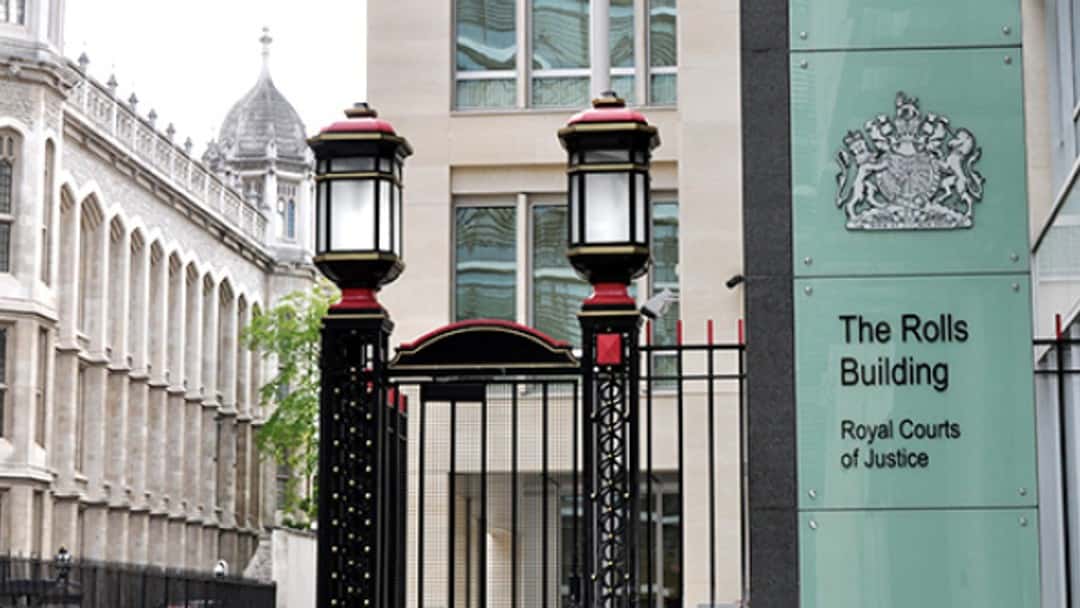
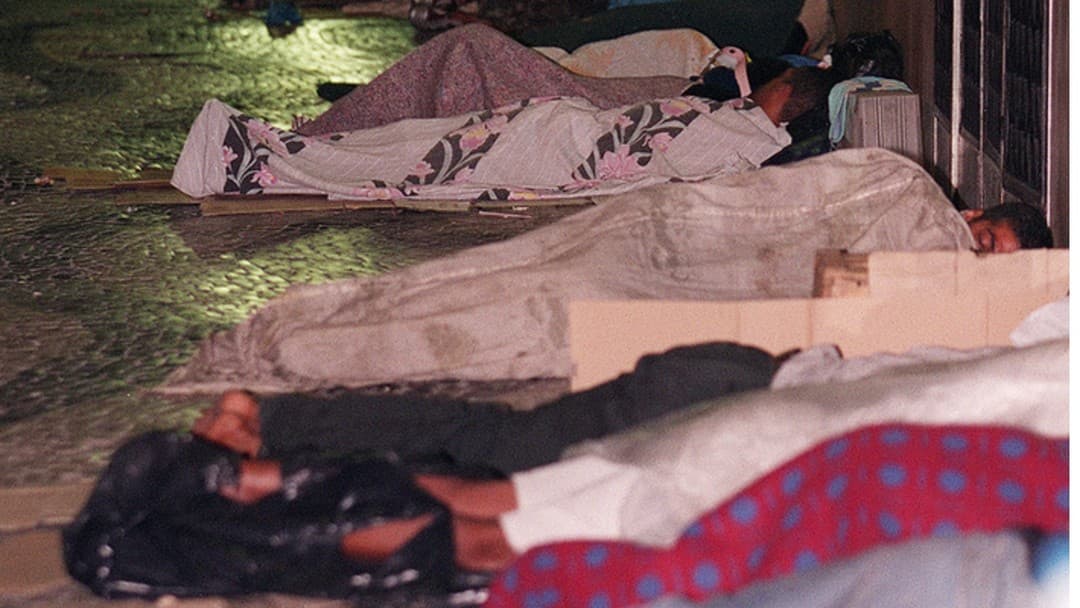
On Monday 29 June 2026, the UK government will officially repeal the Vagrancy Act, a law that has lingered since 1824, criminalising acts of rough sleeping and begging. This significant decision has been welcomed as a necessary change in the approach to homelessness, removing a legal framework that has often penalised the most vulnerable members of society simply for lacking a home. The Vagrancy Act has historically pushed those without housing further into marginalisation, making it increasingly difficult for them to seek help or rebuild their lives.
Housing Secretary Steve Reed stated that "homeless people are not criminals, they are people who need help." He further explained that the repeal is part of a broader move towards prioritising prevention over punishment. Alongside this legislative shift, the government is investing £3.6 billion in a National Plan to End Homelessness, intending to halve long-term rough sleeping and end the unlawful use of bed and breakfasts for families over the next parliamentary period.
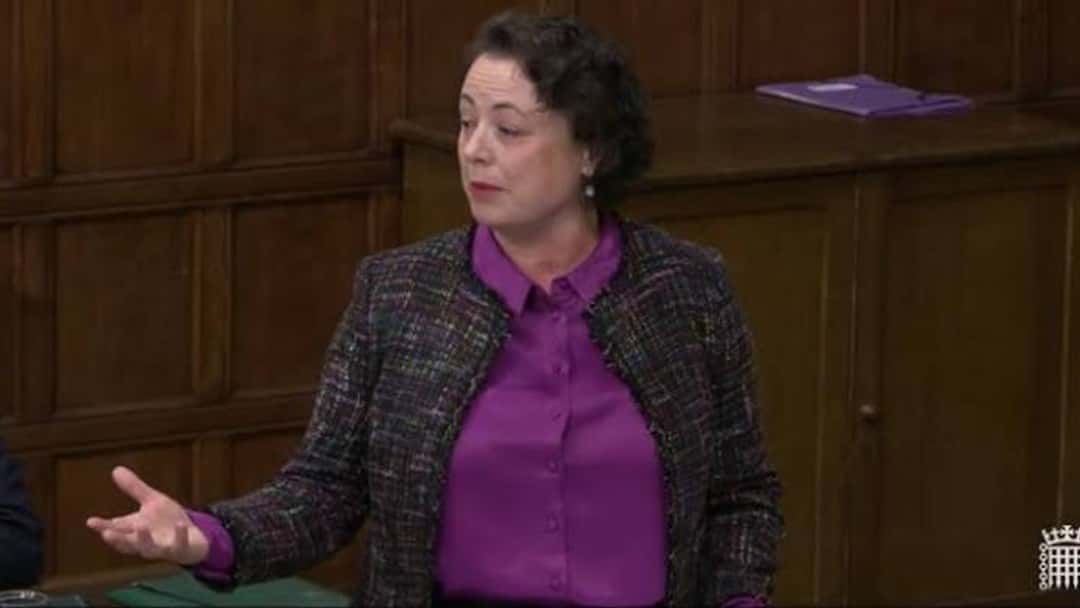
Alison McGovern, the Homelessness Minister, added that "repealing the Vagrancy Act is a long-overdue step that reflects a modern understanding of homelessness." With the act's repeal, the government aims to address the root causes of homelessness rather than simply managing its symptoms through punitive measures. The focus will now be on providing essential support and preventive measures, ensuring that individuals without homes have the opportunities necessary to reintegrate into society.
The Vagrancy Act's origins trace back to the aftermath of the Napoleonic Wars and the Industrial Revolution, addressing rising homelessness during that period. While its enforcement has declined over the years, it has still been used to displace individuals from public spaces rather than offer them compassion and assistance. As a result, the law has fostered an environment of fear amongst homeless populations, deterring them from seeking vital support services.
As part of the ongoing efforts to assist those experiencing homelessness, the government has implemented various programmes including a £159 million grant for supported housing that aims to house over 2,500 people and prevent homelessness from ever occurring. Chief Executive of Crisis Matt Downie expressed that "this is a watershed moment which marks the end of a deeply cruel policy of criminalising people because they are homeless." He emphasized the importance of this change in mindset, noting it as a collective victory for charities, campaigners, and individuals who have faced the hardships of homelessness.
Housing Justice CEO Bonnie Williams highlighted the importance of evolving societal perspectives, stating that the repeal must not be seen as merely symbolic but as part of a transformative approach to support those in need. She echoed the sentiment that "an approach that puts the emphasis on compassion, not condemnation" is essential in addressing homelessness and providing a pathway to recovery.
Evident from the recent housing figures, the government is committed to significant investments, including £39 billion over the next decade aimed at increasing the availability of social and affordable housing. The aim is to ensure that everyone has a safe and secure place to call home, transforming the current crisis-led response into targeted support that fosters sustainable living.
As this historic repeal comes into effect, advocates across the sector express hopes that it will catalyse further reforms, with CEO of Homeless Link Rick Henderson asserting that "rough sleeping should never be a crime." Many believe that this significant legislative change represents an essential step towards a more humane, supportive, and effective approach to tackling homelessness in the UK.
 Copyright & permissions