Reform set to aid asbestos victims
.jpg&w=3840&q=75)
Scottish law reform offers timely support for victims of asbestos-related diseases, improving access to justice for many vulnerable individuals
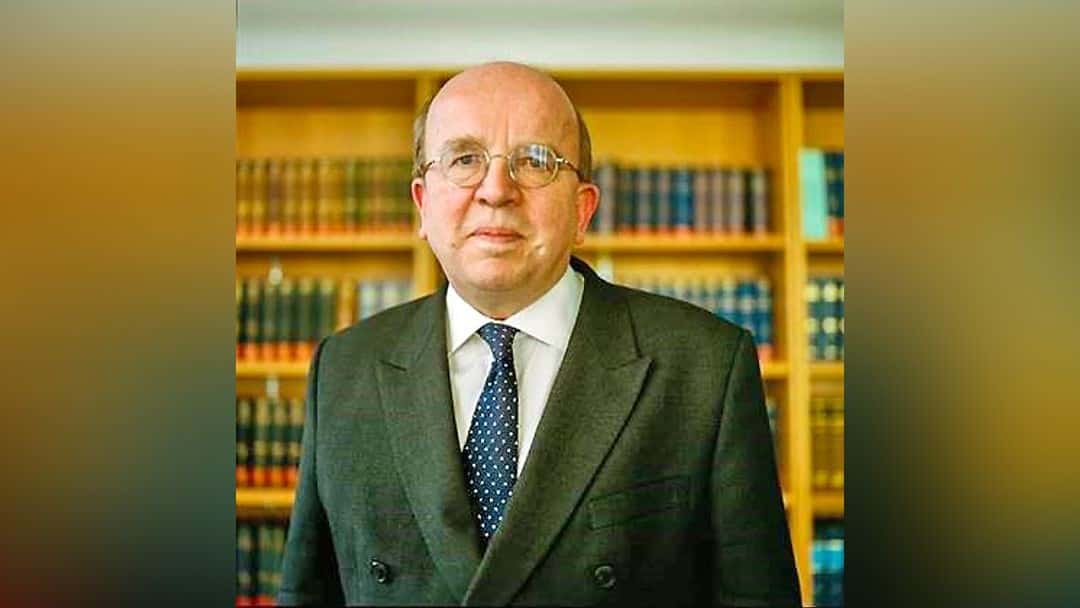
The decision to reform a Scottish law that currently restricts access to compensation for victims of deadly cancers caused by asbestos has been welcomed by legal professionals. “People with ‘pleural plaques’, caused by exposure to asbestos, have three years from diagnosis to make a claim for compensation. Missing this deadline means they are permanently blocked from making a claim if they later develop a more serious asbestos-related disease,” explained Gordon Dalyell, the Scotland representative for the Association of Personal Injury Lawyers (APIL).
The Scottish Government has announced plans to introduce legislation later this year aimed at clarifying when the three-year time limit for filing claims begins. Mr Dalyell added, “Pleural plaques are scar tissue on the lungs, which do not cause physical symptoms, and do not go on to cause cancer. This is why many people with pleural plaques do not claim compensation.”
The law currently stipulates that the clock starts ticking once an individual is informed of their pleural plaques diagnosis. “They must bring a claim and include a request for provisional damages, which allows them to return to court and seek further compensation if they subsequently develop a more serious asbestos-related illness,” he stated.
“There is a serious risk that if a claim is not brought within three years for pleural plaques, and the person does develop, for example, mesothelioma which is a terminal cancer caused by exposure to asbestos, then at present the law says they cannot go on to claim for the mesothelioma,” warned Mr Dalyell, who is based in Edinburgh. “A terminal diagnosis will be when victims most need compensation to provide financial security, therapies and care in their dying days.”
The statistics indicate that many individuals remain unaware of the necessity to file a claim within this strict timeframe. “Many people are simply unaware that they need to bring a claim within three years of a pleural plaques diagnosis to preserve their right to pursue a later claim for a more serious asbestos-related disease,” he noted.
Mr Dalyell concluded by emphasising the importance of the upcoming reform, saying, “Clarifying limitation will give terminally ill people with certain asbestos conditions the access to justice they need. It is the right and compassionate thing to do.”
It is important to note that individuals suffering from pleural plaques are unable to claim compensation for their condition in England and Wales, highlighting the necessity for the proposed reforms in Scotland.
 Copyright & permissions