Redress delayed: survivors left without a national scheme
By Andrew Lord
Despite IICSA’s 2022 call for a national redress scheme, the Government has abandoned the proposal, leaving survivors reliant on piecemeal initiatives such as the Church of England’s new scheme
In October 2022, over eight years after it was first announced by the then-Home Secretary, the Independent Inquiry into Child Sexual Abuse (IICSA) released its final report. After several thorough and lengthy individual investigations, the comprehensive final report contained 20 recommendations. One suggestion was that a non-adversarial national redress scheme for survivors of child sexual abuse and exploitation should be established, funded by central and local government with voluntary contributions by non-state institutions. Such a scheme would have followed precedents from other jurisdictions, including Scotland, Ireland and Northern Ireland, in providing a less litigious route to compensation for survivors.
IICSA’s recommendations seemed to languish on the sidelines for a few years, that is until April 2025, when there was renewed hope following a ministerial statement which gave an update on progress towards implementing many of the proposals. However, one notable absence was the national redress scheme, as the Government confirmed it was not currently taking steps to advance this.
The arguments in favour of redress schemes for survivors are varied but largely straightforward. Compensation accounts for the harm caused and allows access to therapy, they provide a sense of justice served through a less adversarial process, the risks of retraumatisation are minimised, and there are ultimately less legal costs when considered against comparable civil claims.
There have been examples of successful redress schemes for abuse survivors within England and Wales, such as the Lambeth Redress Scheme, which saw over 2,200 survivors apply for compensation and also offered non-financial remedies such as a written apology. The Scheme closed in January 2022, and as of March 2024 approximately £101 million had been paid in compensation and £16.4 million for applicants’ legal costs.
My own experience representing applicants in the Lambeth scheme was that many survivors came away feeling positive. However, given the inherent sensitivities involved, the scope for disagreement on where applications fell within particular bandings, and the expertise required to present best evidence for complex impact and losses in non-recent claims, this collectively meant that the input of specialist legal advisors was beneficial to the majority of applicants I met with.
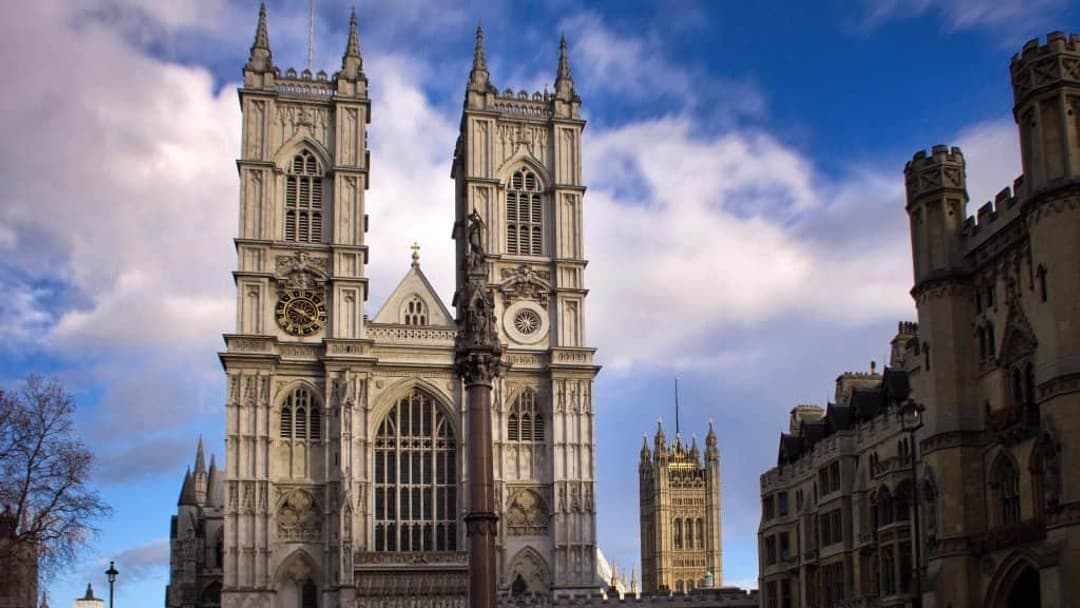
The Church of England is the latest institution to take the initiative and has announced its own redress scheme for survivors of abuse of all ages. This seeks to compensate those subjected to sexual, physical, emotional, spiritual or financial abuse, or neglect by a person who was authorised to perform a role in the Church of England, and where there is a close connection between that person’s role and the abuse they inflicted. There is also an additional eligibility pathway where an appropriate person in the church failed to take steps to prevent abuse once they were aware of a risk.
 Copyright & permissions