Re AL: High Court orders child’s return to Spain despite mother’s mental health concerns
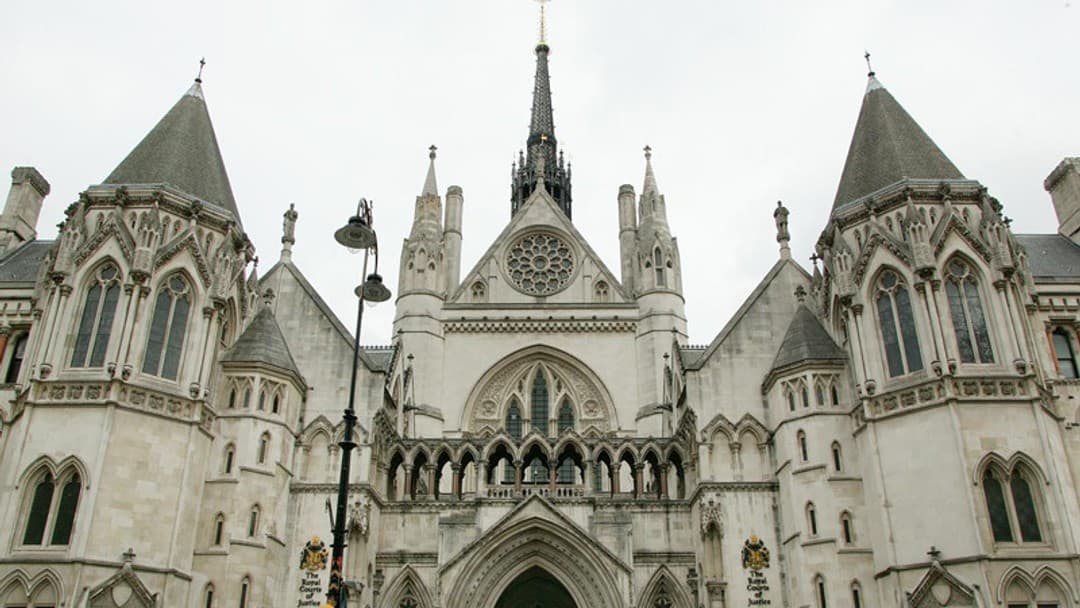
The High Court ruled that protective measures and available mental health support meant the grave-risk exception did not apply.
The High Court has ordered the return of a five-year-old girl to Spain under the 1980 Hague Convention, finding that her mother’s mental health concerns and allegations of domestic abuse did not establish a grave risk of harm.
In Re AL (A Child) (Abduction: Spain: Art 13b: Mental Health) [2026] EWHC 2705 (Fam), Deputy High Court Judge David Rees KC held that protective measures proposed by the father would sufficiently address the risks arising from the mother’s allegations of domestic violence and controlling behaviour. He also concluded that the evidence did not establish a real risk of suicide if the mother returned to Spain.
The parents and child are British citizens with permanent residency in Spain. The girl had lived there throughout her life, apart from short visits to the UK, before her mother extended a trip to England in March 2026. The father subsequently sought her return under the Convention.
Both parents accepted that the child had been wrongfully retained in England and Wales while habitually resident in Spain. The court was therefore required to order her return unless the mother established an exception under Article 13, including the defence that return would expose the child to a grave risk of physical or psychological harm or place her in an intolerable situation.
Domestic abuse allegations and protective measures
The mother alleged that the father had been physically and emotionally abusive, controlling her movements and finances and leaving her isolated in Spain. She described incidents in which she said he pushed her, causing cuts and bruising, and braked sharply while driving, leaving marks on her neck.
The father disputed her account, offering alternative explanations for the incidents and denying that he had been controlling or abusive. The judge considered that the summary nature of Hague Convention proceedings prevented him from determining the disputed allegations conclusively. He could not, however, confidently discount the possibility that they raised an Article 13(b) risk.
The judge found that a grave risk could arise if the mother and child were required to return to live with the father. That was not the proposed arrangement.
The father offered undertakings not to harass or threaten the mother or child, not to seek to remove the child from her care pending orders from the Spanish court, and not to pursue proceedings against the mother arising from the retention. He also agreed to fund separate accommodation, maintenance and therapeutic support, providing a lump sum of up to €6,960 for rent, living costs and therapy.
The judge considered that the lump-sum arrangement would give the mother greater financial autonomy and reduce the potential for financial control. He was satisfied that the protective measures could be registered in Spain and would sufficiently address the risks arising from the abuse allegations.
Mental health evidence did not establish a real risk of suicide
The mother relied on a psychiatric report from Dr Una McDermott, who diagnosed chronic adjustment disorder and warned that returning to Spain would probably worsen her mental health. The report identified a real possibility of clinical depression and an increased likelihood of renewed suicidal thoughts, with possible action.
The judge considered the Supreme Court’s decision in Re DM [2026] UKSC 32, which held that a real risk of a parent’s suicide could establish grave risk to a child, even where the likelihood was small, given the potential psychological consequences.
However, he found that Dr McDermott’s evidence involved several layers of conditionality. Although deterioration in the mother’s mental health was more likely than not, the progression to significant clinical depression, renewed suicidal thinking and possible action was expressed in increasingly qualified terms. The report did not specify a timeframe for the potential deterioration.
The judge concluded that this evidence fell materially short of establishing the real risk of suicide required by Re DM. He also noted that the mother had sought medical and crisis support when her mental health deteriorated in the UK, and that the expert considered her motivated and capable of obtaining appropriate help.
Evidence before the court indicated that medication, English-speaking general practitioners and therapeutic support could be accessed in Spain. The father had offered funding for therapy, and Dr McDermott accepted that the mother’s therapeutic needs could potentially be met there.
Having considered the evidence both separately and cumulatively, the judge was not satisfied that returning the child would expose her to a grave risk of harm or place her in an intolerable situation.
The court therefore ordered the child’s return to Spain, leaving decisions about her long-term welfare to the Spanish courts.
 Copyright & permissions