R v Freeman: retrial fee reduction applies to daily attendance fees, costs judge rules
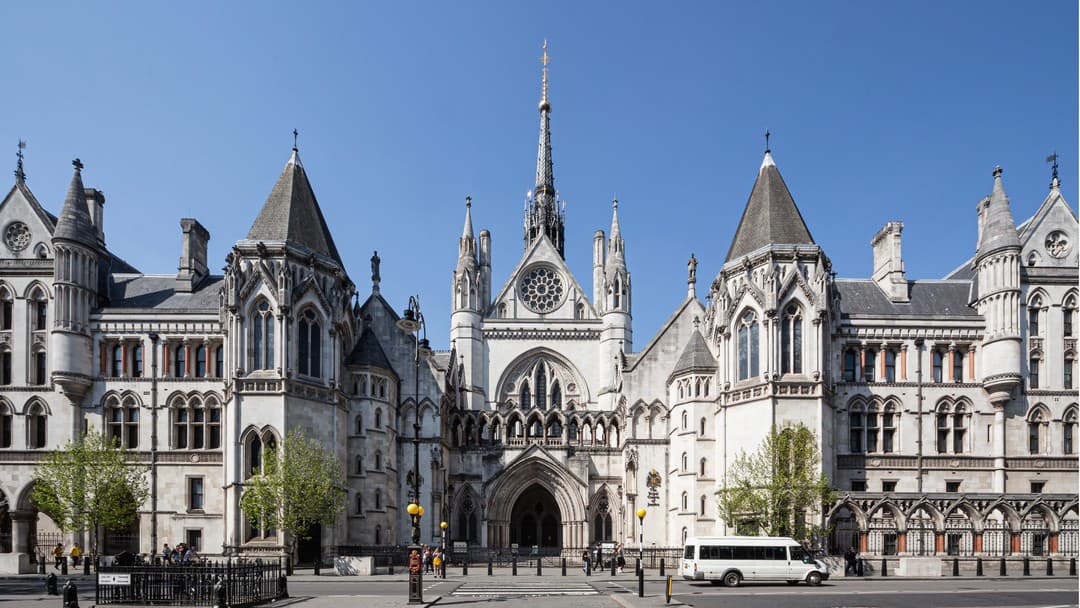
Retrial reduction covers daily attendance fees, but advocate recovers fee for day listed in error.
A costs judge has held that the percentage reduction applied to an advocate's fee for a retrial extends to daily attendance fees, while allowing the advocate to recover a fee for a day on which the court's published list wrongly showed a trial sitting.
In R v Freeman [2026] EWHC 2545 (SCCO), Costs Judge Brown partly allowed an appeal by Laurence Selby KC against the Lord Chancellor's determination of his graduated fee under the Criminal Legal Aid (Remuneration) Regulations 2013.
Mr Selby represented one defendant in a multi-defendant trial at Northampton Crown Court. The jury was discharged on 11 September 2025 after a co-defendant's legal team withdrew, and the case restarted on 29 September. It was common ground that there had been a trial and a retrial for fee purposes.
Mr Selby sought the retrial reduction on the basic fee only, arguing that daily attendance fees should be excluded. The determining officer applied it to the whole graduated fee and disallowed an attendance fee for 23 October 2025, finding it was not a trial day.
Scope of the reduction
Paragraph 2(3) of Schedule 1 provides that, on a new trial, the graduated fee must be calculated in the usual way but "the fee" must be reduced by a stated percentage. The judge agreed with the Lord Chancellor's representative that "graduated fee" and "the fee" mean the same thing. Nothing in the wording suggested the reduction was confined to the basic fee.
Mr Selby relied on the pre-2007 scheme, which expressly spared the refresher element from reduction. The judge considered that point to cut against him: had the drafters intended to protect attendance payments in the current scheme, they would have said so in clear terms.
He also accepted that daily attendance fees reflect preparation as well as attendance, so some overlap between trial and retrial could be expected. The post-2007 simplification, with lower percentage reductions, was consistent with the reduction covering the whole fee. Concerns about the advocate's election and about tax and accounting complications could not displace the natural meaning of the regulations. That ground failed.
The listing on 23 October
The second issue was harder. On 22 October, the trial judge indicated that counsel need not attend on 23 and 24 October unless a conference was needed, and the court log recorded that the court was not sitting on those days. Both sides accepted that attendance solely for a conference would not attract a trial day fee.
However, the Daily List published on 22 October showed the judge sitting from 10am on 23 October, listed the matter "for trial" and named all six defendants. Mr Selby said he tried to clarify the discrepancy with the court without success. He attended and was told the case had been listed in error.
The Lord Chancellor argued that this was plainly a "soft listing". The judge was not persuaded. The Daily List might be regarded as the official and determinative listing, and the inconsistency justified attendance. The alternative would have required counsel to decide for himself that the list was wrong, stay away and risk being called to account. The risk of adverse consequences was remote, and other counsel might have relied on the judge's remarks, but neither point was determinative. The fee for that day was allowed.
The Lord Chancellor was ordered to pay Mr Selby's costs of £350 for the successful ground. The judge added that it would have been helpful had the Lord Chancellor's representative attended the remote hearing, despite her useful written submissions.
 Copyright & permissions
.jpg&w=3840&q=60)

-cropped-6au25meu.jpg&w=3840&q=60)



.JPEG&w=3840&q=60)