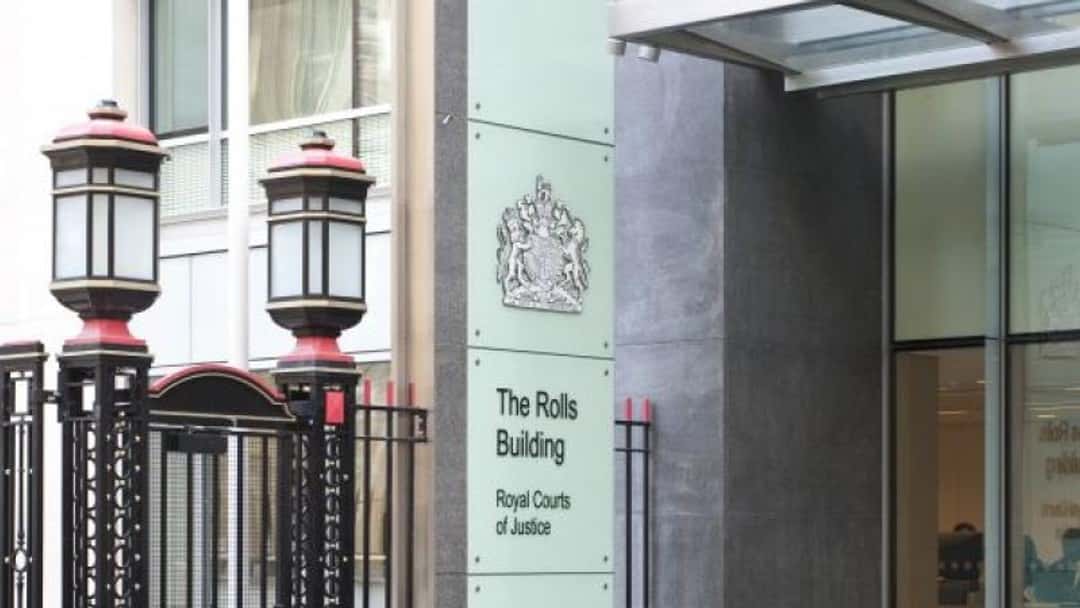
Mediation is no longer a peripheral feature of civil dispute resolution. The procedural direction of travel, culminating in Churchill v Merthyr Tydfil County Borough Council [2023] EWCA Civ 1416, is towards earlier and more serious engagement with non-court dispute resolution. The Court of Appeal confirmed that a court may stay proceedings for, or order participation in, such a process where doing so is proportionate and does not impair the essence of the right to a judicial hearing.
For solicitors, the practical question is therefore not simply whether mediation should be mentioned. It is when to raise it, how to present it to a reluctant client and how to ensure that, if it takes place, the client arrives ready to make effective use of the opportunity.
Why solicitors should raise mediation early
A client’s first instinct may be to seek vindication, leverage or a public determination that the other party was wrong. “It is not about the money; it is about the principle” is familiar territory. The solicitor’s role is not to dismiss that reaction, but to help the client distinguish between the outcome they understandably want and the remedies a court can actually provide.
That distinction is especially important in contentious probate, inheritance and trust disputes, which is my sphere as both a solicitor and a mediator. Legal questions are often inseparable from grief, family history, perceived unfairness and mistrust. A judgment may determine the validity of a Will, the extent of reasonable financial provision or the proper administration of a trust. It will rarely provide an apology, restore communication or design the practical arrangements needed by a family.
Mediation can address matters beyond strict legal entitlement: timing, tax, property transfers, sentimental assets, trustee replacement, future communication and the orderly administration of an estate or trust. It also allows the parties to retain control over whether, and on what terms, they settle.
Positioning mediation without signalling weakness
Clients sometimes hear “mediation” as “backing down”. It is better presented as a strategic, confidential process in which they can test risk, seek clarification and explore outcomes outside the court’s powers without surrendering the right to continue litigating if no agreement is reached.
The conversation should form part of the initial merits and risk discussion, alongside prospects, evidence, cost exposure and timescale. It should then be revisited at meaningful points: after the exchange of pre-action correspondence, once essential disclosure is available, after pleadings or expert evidence, and before costs escalate or positions become entrenched. Raising mediation early does not mean mediating prematurely.
Choosing the right moment
A productive mediation requires enough information for informed decisions, but not necessarily every document that might eventually be disclosed at trial. The solicitor should identify the minimum material needed to value the claim, understand the principal risks and formulate workable settlement options.
In estate and trust matters, this may include the Will file, medical records, estate or trust accounts, details of lifetime transactions, key correspondence, tax advice and current valuations. Outdated valuations can undermine an otherwise promising mediation, particularly where a party may seek a property transfer, buy-out or fixed lump sum rather than a percentage of an eventual sale.
If a factual or expert issue genuinely prevents meaningful negotiation, deal with it first. Conversely, requests for perfect disclosure can become a reason to postpone mediation indefinitely. The correct question is whether the present uncertainty can be priced and negotiated, or whether it makes rational decision-making impossible.
Preparing the client, not just the case
Most clients have never attended a mediation. They need a clear explanation of the day: the mediator’s neutral role, the private meetings, the possibility of long periods of waiting, the confidential and without-prejudice nature of discussions, and the fact that the mediator will not decide the case or compel a settlement.
Preparation should include a realistic review of best, worst and most likely outcomes, with costs and enforcement risk. The client should understand their alternatives if no agreement is reached and identify in advance what matters beyond money. Solicitors should test proposed settlement structures, confirm the client’s authority to settle and identify any approval, tax, funding or third-party consent requirements.
In emotionally charged disputes, practical welfare also matters. Consider whether the client needs a supporter, what breaks or adjustments may be required, whether direct contact with another party should be avoided and who will attend from each side.
The client should know that movement during negotiation is normal and does not mean their underlying case has suddenly weakened.
Common barriers and how to address them
- “I want my day in court.” Explain what the court can and cannot decide, the range of possible outcomes and the personal and financial cost of obtaining judgment.
- “Suggesting mediation makes us look weak.” Present it as disciplined risk management and, where appropriate, invite a joint proposal or refer to the parties’ procedural obligations.
- “We do not have enough information.” Identify the specific missing material that prevents informed negotiation and agree a focused exchange rather than treating complete trial preparation as a precondition.
- “The other side is unreasonable.” Explain that mediation is designed for difficult negotiations; the mediator can reality-test positions privately and manage the exchange of offers.
- “It will cost too much.” Compare the mediation budget with the next phase of litigation and consider whether a shorter process, restricted issues or proportionate preparation would be suitable.
- “Nothing will settle this.” Avoid guaranteeing success. Emphasise that a properly prepared mediation can narrow issues, expose information gaps and improve understanding even if final settlement is not reached that day.
A practical pre-mediation checklist
- Has the client received frank advice on merits, remedy, costs, delay and enforcement?
- Are the decision-makers attending, with clear authority to settle?
- Have the essential documents and current valuations been exchanged in good time?
- Are the mediation statement and documents concise, accurate and useful to the mediator?
- Have legal costs, tax consequences and any settlement mechanics been calculated?
- Has the client identified priorities, acceptable structures and realistic limits?
- Are there emotional, communication or accessibility needs to address with the mediator?
- Has sufficient time been reserved to record any agreement accurately before the mediation ends?
Conclusion
Effective mediation begins well before the mediation day. Solicitors influence the outcome by raising it at the right time, explaining it in language the client can accept, securing the information required for rational negotiation and preparing both the legal case and the person at its centre. Mediation is not a soft alternative to robust litigation. Used well, it is part of robust dispute strategy.


.jpg&w=256&q=75)


 Copyright & permissions





__WEB_0.jpg&w=3840&q=60)