Pfizer v Competition and Markets Authority: the phenytoin saga enters its third decade with the CMA's original decision restored
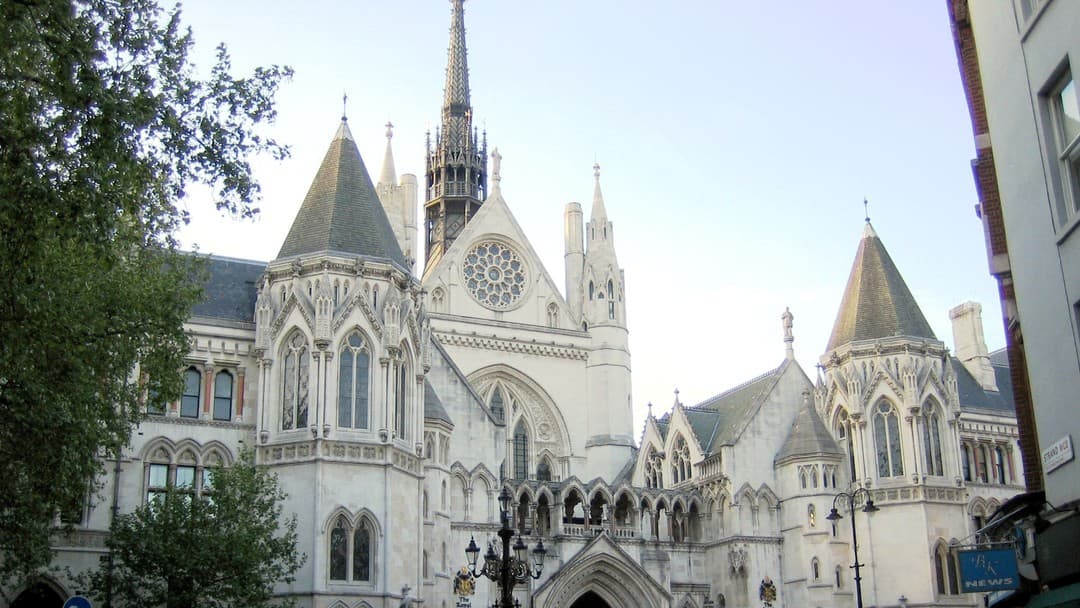
Court of Appeal reinstates the CMA's finding that Pfizer and Flynn abused their dominant position, but wipes out the CAT's retaken decision on procedural fairness grounds.
A drug that has been off patent since the 1970s. An overnight price increase of up to 2,600 per cent. A case that has now produced decisions from the CMA, the Competition Appeal Tribunal and the Court of Appeal twice over. The phenytoin sodium capsules litigation is one of the most protracted competition enforcement sagas in English legal history, and Pfizer Incorporated v Competition and Markets Authority [2026] EWCA Civ 765 does not bring it to an end.
The background is by now well known. In September 2012, Pfizer sold its marketing authorisation for Epanutin, a long-established anti-epilepsy drug, to Flynn Pharma for £1. Flynn debranded the product, withdrew it from the pharmaceutical price regulation scheme and promptly charged the NHS prices that were, in the case of the most widely used pack, up to 2,682 per cent higher than Pfizer had charged immediately before. The price of 100mg capsules rose from £2.21 to £59.53. Annual NHS spend on the drug went from £2.3 million to £50 million in a single year.
The internal documents disclosed during the investigation make uncomfortable reading. Pfizer employees debated the ethics of the strategy, raised concerns about adverse health consequences for patients, and acknowledged the reputational risk of what one described as an opportunity to "fleece the NHS in a time of funding crisis". The solution was to insert Flynn into the supply chain, providing what Pfizer internally described as distance from the price increase, so that Pfizer could deflect criticisms from itself.
The CMA found abuse of dominance in 2016. The Competition Appeal Tribunal upheld the dominance findings on first appeal but sent the case back for more detailed analysis of whether tablets and other anti-epileptic drugs could serve as comparators, and whether phenytoin's medical benefits could justify above-cost pricing. The CMA investigated again and issued a second decision in 2022, again finding abuse, again imposing penalties. Pfizer's was set at £63 million.
On second appeal the CAT accepted, largely without qualification, Pfizer and Flynn's argument that the CMA had been guilty of bias, had wrongly treated any price above a cost-plus floor as automatically unlawful, and had ignored potentially exculpatory evidence. It set aside the CMA's decision as fundamentally flawed, and then exercised its power to retake the decision itself, finding the same abuse by a different route.
The Court of Appeal has now swept away the whole of the CAT's judgement. On the central question, the court found that the CAT fundamentally misconstrued what the CMA had actually done. The claim that the CMA treated any price above cost-plus as automatically unlawful is contradicted by the decision itself, which devotes hundreds of pages to examining whether the evidence justified above-cost pricing. The claim that the CMA assumed the Pfizer-Flynn distribution agreement was an unlawful cartel, when no such finding was made, also does not survive scrutiny: describing an agreement as a mechanism designed to exploit market power and share the proceeds is not the same as treating it as an illegal cartel. On the charge of bias, the court was blunt: a regulator can disagree with evidence, even extensively, without that disagreement constituting confirmation bias.
The CAT's own retaken decision fares no better, though for different reasons. Having found that the CMA's process was so fundamentally infected by bias that no finding of fact could be trusted, the CAT then proceeded to remake the entire abuse decision in the same proceedings without giving Pfizer, Flynn or the CMA a proper opportunity to respond to its provisional reasoning. It introduced a novel "ultimate consumer" test, a hypothetical individual combining characteristics of patient, GP and CCG, as the benchmark for assessing price fairness. It acknowledged it lacked evidence on key points but gave the benefit of the doubt to the undertakings. It applied principles that had not been argued before it. That process was held to be procedurally unfair, and the Court of Appeal was pointed about the implications: a finding of competition law infringement carries quasi-criminal consequences, and the standards of fairness required reflect that.
The practical outcome is that the CMA's 2022 decision is reinstated and penalties totalling over £115 million remain in prospect, subject to any further arguments on that question. The underlying story remains what it always was: Pfizer and Flynn saw an opportunity created by NHS patients' clinical dependence on a particular manufacturer's product, and took it. That the courts have taken this long to say so conclusively is itself a cautionary tale about the cost and complexity of competition enforcement in pharmaceutical markets.
 Copyright & permissions