Patel v HDI Global Specialty: High Court upholds storm damage claim but rejects subsidence allegations
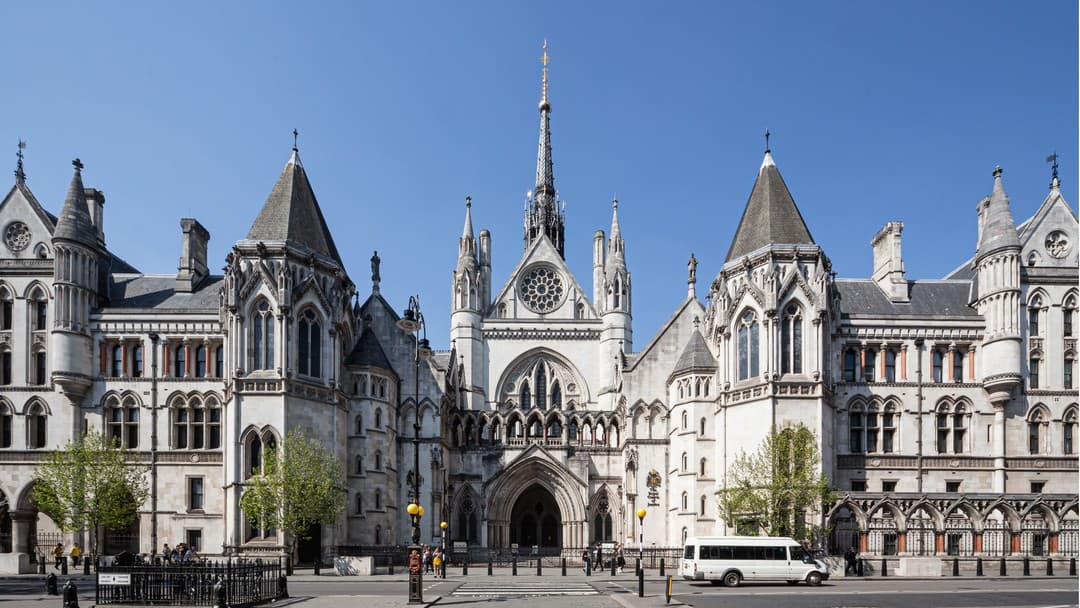
The High Court found storm damage to a property’s front gable but dismissed claims of rear gable damage and subsidence.
The High Court has found that a February 2014 storm damaged the front gable wall of a property insured by HDI Global Specialty SE, but ruled that the claimants failed to prove damage to the rear gable or subsidence during the relevant policy period.
In Shoba Patel and another v HDI Global Specialty SE [2026] EWHC 2602 (KB), Deputy High Court Judge Rory Dunlop KC concluded that the front gable’s lack of structural restraint made it vulnerable to strong winds. However, the evidence did not establish that the other alleged damage was caused by an insured event between 15 October 2013 and 14 October 2014.
The claim concerned a semi-detached house in Slough, owned by the first claimant, Shoba Patel, with the second claimant asserting a beneficial interest. The claimants sought indemnity under a home insurance policy for storm and subsidence damage.
Front gable damage linked to February 2014 storm
The judge found that the storm, which occurred between 14 and 16 February 2014, had caused the front gable wall to tilt forwards. Evidence included reports from roofers and scaffolders who considered the structure dangerous, as well as measurements taken by the claimants’ structural engineering expert, Mr Billingham.
The court accepted that the first recorded observations of the tilt followed the storm and that roof tiles had been found in the front garden. The judge also accepted that wind suction could affect a building in a residential area, even where the prevailing wind direction might suggest otherwise.
A significant factor was the wall’s construction. The experts agreed that the front gable was unrestrained, unlike the rear gable. The judge described the evidence as showing a wall vulnerable to being displaced by storm winds, even if the recorded wind speeds might not have caused a properly maintained gable to fail.
HDI argued that the damage predated the storm, relying in part on a photograph showing apparently rusted nails and a gap in the neighbouring property’s gable. The judge considered the photographs inconclusive, finding that their quality and the evidence about the nails did not reliably establish when the damage occurred.
The claim concerning the rear gable failed. The experts had previously agreed that there was no evidence of storm damage to that wall. Although Mr Billingham later relied on photographs showing a hairline crack, he did not adequately establish that the crack had been caused by the February 2014 storm.
Subsidence claim not established
The court rejected the claimants’ case that subsidence damage had occurred during the policy period.
The soil beneath the property had a plasticity index below 10%, indicating a low risk of significant shrinkage. The judge found no adequate evidence that tree roots, flooding or another relevant cause had produced subsidence during the insured period.
The claimants relied particularly on a sloping lounge floor and a drainage investigation conducted in 2019. The investigation identified displaced pipe joints that might have been leaking. However, it did not establish that a leak existed during the policy period or that any leakage had caused the floor to slope.
The judge also noted the absence of corresponding wall cracking that would ordinarily support a finding of structural movement. Other explanations, including possible timber rot, remained open.
Cracking in the boundary wall was not sufficiently connected to damage during the policy period. The garage cracking was also insufficient to prove subsidence, with HDI’s expert identifying a crack in a ceiling tie as a plausible alternative cause. The claimants’ alternative suggestion of heave following tree removal was not pleaded and did not establish subsidence during the relevant period.
Late amendment refused
The judge also refused the claimants’ application, made at the start of the trial, to increase the pleaded claim from £150,000 to approximately £420,000 and amend the particulars of loss.
The application was extremely late and lacked an adequate explanation. Allowing it risked further delay and additional costs, including an application by HDI to amend its defence. The judge noted that the refusal did not prevent the court from considering whether to award more than the amount stated in the claim form, where justified.
The court was not satisfied that the proceedings should have been automatically struck out over the trial fee. The fee had been paid, and the court’s notice had initially been sent to the wrong recipient. In any event, the judge indicated that relief from sanctions would have been appropriate.
The claim therefore succeeded only in relation to storm damage to the front gable. The judge invited written submissions on the consequential order, with a further short judgement to follow if necessary.
 Copyright & permissions