Next Retail v Thandi: EAT overturns equal pay ruling on basic pay for shop and warehouse staff
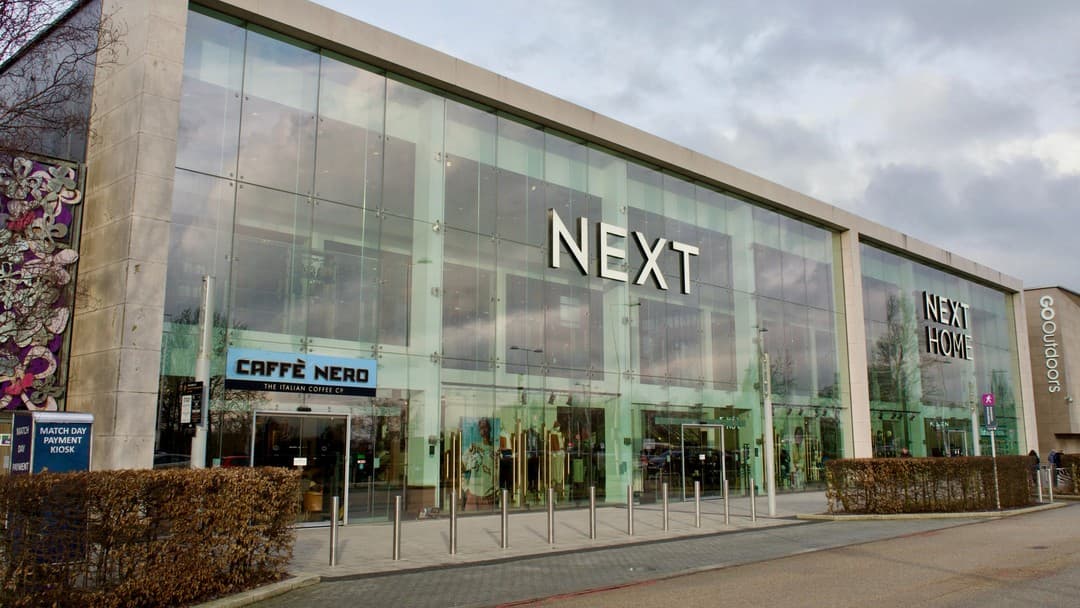
EAT rules Next's warehouse pay rates were justified, overturning tribunal's equal pay finding.
The Employment Appeal Tribunal has partially overturned a landmark equal pay ruling against Next, finding that the retailer was entitled to pay its predominantly male warehouse operatives more than its predominantly female retail sales consultants in basic pay, after the Leeds Employment Tribunal wrongly concluded that Next's reasons for the difference were not legitimate.
Handing down judgement in Next Retail Limited & Anor v M Thandi and Others [2026] EAT 130, Mr Justice Bourne allowed the bulk of Next's appeal while dismissing the claimants' cross-appeal in full. The case was brought by 3,540 retail sales consultants, whose work had already been found of equal value to that of warehouse operatives at Next's Yorkshire distribution centres. The employment tribunal had ruled in 2024 that Next's material factor defence under section 69 of the Equality Act 2010 failed in respect of basic pay and six other pay terms, succeeded for nine terms, and did not arise for a further four where no material difference in treatment was found.
On appeal, Next argued that the tribunal had wrongly characterised its reasons for paying warehouse staff more as amounting to nothing more than cost saving, when in fact higher warehouse pay reflected specific recruitment and retention pressures in that labour market which did not apply to retail roles. The EAT agreed. Applying the Court of Appeal's guidance in Heskett v Secretary of State for Justice on distinguishing a bare desire to save money from a fair characterisation of an employer's aim as a whole, Mr Justice Bourne held that the tribunal had wrongly focused on why retail staff were not paid more, rather than on the genuine business need, unconnected to sex, that explained why warehouse staff were paid more. He found the tribunal had similarly erred in its proportionality analysis by treating reliance on market forces as an impermissible "trump card" requiring an unusually compelling justification, an approach inconsistent with the European Court of Justice's ruling in Enderby v Frenchay Health Authority.
The judgement was not, however, a wholesale victory for Next. The EAT upheld the tribunal's finding that the claimants had established particular disadvantage through statistical evidence of the differing gender profiles of the two workforces, rejecting Next's challenge to that part of the decision. On the individual pay terms beyond basic pay, the outcome was mixed: the EAT overturned adverse findings against Next on unconsolidated union-negotiated payments and long service awards, applying similar reasoning to basic pay, but upheld the tribunal's findings against Next in relation to a change to night-time pay hours and the removal of paid rest breaks for retail staff, where the evidence supported a straightforward cost-cutting rationale. A further term concerning historic Sunday pay premiums was found to have been inadequately reasoned by the tribunal.
The claimants' cross-appeal, which sought a finding of direct discrimination rather than indirect discrimination requiring justification, was dismissed. The EAT found no error in the tribunal's conclusion that Next's decision makers had not consciously or unconsciously been influenced by the sex of the claimant group, rejecting arguments that reliance on market rates should automatically amount to direct discrimination absent specific evidence disproving any gender taint in the market itself, and that the tribunal was entitled to draw inferences from the evidence of Next's HR director despite the absence of evidence from board members.
Further submissions on the practical consequences of the ruling, including remedy, are to follow.
 Copyright & permissions