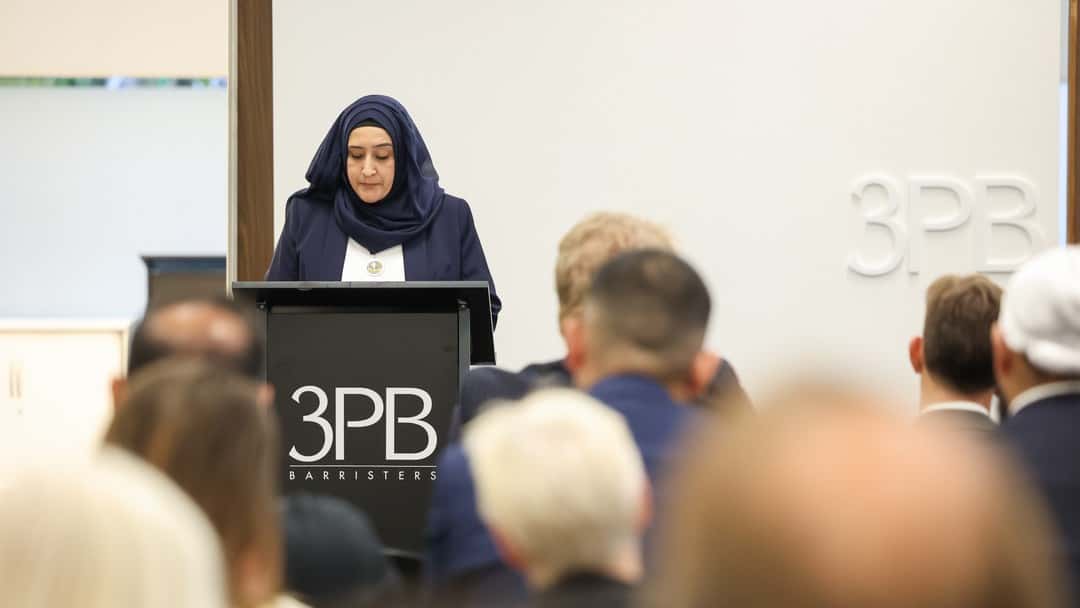
New measures announced to improve prisons

The Lord Chancellor has unveiled measures to combat prison drones, drug use, and enhance employment opportunities for offenders
In a significant move to address ongoing issues within the prison system, the Lord Chancellor Alex Norris announced new measures aimed at tackling prison drones, drug use, and facilitating the employment of offenders. This initiative, revealed on 28 September 2026, is part of broader efforts to diminish crime rates and minimise reoffending among released prisoners. "This package includes the next phase of a £6.5 million UK Research Innovation investment to develop new tools to tackle drones around prisons," said Norris, outlining a comprehensive approach to improve prison security and rehabilitative efforts.
As part of this initiative, technology firms are invited to apply for a share of £900,000 to test potential counter-drone solutions. This comes on the heels of previous investments totalling £35 million to bolster security in high-risk facilities, which has been instrumental in addressing the 1,497 recorded drone incidents in prisons in England and Wales as of March 2026.
In addition, the expansion of drug recovery units to another 12 prisons, resulting in a total of 100 such units, signifies the government's commitment to help offenders combat substance abuse that often underpins criminal behaviour. These Incentivised Substance-Free Living units allow prisoners to commit to a drug-free lifestyle, offering a structured environment focused on recovery and support.
An integral component of the Lord Chancellor's plan is the introduction of the Future Skills Programme, designed to create a direct link between training within prisons and employment opportunities in the construction sector. "Evidence shows ex-prisoners with a job are up to nine percentage points less likely to reoffend," Norris highlighted, underscoring the importance of job readiness for reducing recidivism. Approximately 750 prisoners are expected to benefit from this training programme that aligns skills development with market demand.
To further enhance community integration, the government is prioritising visible Community Payback projects, empowering local residents to nominate valuable contributions such as graffiti removal and litter picking. This initiative is coupled with plans to train supervisors as NVQ assessors, enabling offenders to gain nationally recognised qualifications through their community service, thereby improving their employability upon release.
Lastly, a new digital platform, Find and Manage Accommodation, will simplify the process for prison and probation staff to secure stable accommodation for offenders. The correlation between housing stability and reduced reoffending is crucial, given that recent statistics indicated that offenders without accommodation upon release experienced nearly double the reoffending rates of those who were housed.
Overall, these comprehensive measures signify a commitment to enhance the safety and effectiveness of the prison system while fostering rehabilitation and reintegration into society for offenders.
 Copyright & permissions