New funerary methods receive legal framework
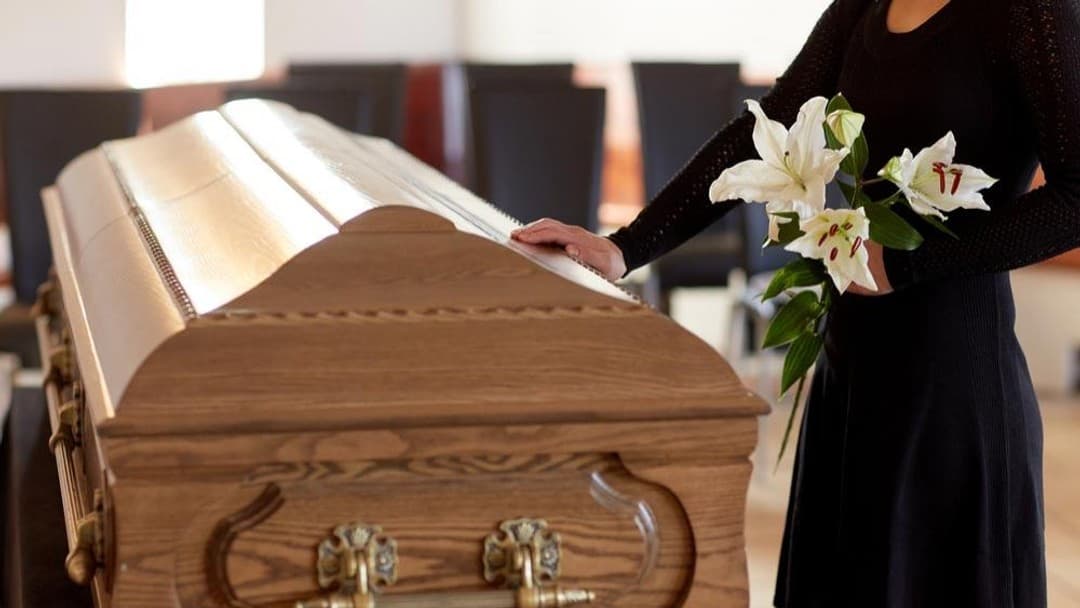
People in England and Wales are set to gain new body disposal options after a Law Commission report, published today, recommends a legal framework for emerging funerary methods
Currently, only burial, cremation, and burial at sea are recognised, while innovative methods like alkaline hydrolysis, often termed "water cremation", and human composting lack any official guidelines. The report advocates for new primary legislation that empowers the Government to approve and regulate these new methods as they arise. It proposes a flexible framework emphasising three core principles: protection of the environment, protection of public health and safety, and respect for human dignity.
Commissioner for Public Law, Professor Alison Young said "Everyone deserves the right to have their wishes respected after death, and those who love them deserve confidence that the law will protect that." The recommendations include robust safeguards, where using an unapproved method would be criminal, and each new method would undergo enhanced parliamentary scrutiny. With 124 public responses contributing to this report, which supplements a broader project on burial and cremation law, other recommendations include allowing controlled trials with prior consent, requiring registration and inspection of new methods, and suggesting the criminalisation of false statements to obtain such methods. Two draft Bills for England and Wales accompany the report to provide practical legal effect to its recommendations, establishing a modern and adaptable framework for regulating new funerary methods.
 Copyright & permissions


.png&w=3840&q=60)


.jpg&w=3840&q=60)