New courts aim to reduce reoffending
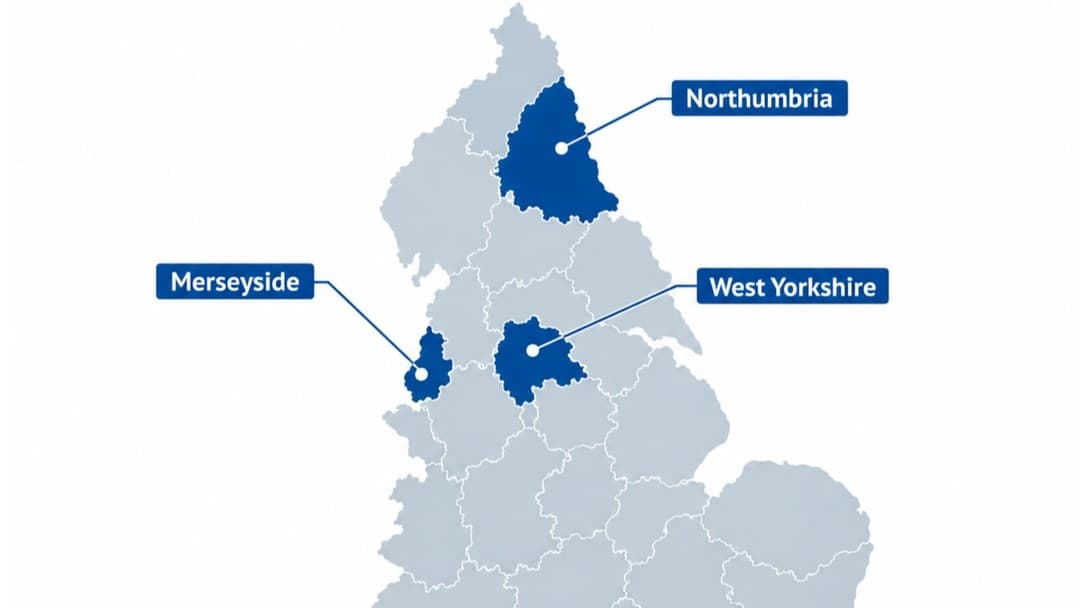
Hundreds of vulnerable women in the North of England will receive essential support through new Intensive Supervision Courts aimed at tackling addiction and trauma
In a significant move to combat reoffending rates among women, the UK government has launched three new Intensive Supervision Courts (ISCs) in West Yorkshire, Merseyside, and Northumbria. These courts are designed to address the underlying issues driving women's criminal behaviour, such as trauma and addiction. By doing so, the initiative aims to provide vulnerable women with tailored support, ultimately breaking the cycle of reoffending for good.
First introduced in 2023, the ISC model is now being expanded to facilitate the rehabilitation of women who might otherwise face incarceration. The primary focus is on low-level offenders, allowing them to confront their issues directly instead of serving time in prison, which is reserved for those presenting a higher risk to public safety. "I’ve seen too many cases where horrendous domestic abuse and subsequent addiction has led women to a life of crime which can feel impossible to escape alone," noted Catherine McKinnell, Minister for Prisons, Probation and Reducing Reoffending.
The courts implement a novel approach where judges take a central role in the rehabilitation process, overseeing an individual's progress through stricter supervision and support mechanisms. This may include electronic tagging and engagement with various treatment services aimed at dealing with drug or alcohol dependency and addressing traumatic experiences. Studies in the US have demonstrated that similar models of problem-solving courts can reduce reoffending rates by up to a third.
The UK government has recently committed to decreasing the number of women in custody, particularly focusing on mothers with young children, as part of comprehensive criminal justice reforms. “Most of these women want to contribute to the community, and they deserve support breaking the relentless cycle they’re in," McKinnell further explained regarding the motivation behind these courts. "These courts combine firm punishment with the support women need to stop offending for good."
Birmingham's ISC has already showcased the potential of such courts, having helped hundreds of women over the past year. One success story, 26-year-old Geraldine Owen, expressed gratitude for this opportunity, stating, "Going through the ISC has saved my life; I’ve made my way to my own truth."
With statistics indicating that more than two-thirds of incarcerated women are victims of domestic abuse and approximately 55% struggle with drug dependency, the need for specialized support has never been greater. Suzanne Smith, Head of Women’s Justice at the Centre for Justice Innovation, affirms the benefits of these courts, remarking on their ability to bring together judicial authority and specialist services.
An independent evaluation supports these assertions, showing improved wellbeing, strengthened family relationships, and a reduction in substance use among women participating in the ISCs. The Centre for Justice Innovation has been a key supporter of this initiative, even providing training to the judges and teams operating in the new courts.
In tandem with the ISC initiative, the government is investing £32 million into local women's centres and charities aimed at providing crucial support that diverts women from both the prison system and reoffending altogether. These organizations assist women in overcoming addiction, securing employment, and finding safe housing, crucial steps in their journeys towards recovery.
Furthermore, the government is poised to increase probation funding by up to £700 million by 2028/29, which includes the recruitment of at least 1,300 additional probation officers in the upcoming year. With these comprehensive strategies and dedicated courts, the hope is to offer women the resources they need to lead fulfilling lives free from crime.
 Copyright & permissions
-cropped-a0w29ejw.jpg&w=3840&q=60)










.jpg&w=3840&q=60)