
New ASB powers exclude private renters
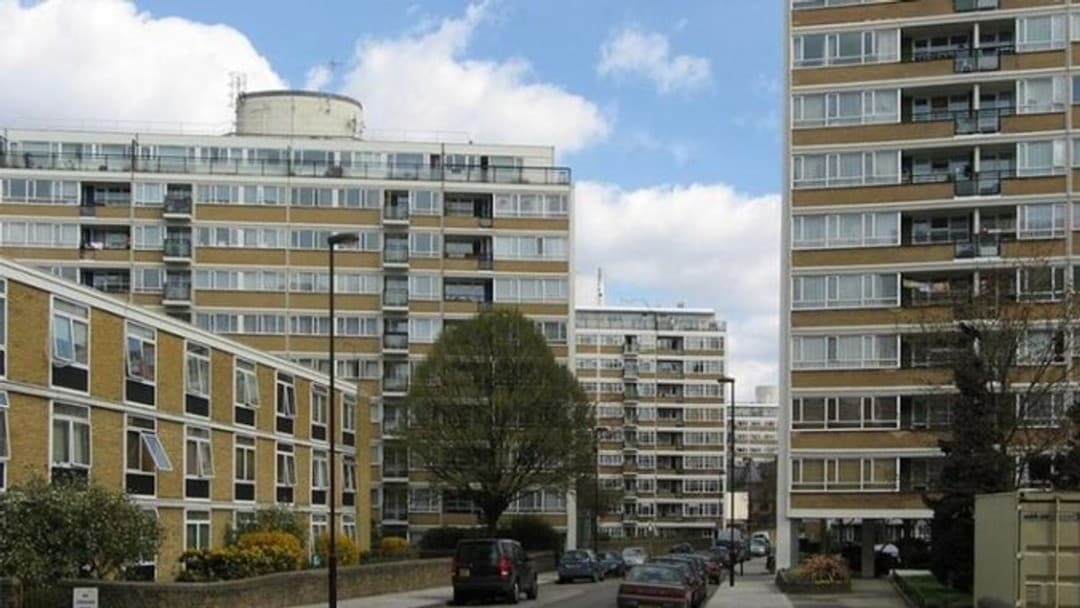
Private tenants are left unable to access crucial anti-social behaviour powers introduced on 26th October 2026
Private renters in England and Wales are feeling neglected as new anti-social behaviour (ASB) powers meant to tackle intimidation and disturbance do not extend to them, according to Jeffrey Zitron, a housing barrister at The Barrister Group Chambers. The Crime and Policing Act 2026, which came into effect on 26th October, established Housing Injunctions, Respect Orders, and Youth Injunctions targeted at 10 to 18-year-olds, but these measures are only available to social landlords such as housing associations and local councils.
The concern arises from alarming statistics that indicate a high prevalence of ASB. Research by YouGov for Resolve, in collaboration with the West Midlands Housing Association Partnership, revealed that 28% of respondents feel unsafe due to ASB in their areas, and 41% believe the issue has worsened over the past three years. Moreover, findings from the Government's 2022 Social Housing Residents Survey demonstrated that 26% of social housing residents had experienced ASB in the previous year.
Zitron remarked on the situation, stating, "Recent research paints a shocking picture of how anti-social behaviour blights residents' lives and strains overstretched landlords.” The absence of legal recourse for private renters facing intimidation means their only option is to rely on the intervention of councils or police, which can be daunting given the burdens they may bear.
The newly introduced Housing Injunctions aim to address "housing-related anti-social conduct," a term that encompasses acts that may cause nuisance or annoyance, not merely to fellow tenants but also towards housing management personnel and others involved in the operation of the property. Respect Orders serve as a replacement for previous adult ASB injunctions, marking any breaches as a criminal offence, whereas Housing Injunctions resort to committal proceedings for enforcement.
According to Zitron, “There would seem no bar, and every reason in many cases, to apply for both.” The implication suggests that a collaborative approach maximizes the efficacy of these orders for social landlords. He reflects on years of experience dealing with housing issues, saying, “I spent more than 40 years in housing before coming to the Bar, and intimidation was always the hardest thing to deal with.”
Private renters must advocate for ASB injunctions through their local council or police, and often, those entities are overburdened. Zitron pointed out that landlords of problematic tenants usually rely on discretionary possession grounds under the Housing Act 1988. While a breach of a Respect Order can enhance mandatory action, private renters are at a disadvantage, lacking direct access to the court system for these new orders.
He advised, “If you rent privately and your neighbour is making your life a misery, you can't go to court for one of these orders yourself.” Instead, he suggests maintaining meticulous records of incidents to build a compelling case for the local authorities. Zitron concluded, “The new Act provides a welcome addition to the tools available to landlords and their legal advisers. Now it is up to the legal profession to help landlords use them.”
 Copyright & permissions