Monk v Cape Intermediate Holdings: High Court upholds eight-day trial estimate in landmark asbestos product liability claims
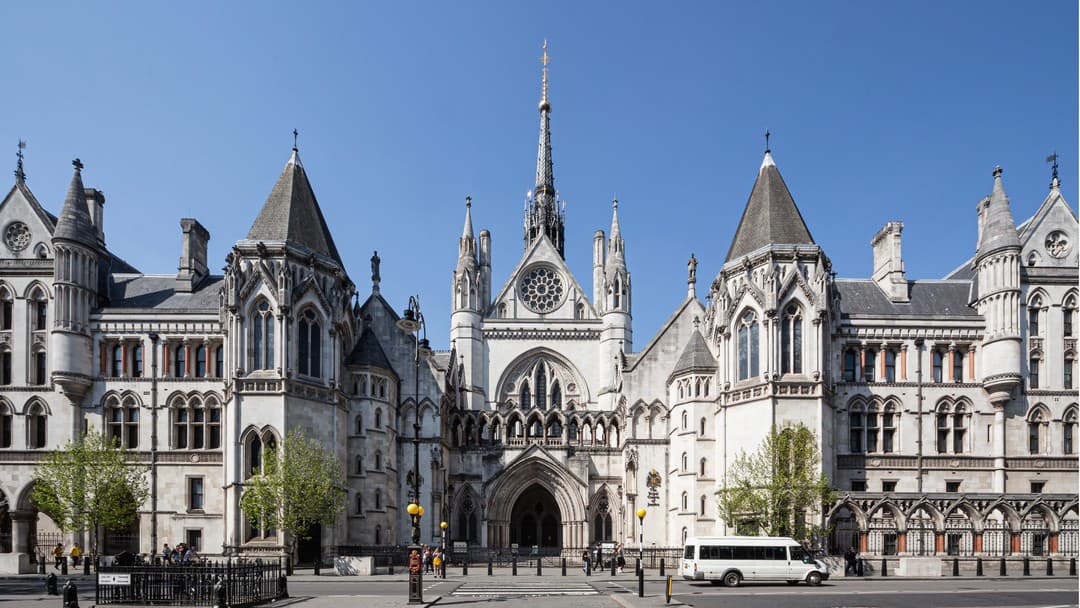
A High Court judge has dismissed an appeal against a case management order setting an eight-day trial in novel asbestos product liability claims.
Mr Justice Cotter has refused to overturn a trial length order made by Master Eastman in a series of fatal asbestos claims against Cape Intermediate Holdings Limited and Cape Building Products Limited, granting permission to appeal but dismissing the substantive grounds advanced.
The proceedings, issued in July 2025, concern five claimants (formerly six, following one settlement) who allege that the defendants negligently manufactured and sold Asbestolux, a proprietary asbestos insulation board. The deceased worked in the building and allied trades between 1964 and 1983, all subsequently developing pleural mesothelioma. Claims of this nature are described in the judgment as deliberately brought against the manufacturer as a last resort, following the inability to identify any employer's liability insurer.
The case is noteworthy as the first of its kind in the Asbestos List: a product liability claim against an asbestos manufacturer rather than a former employer. Leading counsel for the claimants described the proceedings at an earlier hearing as "certainly not bog standard mesothelioma claims."
The dispute over trial length
The central controversy arose from starkly divergent estimates: the claimants sought 15 days, the defendants proposed five. Master Eastman, describing the 15-day figure as "ridiculous," settled on eight days, allocated across lay witness evidence (two days), expert evidence (three days), and submissions (three days), with no provision for judicial pre-reading within the trial timetable.
On appeal, Harry Steinberg KC argued that the Master had committed a fundamental error by assuming the issues in dispute would narrow significantly before trial and by failing to engage adequately with the pleadings. Particular reliance was placed on the so-called "Concept 70" litigation in 2017, a six-week trial before Picken J involving structurally similar product liability allegations against Cape which settled before judgement. The only other comparable case, Wormleighton, had been listed for a ten-day preliminary issue hearing.
Jayne Adams KC, for the defendants, maintained that the Master's decision fell squarely within his wide discretionary powers and that Concept 70 was not analogous, that case having concerned indemnity disputes between insurers rather than direct liability to the injured.
The court's reasoning
Cotter J applied the well-established threshold from Royal Sun Alliance v T&N [2002], which requires an appellate court to refrain from interfering with a case management decision unless it falls outside "the generous ambit of the discretion entrusted to the judge." Applying that standard, he concluded that Master Eastman had not erred. The Master's experience in the Asbestos List entitled him to assume that expert issues would narrow in light of the extensive body of decided authority on exposure levels, product composition, and date of knowledge, particularly given that all exposures post-dated the mid-1960s.
On pre-reading, the judge distinguished between the Commercial Court Guide's requirements and King's Bench practice, noting that the Master had not excluded pre-reading time altogether but had left it to be addressed at a later stage, whether at a pre-trial review or through pre-trial correspondence.
One departure from the Master's order was, however, indicated. Given the volume of documentation disclosed (103 documents running to several thousand pages), the scope of unresolved issues, and the complexity of the liability questions, Cotter J directed that a pre-trial review should be held, at which consideration can be given to separating quantum from liability issues.
The trial is currently listed for 8th March 2027.
 Copyright & permissions










.jpg&w=3840&q=60)