Mock trial enhances understanding of litigation
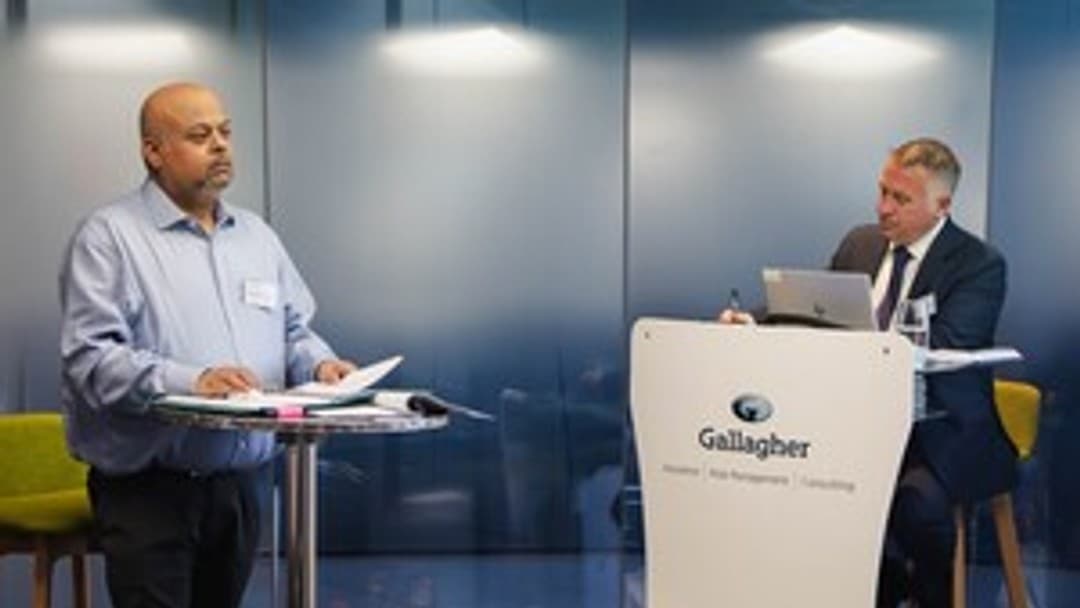
CNC's recent mock civil trial programme offered officers insights into court proceedings and legal decision-making
The Civil Nuclear Constabulary (CNC) has successfully hosted a mock civil trial aimed at enhancing officers' understanding of the complexities of the legal system, particularly in relation to police decision-making following road traffic collisions. Delivered by CNC’s Legal Services team in collaboration with Strata Solicitors and Farrar’s Building Chambers, this exercise replayed civil court proceedings, giving participants practical insight into how compensation claims are evaluated and how various forms of evidence can influence judicial outcomes.
The event attracted a diverse group of professionals including members of the Operational Driver Training Unit, Health and Safety representatives, Chief Inspectors from various sites across England, and representatives from public transport organisations and Royal Mail. Participants had the opportunity to observe how documentary, oral, and video evidence is presented and scrutinised in a courtroom setting. As one delegate noted, "The exercise provided a unique perspective on how witness testimonies are tested to ascertain the facts of a case," significantly enhancing their grasp of the legal processes that follow serious incidents.
The session also addressed recent legal developments impacting policing, notably the police's duty to protect individuals from risks they have not essentially caused or contributed to. Attendees gained valuable insights into the necessity of equipping officers with appropriate training, enabling them to conduct effective dynamic risk assessments in rapidly evolving operational contexts.
Concluding the event, a question-and-answer session with barristers allowed participants to delve deeper into emerging legal challenges pertinent to policing. This mock trial exemplifies the CNC’s commitment to ongoing professional development, facilitating the growth of legal knowledge and confidence among officers to support lawful, proportionate, and evidence-based decision-making in their roles.
 Copyright & permissions