Law Society poll reveals Nationality and Borders Bill at odds with voters' views on asylum seekers
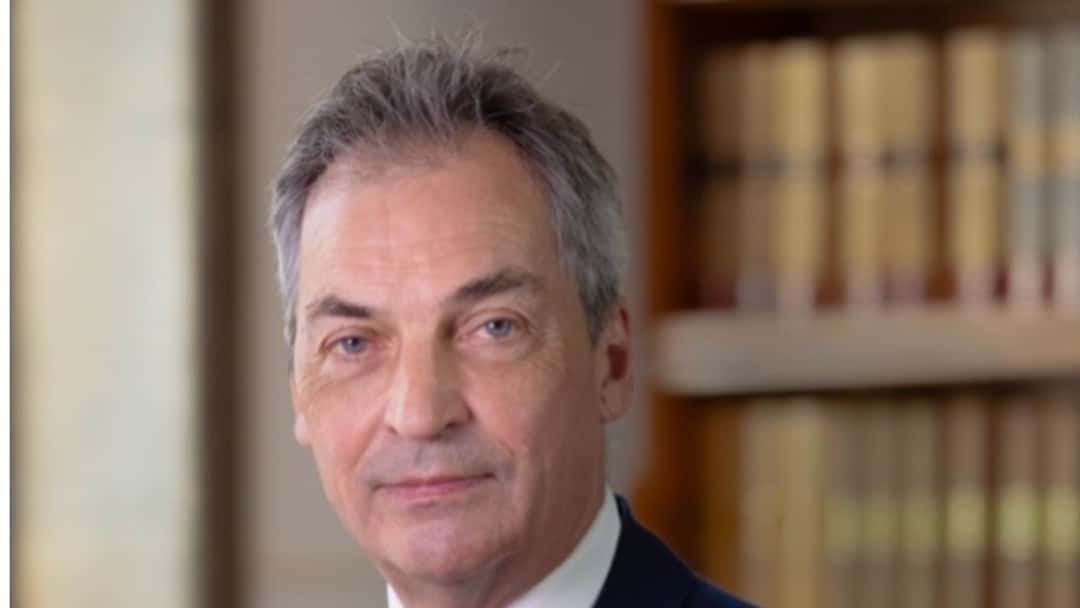
Hugh Preston QC shared his personal experience on BBC Radio 2 of some practical challenges presented by the Homes for Ukraine scheme
An opinion poll conducted by the Law Society has shown a clear majority of people in the UK reject the rationale underpinning the Nationality and Borders Bill, which the Law Society says “singles out” those forced to take a clandestine route to safety.
Under Bill, refugees who make their own way to the UK would be given only temporary protection, with very few rights to work, receive support or healthcare. In contrast, refugees who are able to apply for asylum before travelling to the UK would receive the full extent of support available. However, it is currently very difficult for people to apply for asylum before arriving in the UK.
On Friday (18 March), the government opened the first phase of its plan to help Ukrainian refugees coming to the UK, ‘Homes for Ukraine’. The scheme is designed to pair up households in the UK who can offer Ukrainian citizens a home.
The scheme has been popular, with around 100,000 British households reportedly signing up on the first day. However, there have already been complaints of the visa application process being onerous and challenging in already difficult circumstances, with an overwhelming amount of bureaucracy involved.
Anyone in the UK can apply to host a Ukrainian family. In the first phase, the UK sponsor is required to provide the name of the Ukrainian family they wish to sponsor. Speaking on BBC Radio 2 today (22 March), 7BR’s Hugh Preston QC discussed the practical challenges he had experienced while helping Ukrainian individuals obtain refugee status in the UK.
Preston said his family had applied to offer a home to Ukrainian refugees. He explained that copies of refugees’ passports, birth certificates and proof of residency must be submitted in a pdf format to a separate server.
He said if mothers do not have copies of birth certificates for their children, they are asked if there is a “good reason” why they are unable to provide them. Preston said this was a cause of concern for many refugees. As is quite common, many babies and small children do not have passports, particularly in the Ukraine where there are two types of passport, Preston explained.
If refugees are unable to provide evidence in the form of a birth certificate or passport for their children, Preston said they are required to make an appointment at a centre in Poland to have their children’s identity checked regardless of where they are currently located. Preston used the example of refugees located in a refugee centre in Romania being required to travel to Poland to have an appointment there before they can even start the visa application process.
Another practical challenge being faced by refugees is that all questionnaires related to the visa application process are in English. Preston explained that sponsors may complete forms on behalf of the refugees, but this is time consuming and challenging. He suggested a Ukrainian language version may be a sensible solution to this problem.
While it appears the UK people are willing to support individuals in obtaining refugee status, it seems the government is making the process challenging through both legislation and practical process.
 Copyright & permissions
.jpg&w=3840&q=60)

-cropped-6au25meu.jpg&w=3840&q=60)



.JPEG&w=3840&q=60)