Law Commission proposes reforms for grave reuse
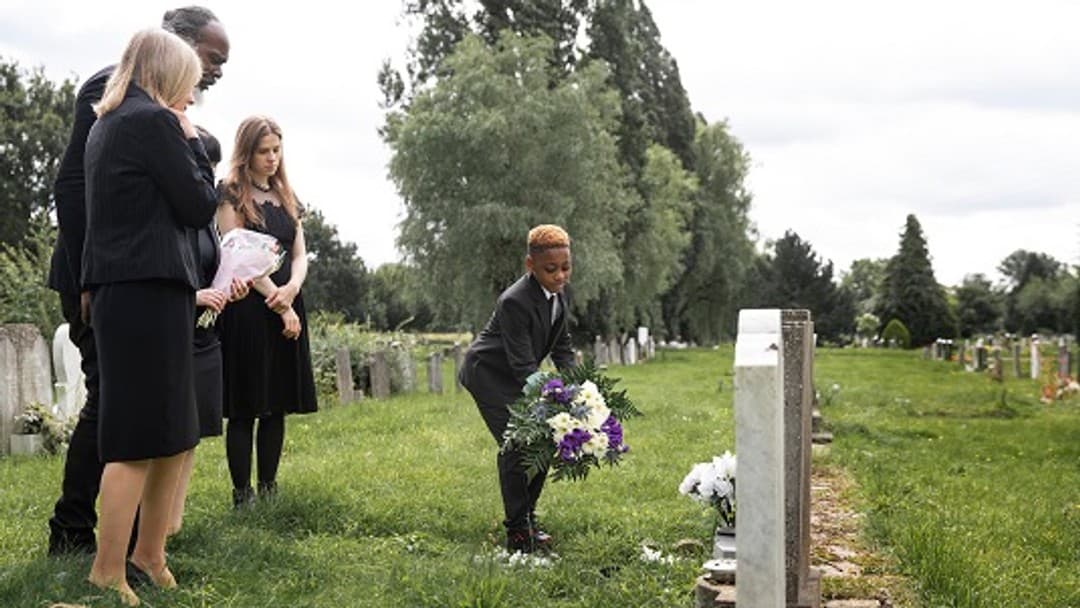
The Law Commission's recommendations aim to modernise burial and cremation laws, enhancing protections for families
Proposals published by the Law Commission today would allow the reuse of graves over a century old across more burial grounds in England and Wales. Currently, grave reuse is allowed in London council cemeteries and Church of England churchyards, but the new reforms will extend these powers to additional cemeteries, contingent upon Government approval after local consultations. The final report follows a public consultation in 2024/25 and seeks to modernise laws that have remained largely unchanged for over 170 years, addressing a growing shortage of burial space while ensuring robust safeguards for grieving families.
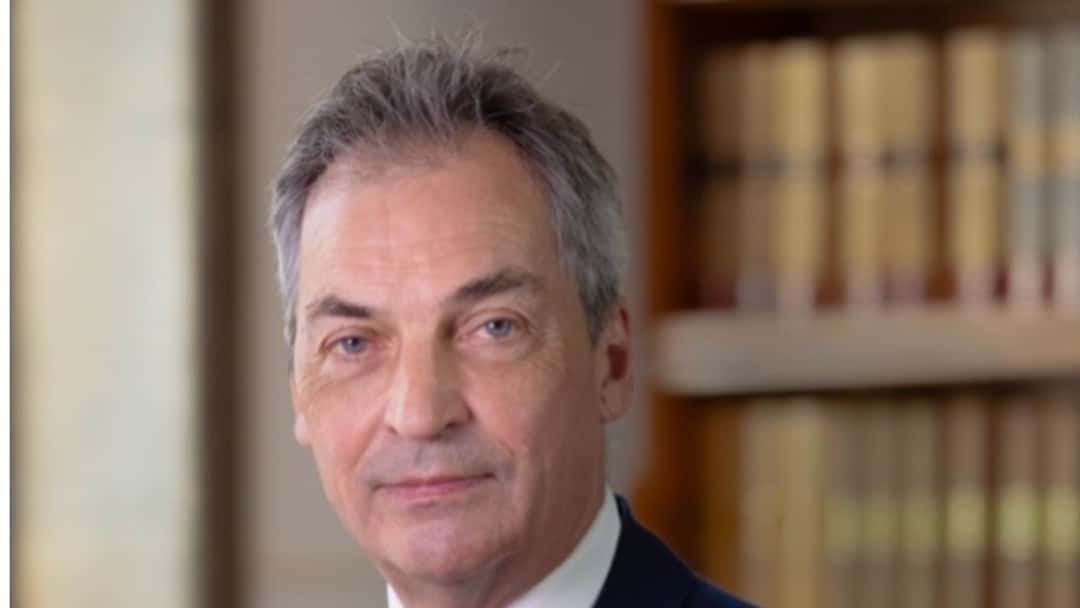
The report contains several significant recommendations aimed at enhancing the way cemeteries and crematoria operate. These changes are expected to provide bereaved families with clearer rights and comprehensive protections regarding their relatives' graves. According to Commissioner for Property, Family and Trust Law, Professor Lisa Webley, “Our proposals would modernise and simplify burial and cremation law in England and Wales, and provide clearer, more consistent safeguards for bereaved families and friends." The recommendations also aim to respond to modern challenges, such as the shortage of burial space and the complications posed by outdated Victorian-era legislation.
The issue of reusing old graves is particularly sensitive, which is why the Commission advocates for two levels of strict safeguards. Firstly, burial ground operators would need to consult locally before applying for reuse powers from the Government. Secondly, enhanced protections would be enforced prior to any grave being reused. Notably, the new proposal states that "no grave can be reused until 100 years after the last burial," a marked increase from the current 75-year requirement. Additionally, relatives are granted a year to object to the reuse, a change from the previous six-month period, and an objection would prevent reuse for a further 25 years.
The report’s recommendations also aim to bolster protections for individuals laying to rest their loved ones. For the first time, consistent rules will be established regarding burial methods, including a mandate of two feet of soil above the coffin—a standard already practised in many burial grounds. Other recommendations include maintenance obligations for private cemeteries, regularisation of how grave rights are issued, and stricter record-keeping for burial records. Furthermore, it suggests that centuries-old burial grounds, previously closed under Victorian laws, could be reopened for burials, and also looks to update regulations concerning burials on private land and exhumations.
In addition to reforms related to burial, the report addresses cremation reforms due to the increasing number of unclaimed ashes—currently held by funeral directors. The Commission proposes that funeral directors should be allowed to return uncollected ashes to crematoria, ensuring that the person responsible for the cremation has the opportunity to collect them. Further recommendations include ensuring transparency surrounding direct cremation, preventing unidentified remains from being cremated, and introducing stringent identity checks to ensure that the correct body is cremated.
The Government will now examine these recommendations to determine whether to proceed with changes to the law, and a subsequent report on new funerary methods is expected to follow shortly.
 Copyright & permissions
.jpg&w=3840&q=60)

-cropped-6au25meu.jpg&w=3840&q=60)



.JPEG&w=3840&q=60)