Khan v David: High Court makes final charging order and third party debt order over $14.9m US judgement
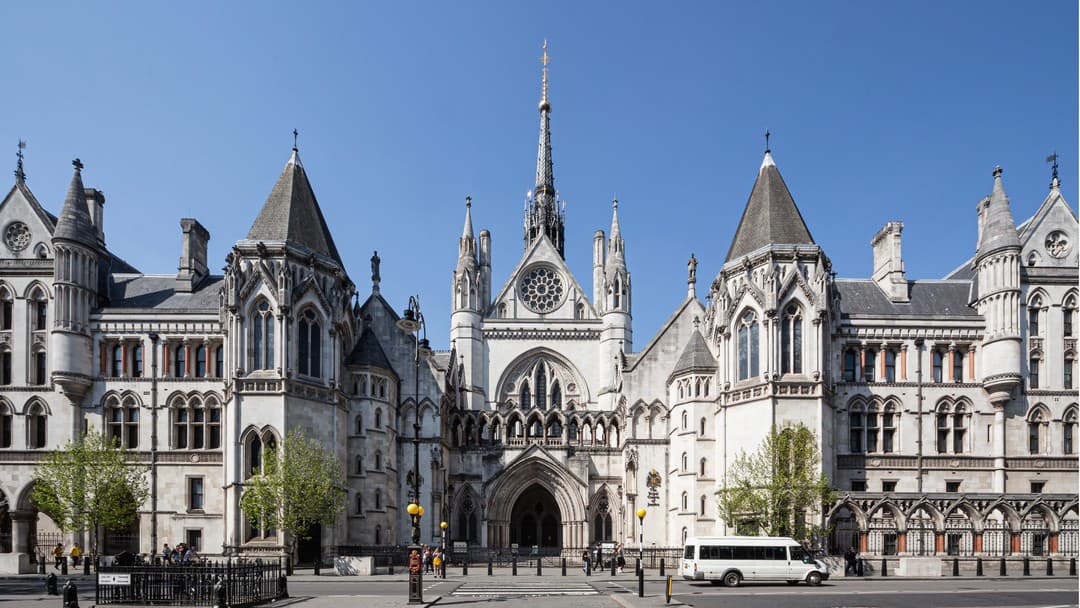
Senior Master Cook makes final charging and third party debt orders enforcing US judgement.
The High Court has made final orders securing a US judgement worth more than $14.9m, rejecting objections from a defendant who never applied to set aside the English default judgement.
In Khan v David [2026] EWHC 2554 (KB), Senior Master Cook granted a final charging order, securing the judgement sum, over a London property and a final third party debt order over a Revolut account.
Background
Mahim Khan is enforcing in England a California judgement dated 21 January 2020. Default judgement here fixed the sum at $14,913,777.61 plus £10,140 in costs. Alkivides David, also known as Alki David, had failed to appeal the US judgement and never sought to set aside the English one.
Mr David was later found in contempt for breaching disclosure obligations in freezing and receivership orders, and Stacey J ordered him to pay a further £80,000 in costs. Foxton LJ refused permission to appeal, saying foreign proceedings were irrelevant to a committal application.
After receiving more than 130 emails from Mr David, many abusive or threatening, the Senior Master stayed proceedings pending a psychiatric report. It found he had capacity but needed reasonable adjustments, so both applications were decided on paper.
Charging order
Jurisdiction was not in doubt, as the beneficial interests in the property are interests in land under section 2 of the Charging Orders Act 1979. That left only the discretion under section 1(5). Mr David's position was inconsistent, seeking refusal in one skeleton argument and not opposing an order in the next.
Dorsey & Whitney Trust Company LLC, which claims prior equitable charges over the property, did not oppose the order but sought a recital acknowledging its priority and 28 days' notice of any sale application.
Mr David argued that no order should be made while those charges were disputed, that the property was his only home, and that his disability weighed against an order. The Senior Master rejected each point. Priority is irrelevant to whether an order should be made, and the only-home claim was unsupported by evidence. Residence and disability could in any event be weighed on a later sale application.
The recital was otiose because the claimant had already accepted the trustee's priority. The trustee had no entitlement to notice and, having rejected an offer of seven days, would simply be served with any sale application. A final charging order was made in the claimant's draft form.
Third party debt order
The second order secures the £80,000 costs award against a Revolut balance of £54,691.27. The court must be satisfied that a debt is due, that the third party and the debt are within the jurisdiction, and that an order is right or just.
Mr David challenged the precise debt, its situs and the absence of proof that no one else had a claim to the balance. As Revolut is incorporated in England and its terms are governed by English law, with disputes confined to the English courts, the debt was situated in England, applying Hardy Exploration v India.
The suggestion that the claimant must disprove competing claims was wrong. A claimant need only identify known claimants in the application notice, while the debtor and bank must file evidence under CPR 72.8(2) if they know of others. Neither did, and a final order was made.
Jamil Mustafa, instructed by Howard Kennedy, appeared for the claimant. Mr David appeared in person.
 Copyright & permissions