Jury says prison failures led to death
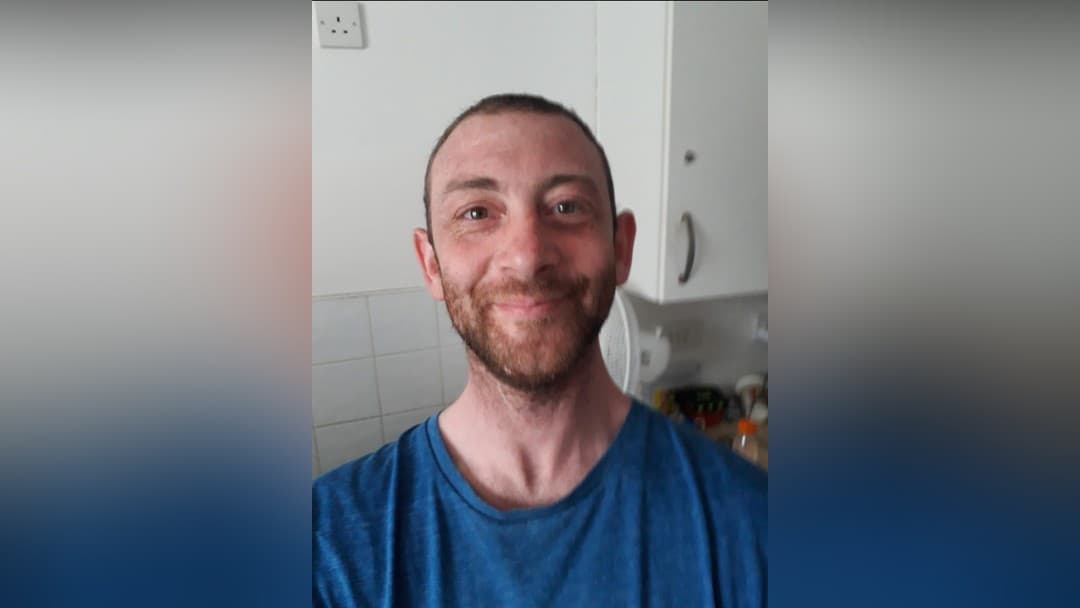
An inquest revealed critical failures in responding to Craig Gibbs' suicide risk likely contributed to his death in custody
The tragic inquest into the death of 33-year-old Craig Gibbs at HMP Exeter has revealed significant shortcomings in the way staff managed his escalating risk of self-harm and suicide. The jury concluded that a crucial multi-disciplinary review of Craig's risk should have been conducted on the day he died, 26 October 2022, and that the failure to conduct this review probably played a substantial role in his death. Additionally, the jury noted that a failure to increase Craig's observations by prison staff on that day may have also contributed to his death.
Craig, who had complex needs including ADHD, autism spectrum disorder, PTSD, and a history of self-harm, was under the prison’s Assessment, Care in Custody and Teamwork (ACCT) process. He began receiving support on 1 October 2022, a month before his death. The inquest highlighted that despite this, Craig repeatedly self-harmed and expressed suicidal thoughts, which were not adequately recorded or shared among the staff.
On the day of his death, he reportedly informed healthcare staff that he was feeling increasingly hopeless and had attempted suicide the previous night. Despite this alarming disclosure, his observation level was not raised, nor was his cell searched for means of self-harm. Evidence presented at the inquest showed that several points of potential self-harm were found in his cell after his death.
Lisa Gibbs, Craig's sister, expressed her grief and dissatisfaction with the prison system's failure to support her brother during his vulnerable moments. She remarked, “Craig was so much more than the circumstances of his death. He was a much-loved brother, son, and member of our family.” She highlighted the distress their family has endured over the years and emphasised the need for systemic change within prisons to protect vulnerable individuals.
Human rights solicitor Benjamin Burrows echoed these concerns, stating that the evidence presented had shed light on significant issues in how Craig’s needs were handled, which had been highlighted in previous cases at HMP Exeter. He reiterated the hope that the findings from this inquest would lead to meaningful changes, ensuring that other inmates did not face similar failures in care.
The inquest, held from 1 to 15 September 2026, sought to address whether the state had failed in its duty to protect Craig’s right to life, focusing on the management of his mental health during the seven-week period he spent in custody prior to his demise.
 Copyright & permissions







.jpg&w=3840&q=60)