Judicial pay review enters final stages
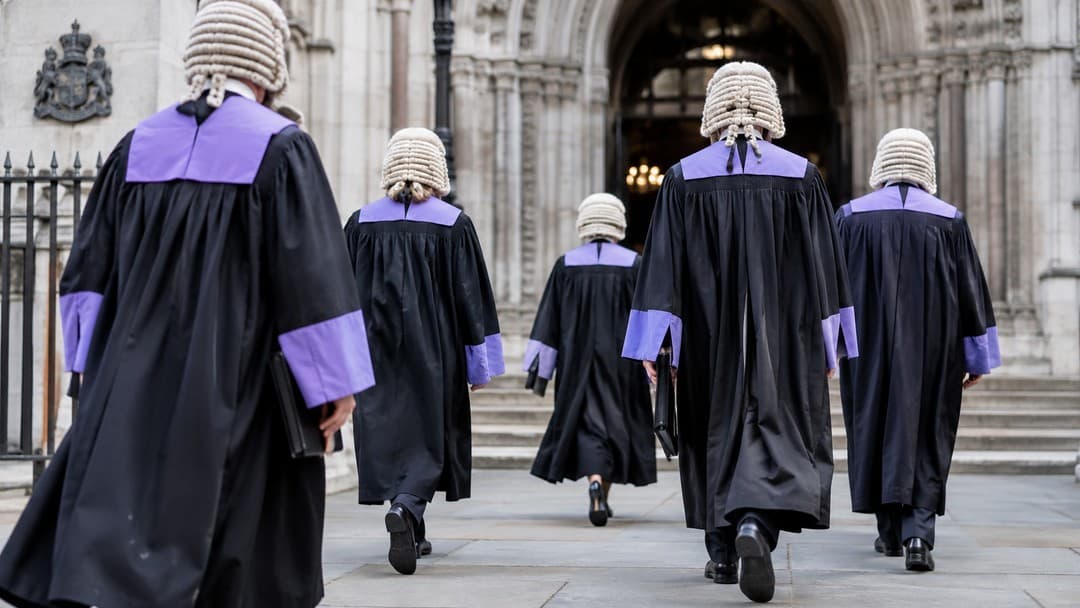
SSRB expects to submit judicial pay recommendations to the Ministry of Justice in December 2026
The review of judicial salaries has entered its final stages, with recommendations expected to be submitted to the Ministry of Justice in December 2026.
Mark Emerton, chair of the Judicial Sub-Committee of the Senior Salaries Review Body (SSRB), said the committee was now bringing together the evidence gathered during an extensive programme of engagement with judges, judicial associations and other stakeholders.
In an update to the judiciary, Emerton confirmed that the second and final phase of engagement had been completed, following a programme designed to examine specific issues in greater depth, test emerging analysis and address gaps in the evidence.
The latest phase included smaller focus groups with members of the judiciary, roundtable discussions with judicial associations across the UK and oral evidence sessions. It built on the first phase of the review, which included written submissions, a call for evidence and visits to courts and tribunals in England, Wales, Scotland and Northern Ireland.
Most of the engagement programme concluded at the end of July, with a postponed oral evidence session with the new Lord Chancellor held in early September. This completed the formal evidence-gathering process.
Emerton thanked salaried and fee-paid judicial office holders, judicial leaders, representative bodies and other contributors, saying their participation had significantly strengthened the evidence available to the review.
Research examines judicial recruitment and retention
Over the summer, the committee and its secretariat analysed the evidence and data collected throughout the review, alongside findings from independent research commissioned to support its work.
The research has examined several key themes, including the attractiveness of judicial office, earnings potential and leadership. These issues are central to understanding the challenges facing the judiciary and the factors that may influence recruitment and retention.
The review's Advisory and Evidence Group held its final meeting on 23 September. At that meeting, the SSRB presented emerging findings from the remaining strands of evidence, including the commissioned research and a thematic analysis of responses to the call for evidence questionnaire launched in 2025.
Members of the group were able to provide final observations, drawing on perspectives from across the UK judiciary.
The committee will now consider the full body of evidence, develop and test potential options, and determine its final conclusions and recommendations. A programme of targeted engagement with senior stakeholders is also planned for the autumn to test the emerging proposals and explain the rationale behind the committee's developing conclusions.
Recommendations expected next year
The SSRB expects to finalise its advice and complete drafting of the review in December 2026, before submitting it to the Ministry of Justice.
Subject to government consideration, the review is expected to be published alongside the SSRB's annual report in spring 2027.
Emerton acknowledged the considerable interest among judges in the outcome, saying the update was intended to reassure the judiciary that the review remained on track and that the evidence provided was receiving careful consideration.
He said he would write to the judiciary again once the report had been submitted and asked that the update be shared with salaried and fee-paid colleagues. A copy will also be published on the Office for the Pay Review Bodies' website.
The recommendations could have significant implications for the future structure of judicial remuneration, although the final conclusions and any proposed changes will not be known until the review is completed and considered by the government.
 Copyright & permissions