Is the French political and judicial system in crisis?
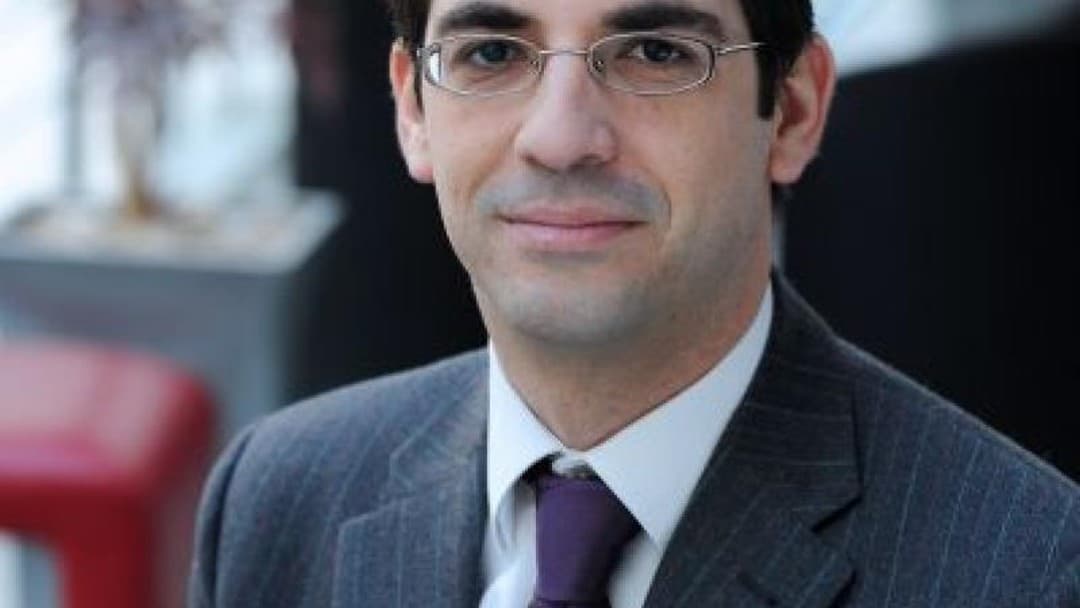
The news that the former French president, Nicolas Sarkozy, was taken into custody and interrogated for 16 hours has sent shockwaves down the spine of the political and judicial system in France.
A formal judicial investigation had been initiated against the former president for suspected involvement in corruption,
illegal use of political influence and breach of the secrecy of a judicial investigation. The news has reverberated across France.
Sarkozy is the first president in the ‘Fifth Republic’ to have been subjected to a garde à vue (custodial interrogation),
a coercive, and often humiliating for the suspect, procedural measure that carries particular stigma in France. Initiation of the investigation formally means there is ‘serious evidence’ that Sarkozy has committed the suspected offence, i.e. that through conspiring with his lawyer he has actively sought
to derail a judicial investigation against him by exercising his political influence over a senior judge at the Cour de cassation (the French ‘Supreme Court’).
The involvement of a high-profile lawyer and a Supreme Court judge – who have also
been placed under formal
investigation – means this case has considerable scope to undermine the integrity of the French criminal justice system. This is also true of the arguably disproportionate use of custodial interrogation and parallel leak to the media of
the telephone intercepts on which the case against Sarkozy and the other two suspects is principally based.
The legality of the intercepts, and the ability to admit them
as evidence in court, are also causing controversy in legal circles, especially since French law provides for the tapping
of lawyer/client confidential conversations only in exceptional circumstances, and Cour de cassation jurisprudence is quite ambivalent on this point. The tapping, in particular,
of a conversation between Sarkozy’s lawyer and the president of his local bar association has been received with great dismay by the legal profession.
Yet it is even more worrying that, in reacting to these developments, a number of
MPs of the political Right have raised serious concerns about the independence of the judiciary, as did Sarkozy himself,
accusing senior prosecutors
of blatant attempts to end his
political career.
 Copyright & permissions



__WEB_0.jpg&w=3840&q=60)