Investigating delays in sexual offence cases

A joint investigation into police investigation delays follows a complaint, revealing serious concerns about justice
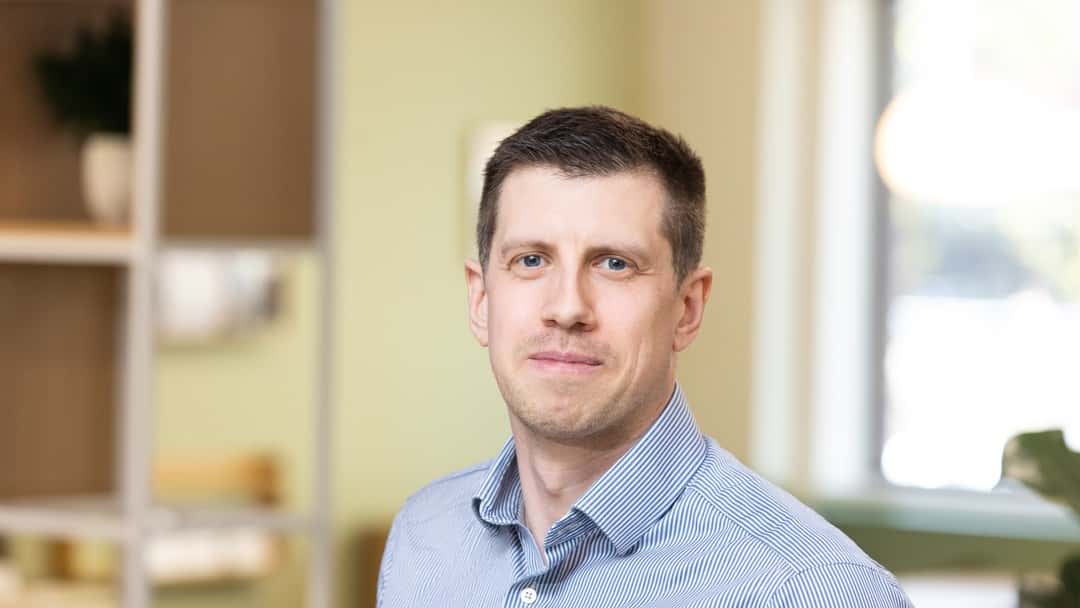
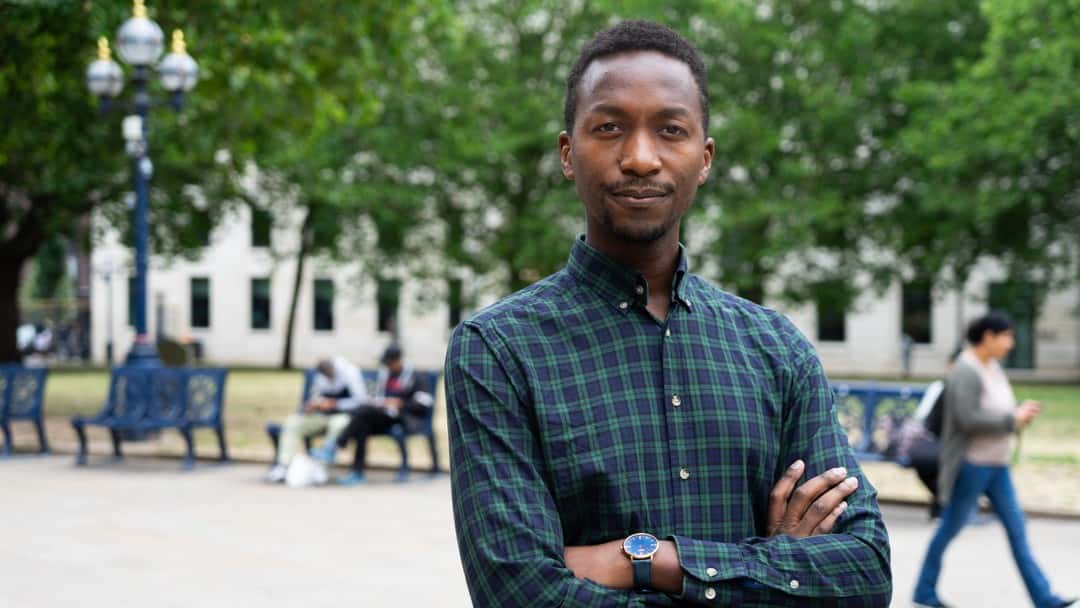
The HM Inspectorate of Constabulary and Fire & Rescue Services is set to lead a joint investigation into the excessive delays that plague police investigations of sexual offences, a move prompted by a complaint from the Centre for Women’s Justice. Marcus Johnstone, Managing Director of PCD Solicitors, who specialises in criminal defence for individuals accused of sexual crimes, weighed in on this pressing issue, emphasising the severe repercussions these delays have on all parties involved. He states that "There is no question that chronic delays in police investigations and trials are destroying the lives of complainants and defendants alike."
Johnstone highlights the current state of the judiciary, noting that he is "now routinely advising on cases with as many as five years between arrest and trial." With court dates stretching into 2029, the emotional toll is profound. He speaks to the tragic outcomes resulting from the lengthy process, revealing that "on more than one occasion, I have been involved in cases where defendants and complainants have attempted or considered suicide, or have tragically taken their own lives due to the protracted criminal justice process."
The solicitor identifies multiple factors contributing to this crisis, including the backlog in the court system, which the government attempts to address by scaling back jury trials. He explains that "another major cause is mounting pressures on police forces, which are dealing with exponential, year-on-year increases in sexual offending without the resources or personnel to do so." Investigations that were once quickly resolved are now severely delayed, particularly due to the overwhelming volume of internet-related crimes, resulting in forensic centres taking months or even years to process evidence.
Johnstone points out that "it is not uncommon for a single Rape and Serious Sexual Offence (RASSO) officer to be managing dozens of cases at one time." This situation is pressing, especially given the societal shift encouraging victims to report crimes. However, the underlying issue remains a lack of necessary resources for police to address these complaints effectively. He states, "the sum result is that dangerous offenders are being left on the streets, whilst the falsely accused and genuine victims of serious sexual crime are left in limbo."
The ramifications of these systemic delays extend beyond individual cases, risking public confidence in the legal system and increasing the potential for miscarriages of justice when trials occur years after alleged incidents. Johnstone suggests a clear path forward, advocating for "resources but earlier disposal of hopeless cases, greater use of technology in policing methods," as well as the establishment of more specialist units for sexual offences, as proposed by Shabana Mahmood in her upcoming police reforms.
This investigation serves as a critical opportunity to address these systemic issues and ultimately safeguard the welfare of both victims and the accused in the criminal justice system.
 Copyright & permissions


-cropped-fylnt739.jpg&w=3840&q=60)


.jpg&w=3840&q=60)
.png&w=3840&q=60)