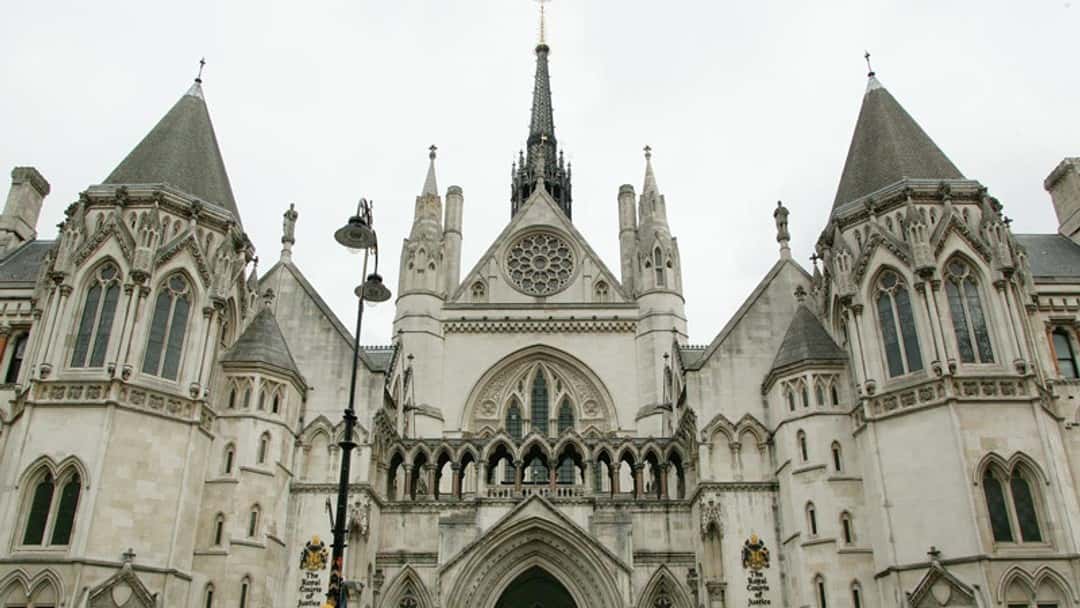
International Court of Justice ruling
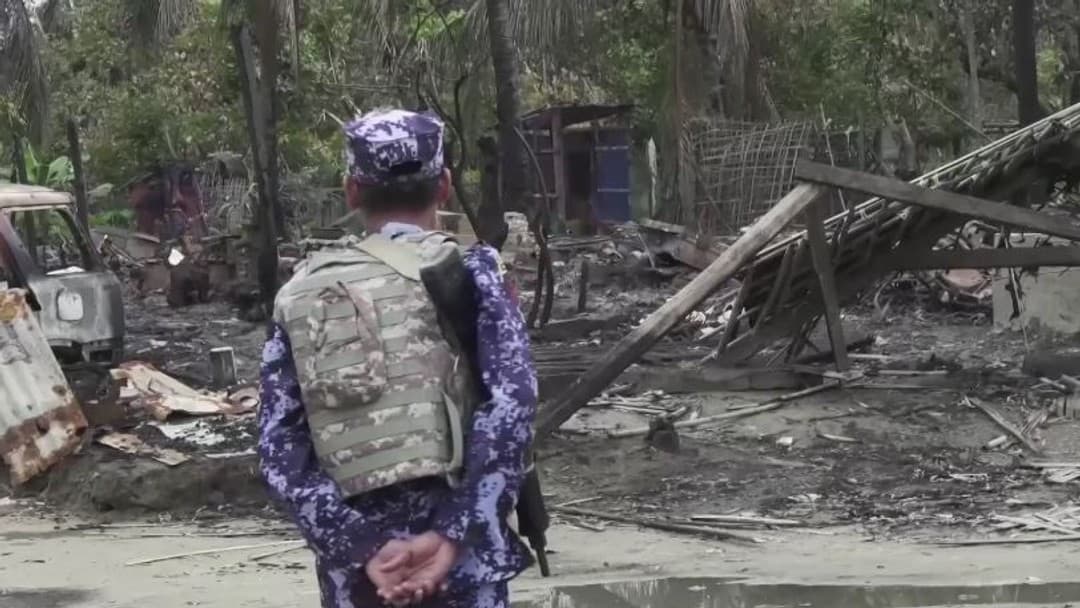
The ICJ has delivered a historic judgment regarding The Gambia and Myanmar's genocide claims against Rohingya
The International Court of Justice (ICJ) in The Hague has announced its judgment in the significant case of The Gambia v Myanmar. This case revolves around the Application of the Convention on the Prevention and Punishment of the Crime of Genocide. The Gambia has brought forward allegations that Myanmar perpetrated genocide against the Rohingya Muslim population. Specifically, The Gambia argues that acts of genocide occurred during Myanmar’s so-called “clearance operations” between 2016 and 2017, carried out by the Tatmadaw, Myanmar’s military force, in northern Rakhine State.
During these operations, the Rohingya community experienced immense suffering, with reports indicating that tens of thousands of Rohingya men, women, and children were killed. The operations were marked by extreme brutality, which included extensive sexual violence against women and girls, the arson of homes, and the obliteration of over 180 Rohingya villages.
In its anticipated ruling, the ICJ will address whether the available evidence suggests that Myanmar's actions indicate an intent to destroy the Rohingya as a group, either wholly or partially, in line with the legal definition of genocide as outlined in the Convention. Legal experts have commented on the implications of the judgment. Dr Irene Pietropaoli, Senior Research Fellow in Business and Human Rights at BIICL, stated, “This is a historic moment for international justice, for the Rohingya and for the international law of genocide." She highlighted that for the first time, the ICJ has attributed genocide liability to a State, clarifying that the Myanmar security forces acted with the specific intent to obliterate the Rohingya as a population.
Dr Pietropaoli also indicated that this ruling has implications that extend beyond the borders of Myanmar, remarking on the importance of how the Court has illustrated that genocidal intent can be inferred from systemic patterns of violence. Sonya Sceats, Director and Chief Executive Officer of BIICL, remarked on the broader consequences of the judgment. She expressed concern over potential backlash against the Court that could detract from the plight of the Rohingya victims and survivors. Sceats stated, “How states of all sizes respond to any politicised attacks on the Court will be a test of their commitment to international justice.” She underscored the necessity of reinforcing the spirit of peace that motivated the Court's establishment post-World War II, emphasising that the repercussions of failing to maintain accountability in such matters can lead to widespread instability and humanitarian crises.
In light of these developments, the world watches closely as the ICJ's ruling will not only affect Myanmar and its Rohingya population but may also have lasting consequences for international law and global accountability regarding human rights violations.
 Copyright & permissions