Intelligence agencies bolster UK's foreign interference defences
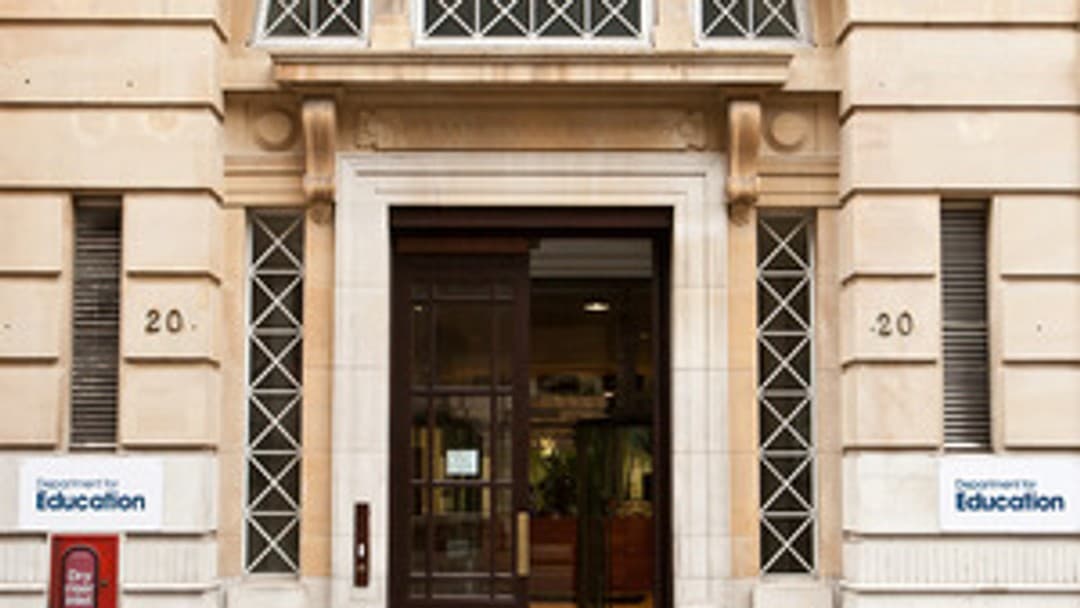
Britain's universities receive vital briefings from MI5 and cybersecurity agencies to combat foreign interference threats
Britain is taking significant steps to enhance its defences against foreign interference, particularly within its educational institutions and political landscape. In an unprecedented initiative, MI5 and the National Cyber Security Centre have delivered a series of security briefings aimed at Vice Chancellors and political party officials to strengthen the UK’s resilience against these threats.
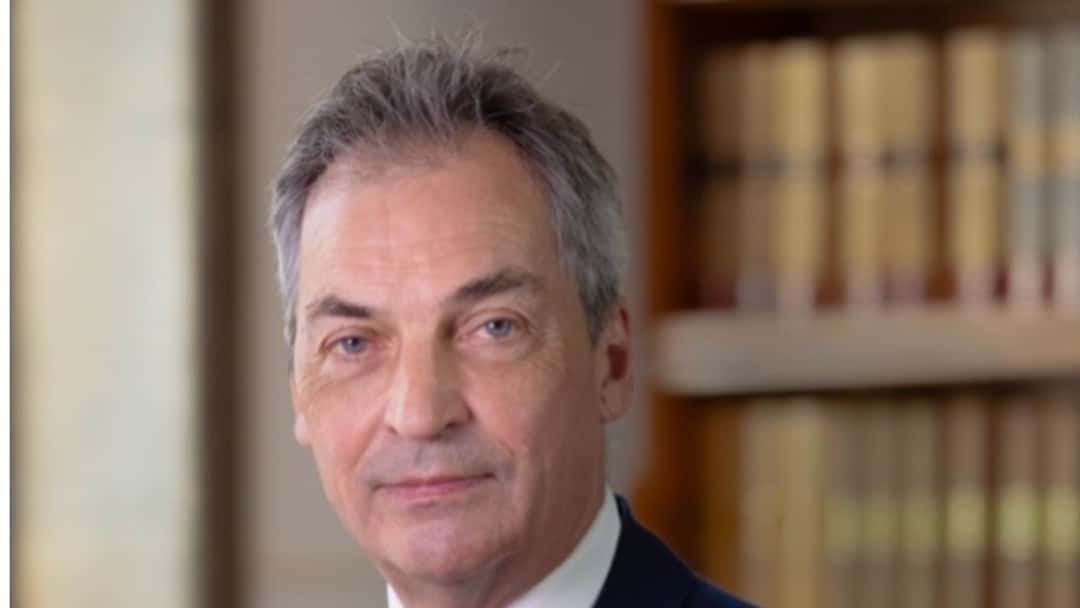
The event saw attendance from senior leaders across more than 70 universities, with MI5 Director General Sir Ken McCallum and National Cyber Security Centre CEO Richard Horne outlining the various manifestations of foreign interference. They discussed the need to remain vigilant against attempts to censor or manipulate research and teaching within the academic sector. “Our universities’ world-class reputation makes them a prime target for foreign states and hostile actors,” remarked Skills Minister Jacqui Smith on the importance of tightening security protocols.
Hosted by Security Minister Dan Jarvis, the briefings—only the second of their kind and the largest to date—emphasised a unified response to foreign interference, transcending party lines. The UK government is investing £3 million in measures aimed at safeguarding universities, which include the newly established Academic Interference Reporting Route. This initiative allows university leaders to report concerns directly to the government, thus enabling a faster and more efficient response to potential threats.
Additionally, further guidance and training will be rolled out to help staff and students understand how to protect themselves and where to seek assistance. “By working together and sharing information, we are standing united against political pressure from foreign state actors,” Jarvis added.
The threat landscape continues to evolve, as highlighted by McCallum during the briefing for political parties, where he noted how foreign powers seek to interfere in democratic processes. Academic freedom is being closely scrutinised, with Arif Ahmed from the Office for Students emphasising the necessity for universities to resist external state threats. “The suppression of research because of the disapproval of a foreign government is unacceptable in practically any circumstances,” he asserted.
Dr Tim Bradshaw from the Russell Group acknowledged the collaborative approach taken by the government while discussing the shared responsibilities regarding national security. “Our universities have a vital role to play in maintaining learning environments where all students and staff can continue to inquire, study, and discuss ideas freely,” he said.
Vivienne Stern MBE, Chief Executive of Universities UK, expressed commitment to long-term capacity building to enhance resilience across the sector. “It is precisely because UK universities are world-leading that they may become targets for hostile actors,” she warned. As this initiative unfolds, the collective aim is not only to protect academic integrity but to reinforce the UK’s position as a beacon of opportunity and growth against foreign interference.
 Copyright & permissions





.jpg&w=3840&q=60)

-cropped-6au25meu.jpg&w=3840&q=60)
.JPEG&w=3840&q=60)