
How innovation can help tackle climate change
By Neil Foster
Following COP26, Neil Foster explores how innovation is needed to consolidate climate change efforts
If you didn’t attend COP26 in Glasgow, you probably feel like you did anyway. There were inescapable headlines with constant updates on the pledges made and by which countries, with great hopes of resolving our climate crisis and accelerating the transition towards renewable energies.
COP26’s domination of the mainstream news demonstrates how important this issue is. The world has finally woken up to the urgency of the climate crisis. The decisions made at this conference will have an enormous impact on the future of our planet.
But what actually happened at COP26, why is it important and how is the UK involved in the energy transition?
There were three key attendees at COP26: government delegates, activists and innovators. Heads of government and activists may have made the headlines, but innovators will drive us forward in the fight against climate change.
Innovators will develop solutions regardless of what government decisions are made. Research and Development (R&D) is a time-intensive process, so these innovator companies have to be ahead of government. The government’s role is to create an attractive environment for entrepreneurs to get these innovations market ready and scalable.
So, while the pledges made by government are important, what goes on behind the scenes at COP26 was just as important to ensuring our success in the fight against climate change. The success of the pledges made at COP26 will be measured by its focus on innovation.
The UK is home to some of the most notable innovations in the world, particularly environmental technologies, but capitalising on this and creating an attractive environment which encourages innovation and entrepreneurship is key.
So where do deal lawyers come in?
We are deal makers. Our role is to help innovator companies navigate the regulatory environment and find funding which will enable them to grow and succeed. This year at COP26, in partnership with Greenbackers, we hosted a SuperPitch event where 26 cleantech ventures pitched for investment to over 600 environment-focused investors.
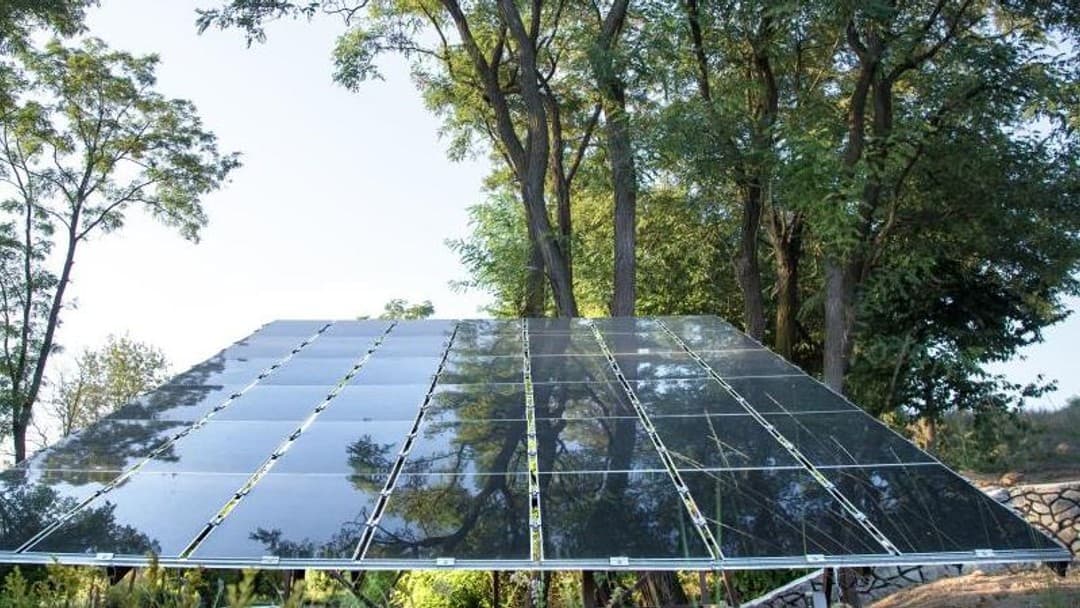
The event featured a huge range of ventures, from companies creating greener batteries and solar panels to innovations in hydrogen energy, transportation and agriculture. In advance, our firm Brown Rudnick conducted webinars with the company founders and CEOs providing advice on term sheets. Events like these are important. These innovators hold the key to resolving the climate crisis. But without funding, their ideas cannot become market-ready or be industrialised.
And we need more than just one type of technology. I’ve had the privilege of working with countless exciting technology and cleantech companies throughout my career and what I have learned is diversity and breadth of innovation is crucial. We need a matrix of technologies if we are to succeed in the energy transition.
Some of these technologies are already in the market, some are still in development and some haven’t been invented yet. For example, even if the government were to ban petrol cars tomorrow, it would not be feasible for everyone to start driving an electric vehicle because we don’t have sufficient charging facilities. In addition, solutions will not look the same from central London to a rural farm. This is why we need to fund innovation, so we can develop a complementary matrix of technologies which will give us the best chance of securing a successful energy transition and standing a chance of fulfilling the pledges made by the government at COP26.
 Copyright & permissions