HM Land Registry achieves remarkable progress
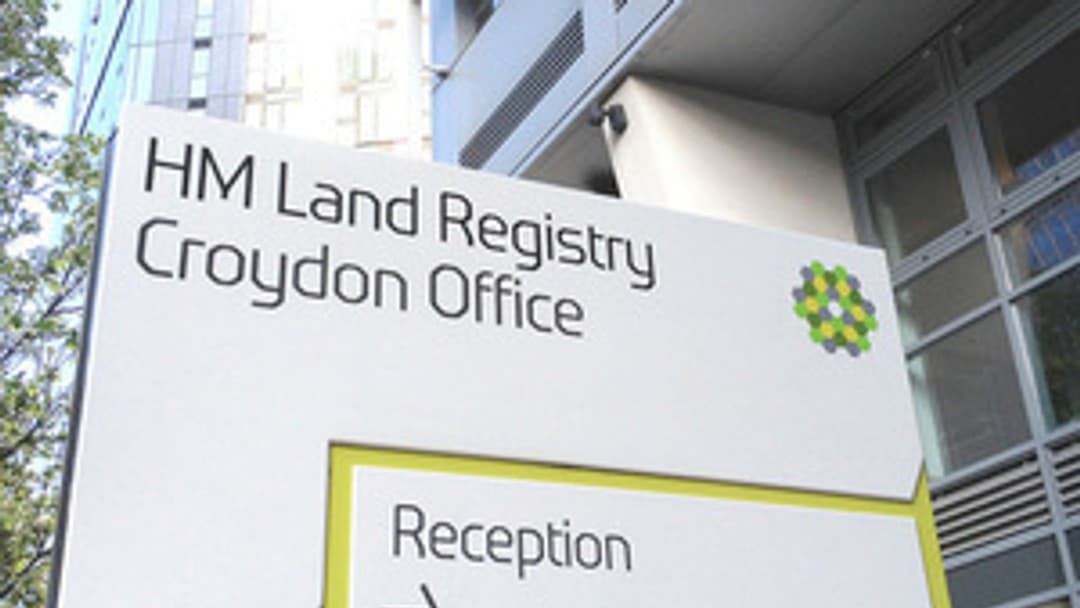
HM Land Registry's latest report reveals significant improvements in service speed and digital capabilities for customers
HM Land Registry (HMLR) has published its Annual Report and Accounts 2025-2026, showcasing notable advancements in enhancing services for customers, accelerating digital transformation, and supporting reforms across the wider property market. The report reveals that throughout the year, HM Land Registry has markedly improved its speed of service, successfully reducing the age of its oldest outstanding post-completion applications to less than half of what was seen in 2023. Additionally, the volume of outstanding applications has significantly decreased, without compromising on accuracy or integrity.
To further support its clients, HMLR introduced a free training offer and live support, sharing firm-level avoidable requisition data, which aided nearly a third of professional customers in reducing avoidable requisition rates. As a result, over 100,000 fewer requisition letters were issued, releasing thousands of hours back into the property system and ensuring that more applications were completed faster.
Iain Banfield, Interim Chief Executive and Chief Land Registrar, noted “This year, we’ve shown that meaningful change is possible. We have improved performance, reduced delays, embraced new digital technologies and worked with partners across the sector to turn long-standing ambitions for property market reform into practical delivery.”
HMLR's commitment to modernising its services is evident through various digital developments that enhance user experience. The online portal now offers customers greater visibility of their applications, while the introduction of "digital checks" helps ensure that higher-quality applications are submitted by identifying issues before submission. These validation checks are instrumental in expediting application processing, cutting down on avoidable requisitions, and eliminating unnecessary rework across the system.
A significant milestone reached by HMLR was the adoption of Qualified Electronic Signatures (QES). Nationwide Building Society became the first lender to submit a mortgage application using QES, marking a substantial step towards fully digital and secure property transactions.
The report also underscores ongoing advancements in the Local Land Charges Register, which is improving the efficiency of home buying by providing quicker access to essential property information. By March 2026, the service had delivered over two million search results, saving customers an average of 13 days for obtaining search results and reducing costs by more than £4 million. An AI tool developed by HMLR facilitated the processing of Newham Council’s local land charges data in just four weeks, compared to an estimated three months requiring 20 people without it.
In addition to enhancing services directly, HMLR is actively collaborating with industry and government partners to modernise the broader property market. Through the Digital Property Market Steering Group (DPMSG), HMLR is uniting government, regulators, and industry stakeholders to foster a more digital and data-enabled property market. During the past year, emphasis was placed on improving access to reliable property information, supporting digital identification verification initiatives, exploring smart property data usage, and testing methods for secure information sharing across the industry. These initiatives align with HMLR’s ambition to simplify and expedite the property transaction process, reinforcing a more secure market.
Security for property ownership remains a critical aspect of HMLR’s responsibilities. Over the past year, more than £63 million worth of fraudulent property applications was successfully prevented. Additionally, the free Property Alert service saw significant growth, reaching over 900,000 live accounts.
The report also highlights HMLR’s investment in its workforce, which is pivotal in delivering improved services for customers. Significant emphasis was placed on staff skills and training, enabling greater productivity and the provision of faster, more reliable, and customer-oriented services. Notably, award-winning technical training is helping staff advance into more complex areas of casework.
Looking to the future, HM Land Registry's priorities continue to centre on enhancing service performance, prioritising customer needs, and further developing modern digital services while supporting housing market reform. HMLR’s Strategy 2025+ reaffirms its dedication to collaborating with key stakeholders in the sector to create a simpler, faster, and more transparent property market
 Copyright & permissions