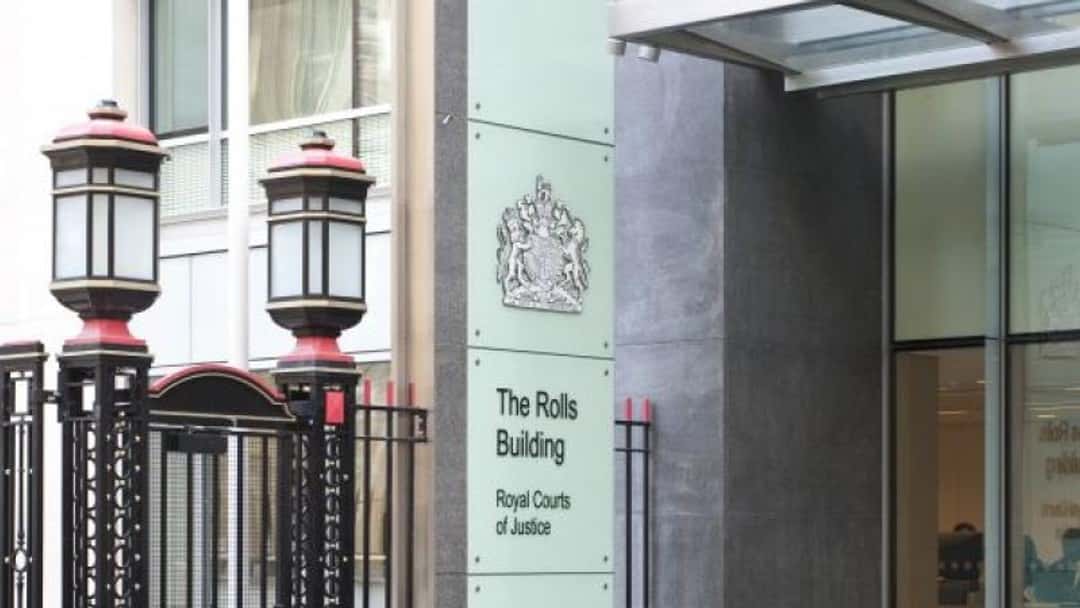
High Court upholds restraint order against Perseus Ventures in Foskett dispute

High Court dismisses bid to overturn civil restraint order, finding repeated applications totally without merit.
The High Court has refused an application by Perseus Ventures Limited to set aside an extended civil restraint order and related rulings, dismissing every element of the challenge and ordering indemnity costs after finding the company's conduct fell well outside the norm.
Mr Justice Dexter Dias heard the application brought by Perseus, a British Virgin Islands company controlled by its director Martin Walsh, against receivers appointed over a London property, their solicitors at Addleshaw Goddard, and Barclays Bank UK. The underlying dispute traced back to a 2011 loan facility and personal guarantee, with Barclays appointing receivers in 2017 after demands for repayment went unmet. Following years of litigation in which Perseus alleged a conspiracy between the receivers and the bank's solicitors, the claim was struck out in June 2025 after the company failed to comply with unless orders made by Master Brown, including conditions requiring payment of outstanding costs and security for costs.
Rather than appealing that order or seeking relief from sanctions, Perseus made a series of further applications, each dismissed and certified as totally without merit by different judges, prompting Mr Justice Soole to impose the extended civil restraint order in December 2025. Perseus then sought to have that order set aside, along with the underlying certifications.
The company's central jurisdictional argument was that Master Brown had no power to make the orders because the claim, which included allegations amounting to conspiracy and fraud, constituted a "criminal matter" falling outside a Master's jurisdiction under Practice Direction 2B. Mr Justice Dexter Dias rejected this, drawing on the Supreme Court's analysis in R (Belhaj) v DPP of the phrase "criminal cause or matter" in a different statutory context. He held that the distinguishing feature of criminal proceedings is the prospect of conviction and punishment, and that a civil claim making serious factual allegations does not become a criminal matter merely because the conduct alleged would, if proven, amount to a crime. Accepting that interpretation would remove a vast range of ordinary civil litigation from the jurisdiction of Masters and District Judges, a consequence he found could not have been intended by the drafters of the practice direction.
Turning to the substantive applications, the judge noted that counsel for Perseus had realistically conceded at the hearing that the applications to vary or set aside Mr Justice Soole's orders, along with a separate application concerning an order of Mr Justice Bennathan, had been correctly dismissed and were properly certified as totally without merit. With four prior totally without merit certifications already on record, the judge found the legal threshold for the extended civil restraint order clearly satisfied, and saw no basis to depart from Mr Justice Soole's exercise of discretion.
On costs, the judge found the conduct of Perseus and Mr Walsh went well beyond ordinary litigation misjudgement. The company had continued issuing statutory demands and threatening winding-up petitions in apparent breach of an injunction, and had circulated material accusing Master Brown of acting as an "agent" for the defendants in an alleged embezzlement conspiracy, sending similar allegations to the Solicitors Regulation Authority and the police. While counsel properly distanced himself from those allegations, the judge held that making unevidenced claims of criminal conspiracy against a member of the judiciary was grossly unreasonable conduct, justifying an award of costs on the indemnity basis.
The application was dismissed in its entirety and the extended civil restraint order remains in force.
 Copyright & permissions