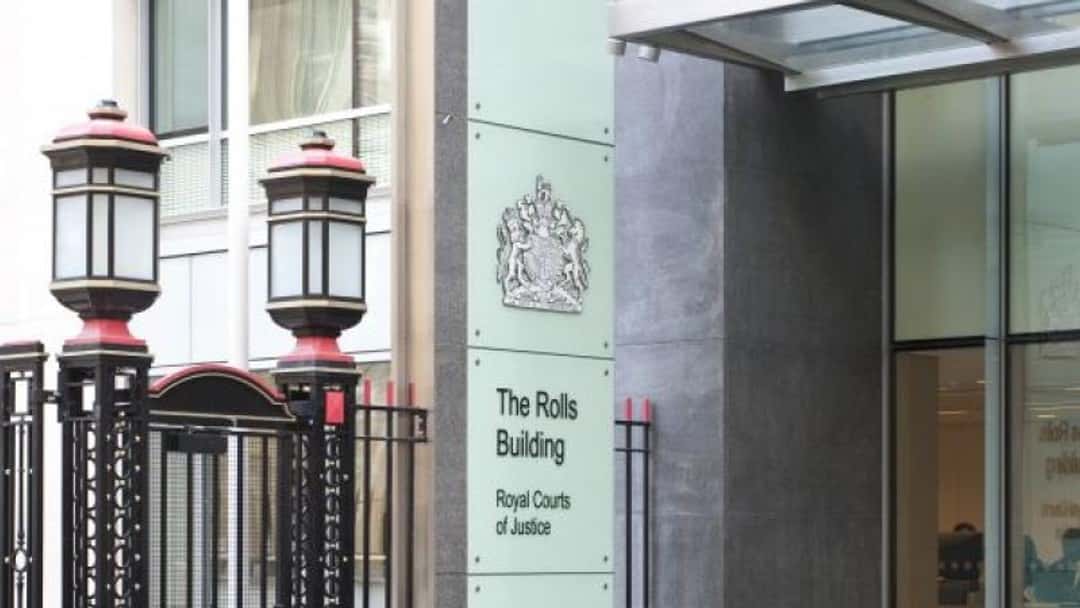
High Court rules, search of Andrew Mountbatten-Windsor properties were unlawful
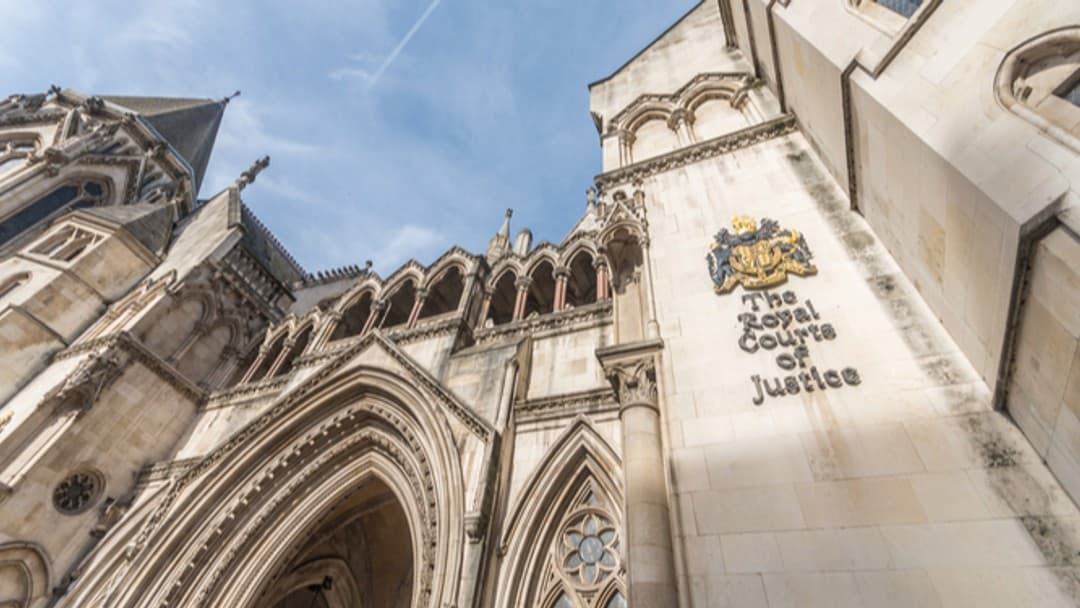
Today's High Court decision on unlawful search warrants raises important questions about evidence admissibility in court
In a significant ruling today, the High Court declared that the warrants issued to Thames Valley Police for searching the properties of Andrew Mountbatten-Windsor were unlawful. This verdict has sparked discussions regarding the implications for the evidence collected during these searches. Danielle Reece-Greenhalgh, a partner at Corker Binning, commented on this ruling, noting that “an unlawful or defective search warrant does not automatically render any seized evidence inadmissible in a subsequent trial.”
Reece-Greenhalgh elaborated that the police are still permitted to examine any items seized, including devices or paperwork, as part of their investigation. The core issue now revolves around the potential use of unlawfully obtained evidence in court. She stated, “the question of whether and how unlawfully obtained evidence can be used centres on whether its admission would have such an adverse effect on the fairness of the proceedings that the court ought not to admit it.”
Underlining the nuances in such cases, Reece-Greenhalgh explained that if the irregularity or unlawfulness in obtaining the evidence leads to significant unfairness that cannot be remedied, Mr Mountbatten-Windsor may possess grounds to contest the admissibility of any material discovered during the searches. This ruling and its implications are likely to be closely watched as the investigation unfolds, raising significant legal questions regarding the intersection of police practices and individual rights.
 Copyright & permissions