

High Court refuses bail to Gezim Cela in Albania extradition case
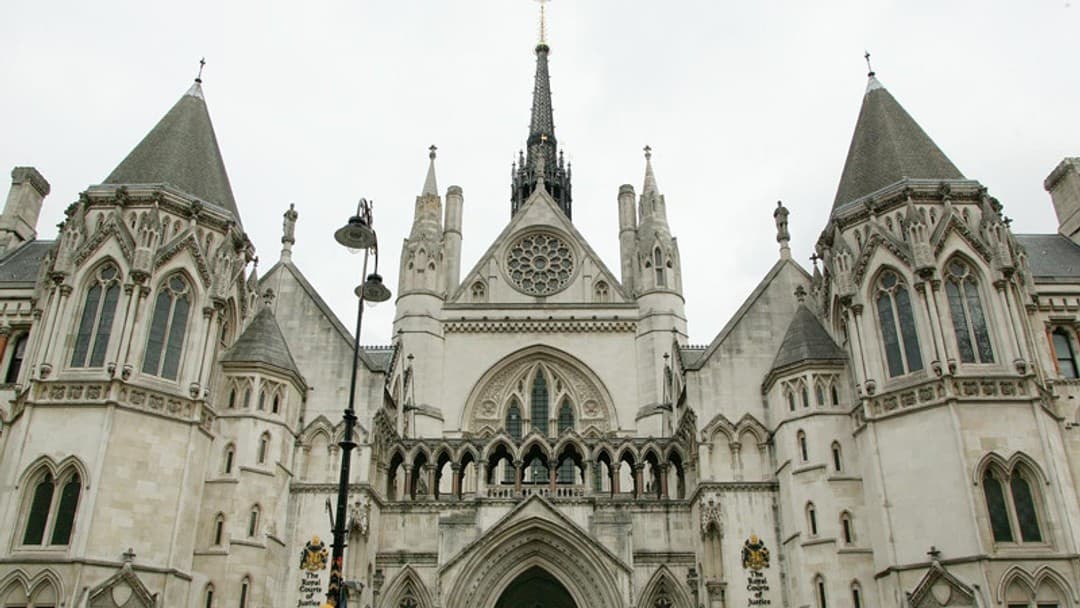
Fordham J refuses bail to Albanian applicant citing high risk of absconding.
The High Court has refused bail to a man wanted for extradition to Albania, where he is required to serve a ten-year prison sentence for a drug trafficking offence.
Mr Justice Fordham, sitting in the Administrative Court on 17 September 2026, dismissed the bail application brought by Gezim Cela, ruling that there were substantial grounds for believing he would fail to surrender if released on conditional bail.
Cela is sought by the Albanian authorities to serve a sentence imposed in December 2018 for his role in exporting approximately 50kg of cannabis from Albania to Kosovo in October 2015. His extradition hearing is listed at Westminster Magistrates' Court for 28 October 2026.
Counsel for Cela, George Hepburne Scott, argued that his client had significant community and family ties to the UK, including a five-year relationship with a UK-based partner, no UK convictions since his arrival in 2018, and an outstanding asylum appeal providing incentive to remain and cooperate. A bail package was proposed comprising a residence condition with an electronically monitored curfew, regular police station reporting, restrictions on travel to transport hubs, a prohibition on holding travel documents, and £24,000 in security pledged by three associates.
Fordham J, having considered the bail merits afresh, found the proposed conditions insufficient to address the risk of absconding. The judgement noted documentary evidence suggesting Cela left Albania as a fugitive from justice: interview records showed his case had been referred for trial on the same date as his final interview in July 2017, and a remand order had prohibited him from leaving the country at the time. The judge observed that this history would likely inform Cela's own perception of the fragility of his position, both in resisting extradition and in his asylum appeal.
The judgement also placed significant weight on evidence of Cela's evasiveness following his arrival in the UK. Witness statements from a National Crime Agency officer described a specialist tracking operation from March 2023 that failed to locate him, notwithstanding sporadic asylum applications, with Cela eventually apprehended only in May 2025 at the venue for his asylum appeal hearing. The court heard he had no financial footprint traceable through conventional systems, and that an address given in his asylum application proved false.
Further evidence considered included an unexplained £800 in cash found on Cela at the time of his arrest, with no bank cards or identification documents recovered, and no passport ever surrendered. The judge also referred to a 2022 arrest in which Cela was found in a vehicle containing a knife and 520 wraps of cocaine, during which he provided a false name to police and was found in possession of a bank card belonging to another person.
While accepting that the single caution disclosed against one of the three sureties raised no additional concern, Fordham J found no adequate explanation for the sums each had pledged or their basis for assuming such risk, and no sufficiently strong evidence of depth of ties to anchor Cela to a fixed address or location. The judge noted evidence of mobility across several UK locations and a wide network of associates whose full extent had not been disclosed.
Concluding that the overall picture of absconding risk was clear cut, Fordham J refused bail, finding that no conditions available to the court could sufficiently allay the identified concerns.
 Copyright & permissions







.jpg&w=3840&q=60)



