High Court imposes civil restraint order on Amar Lodhia over fabricated evidence
Judge refers litigant to the Attorney General and a barrister to the Bar Standards Board after serious findings of dishonesty.
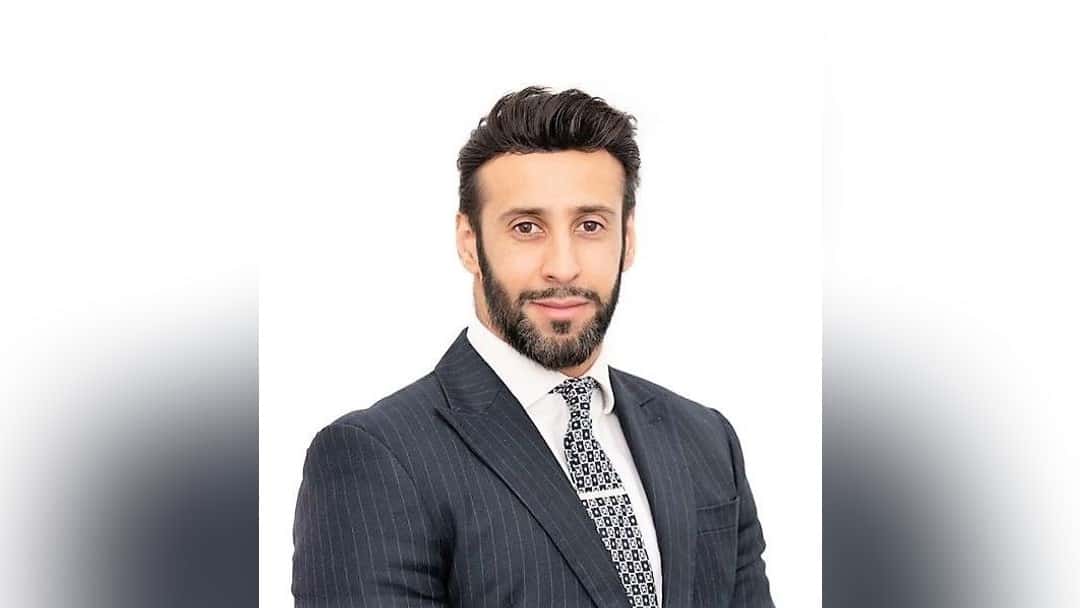
The High Court has made a three-year General Civil Restraint Order against a litigant in person, Mr Amar Lodhia, and referred his conduct to the Attorney General's Office for consideration of contempt proceedings, following findings that he fabricated evidence, doctored a court order and made false statements verified by statements of truth throughout defamation proceedings he later discontinued.
In Amar Lodhia v Twelve Trees (Bromley-By-Bow) Management Company Limited and others [2026] EWHC 1889 (KB), Mr Justice Linden handed down a follow-up judgement to his earlier ruling of 18 May 2026, in which he had already ordered Mr Lodhia to pay the defendants' costs after he discontinued his defamation and malicious falsehood claim against a residential management company, its property managers and three directors.
Mr Lodhia, a leaseholder who describes himself as a legal consultant working under supervision at a set of chambers called JSC Chambers, had brought proceedings over a newsletter that criticised his conduct as a campaigner and referenced his bankruptcy and an earlier civil restraint order made against him in 2022. The July hearing considered whether costs should be assessed on the indemnity basis, whether a further restraint order was warranted, and a series of specific allegations that had emerged since May.
The judge found that Mr Lodhia had relied on fabricated documents, including a doctored university email and a fake section of his own disability inclusion plan, to support an application to postpone a hearing on the false basis that university exams clashed with it. When the court ordered further evidence, Mr Lodhia altered a judicial order and sent misleading versions of his own witness statements to a university contact in an apparent attempt to prevent his deception being discovered. He also submitted fabricated letters before claim and false certificates of service purporting to show he had sent additional correspondence in March 2025, and produced a statement of costs claiming he was liable to pay around £82,000, including £10,000 to his supervising barrister, Mr Joseph Chiffers, which the judge found was untrue. Mr Lodhia had told the court at an earlier hearing that he had already paid this sum.
The judgement also examined letters purportedly from Mr Lodhia's trustees in bankruptcy, finding that he had altered their correspondence to misrepresent their position on costs and had misled them into approving documents for use in a different case. Mr Justice Linden rejected Mr Lodhia's explanations across each of these episodes, including his repeated attribution of errors to artificial intelligence tools, and found that several applications made during the proceedings, including a last-minute bid to cross-examine the defendants' solicitor and commit her for contempt, which Mr Lodhia ultimately withdrew, were totally without merit.
On costs, the judge ordered indemnity assessment throughout, citing conduct he described as "out of the norm," including aggressive and unfounded allegations against the defendants' lawyers. He declined to accept an offer of a confidential undertaking in place of a further restraint order, holding that any restriction on Mr Lodhia's litigation activity needed to be a matter of public record given his history, which already included a General Civil Restraint Order made in 2022 over unrelated litigation against a local authority.
Mr Justice Linden also referred Mr Chiffers and his chambers to the Bar Standards Board, finding his account of his supervision of Mr Lodhia's activities had remained unsatisfactorily vague despite repeated court orders, and that a self-referral made shortly before the hearing did not adequately reflect the seriousness of what had occurred. The matter has now been passed to the Attorney General's Office to consider whether proceedings for contempt of court, or a referral to the police, should follow.
 Copyright & permissions