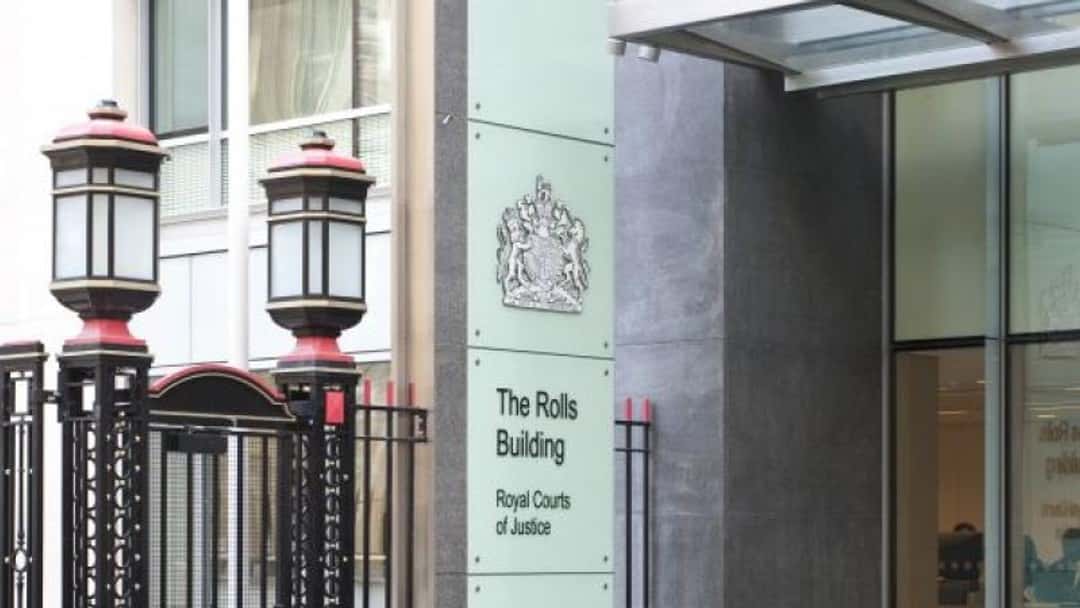
High Court dismisses challenge to Chinese embassy planning permission at Royal Mint Court
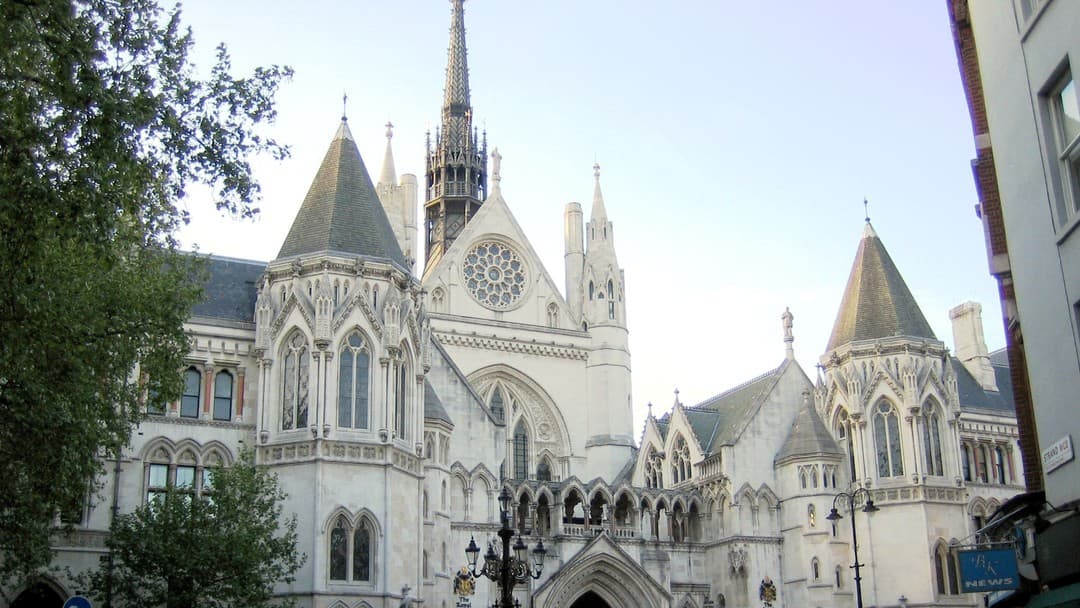
High Court rejects residents' legal challenge to planning consent for China's new London embassy.
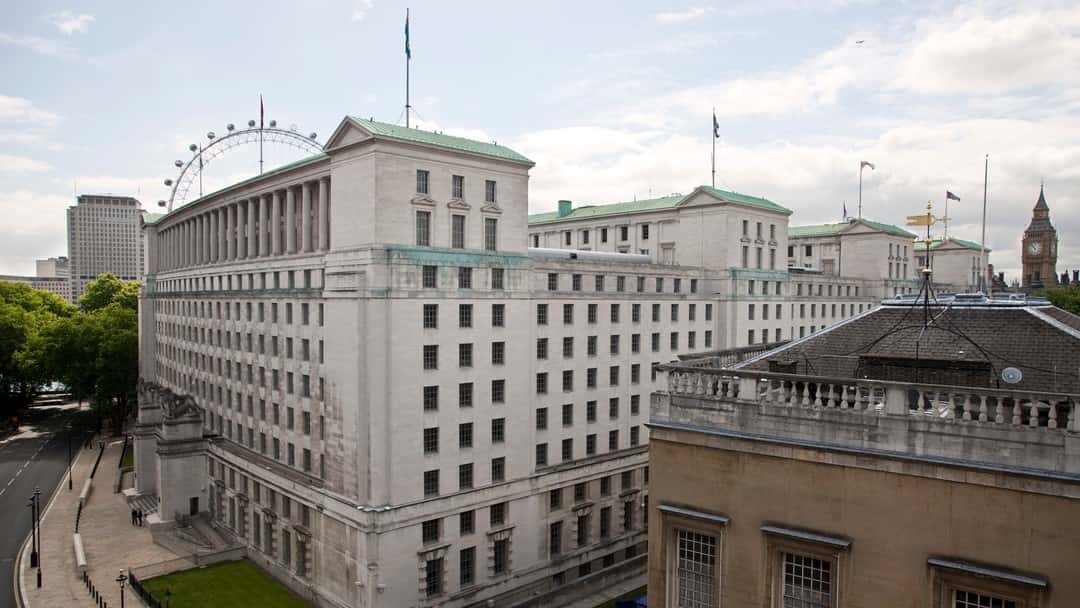
The High Court has dismissed a statutory review challenge brought by the Royal Mint Court Residents' Association against the Secretary of State for Housing, Communities and Local Government's decision to grant planning permission and listed building consent for the redevelopment of Royal Mint Court as the new embassy of the People's Republic of China.
Mrs Justice Lieven, sitting with Lord Justice Dingemans, Senior President of Tribunals, heard the claim following the Secretary of State's decision letter of 20 January 2026, which followed a public inquiry held in February 2025. The residents' association represents around 100 leasehold properties at St Mary Graces Court, built for key workers in 1987, which sit within the same freehold title as the embassy site and share its longest boundary. The site, formerly home to the Royal Mint, received diplomatic consent from the then Foreign Secretary in 2018, conditional on the PRC subsequently obtaining planning permission.
On the first ground, the residents argued the Secretary of State had failed properly to consider whether planning conditions could be enforced given the inviolability of diplomatic premises under the Vienna Convention, pointing to the PRC's history of resisting planning enforcement at its Belfast consulate. The court found this ground arguable but unsuccessful, holding that the decision letter had expressly grappled with the limits on enforceability and had reasonably concluded, in light of the PRC's constructive engagement throughout the application process and its obligations under article 41 of the Vienna Convention, that conditions were likely to be observed and were, in the Secretary of State's words, "de facto enforceable".
The second ground concerned the non-disclosure of a Security Statement and a Blast Assessment, prepared respectively by the PRC and by the local planning authority, which were not shared with objectors before the decision was made despite containing detailed analysis of potential bomb blast impacts on St Mary Graces Court. The court accepted the ground was arguable, since the documents had genuinely not been seen by the claimant, but found no material prejudice had resulted, since the substance of both documents had already been summarised in publicly available planning officers' reports, and the claimant's own expert evidence, the Crilly Report, had raised substantially the same concerns about blast vulnerability and stand-off distances.
On the third ground, concerning around 40 redacted or "greyed out" drawings that did not specify the intended use of certain rooms within the embassy buildings, the court held the question of what information was necessary to describe a development under the relevant planning regulations was a matter of planning judgement for the decision-maker rather than a hard-edged legal question for the court, and found nothing irrational in the Secretary of State's conclusion that sufficient information had been provided, including a condition preventing unspecified rooms from being used for overnight accommodation.
The fourth ground alleged the Secretary of State had breached positive obligations to protect residents' rights to freedom of expression, assembly and property under the European Convention on Human Rights, given fears of reprisals from the PRC as both prospective embassy occupant and the residents' freeholder. The court found the claimant had not produced the "reasonable and convincing evidence" of a likely rights violation required to establish victim status, distinguishing the case from environmental pollution cases where sustained, evidenced risks had triggered positive obligations, and noted the Secretary of State had reasonably relied on the Metropolitan Police Service's assessment that disruption from protests would be limited.
All four grounds were dismissed, with Lord Justice Dingemans adding a short supporting judgement emphasising that the court's role was confined to reviewing the legality of the decision-making process rather than the underlying merits of granting the embassy consent.
 Copyright & permissions