High Court allows derivative claim to proceed in De Menezes v Alves furniture dispute
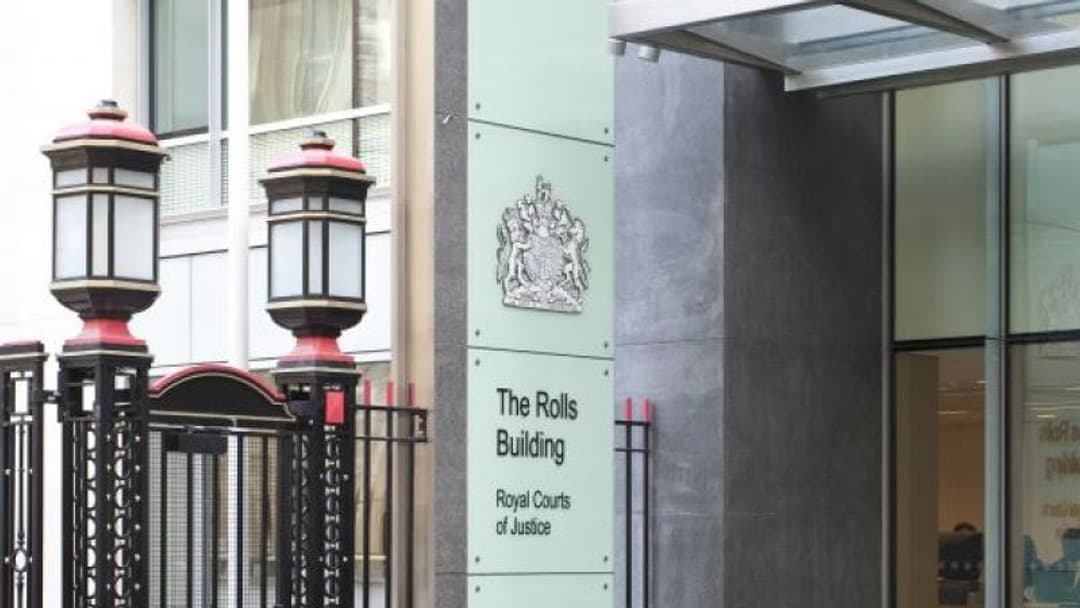
Court permits a director conflict claim over a rival furniture venture but declines to grant an immediate injunction.
The High Court has granted permission for a derivative claim to continue against a director accused of running a competing furniture business while remaining a director of the company he co-owns, in a dispute the judge described as "a sad case about the breakdown of a long personal and business relationship."
In Marcos De Menezes v Eduardo Machado Dos Santos Alves [2026] EWHC 1906 (Ch), Fancourt J considered an application by Mr De Menezes to continue a derivative claim on behalf of Oficina Inglesa Limited (OIL), a high-end reproduction and bespoke furniture business he co-owns equally with Mr Alves, alongside a related application for interim injunctive relief.
The two men founded OIL together in 2008, but their personal relationship broke down in 2022. Mr Alves subsequently set up Cobogo Gallery Limited, a venture selling contemporary Brazilian furniture from a showroom in the same Chelsea Harbour design centre as OIL. Mr De Menezes alleged that Mr Alves's continuing role as OIL's director, combined with his sole ownership of a business operating in the same market, put him in breach of his statutory duty under section 175 of the Companies Act 2006 to avoid conflicts of interest.
Applying the framework in section 263 of the Act, the judge rejected Mr Alves's argument that permission should be refused because no evidence showed OIL had yet suffered actual financial loss. Fancourt J held that a sufficient threat of future harm could support a derivative claim, distinguishing the Court of Appeal's comments in McGaughey v Universities Superannuation Scheme as addressing a different point about reflective loss rather than ruling out claims based on anticipated harm.
On the central factual dispute, whether the two businesses genuinely competed, the judge found a prima facie case that they did, despite differences in aesthetic style, given that both operated in the same price bracket, from the same prestigious location, and targeted overlapping client bases. He also accepted there was a real risk of harm to OIL through Mr Alves's access to confidential customer and supplier information, notwithstanding the absence of proven financial loss to date.
The judge rejected Mr Alves's case that an April 2024 WhatsApp exchange amounted to a concluded agreement or informal authorisation, under the Re Duomatic principle, permitting him to run Cobogo while remaining an OIL director, finding the messages showed ongoing negotiation rather than settled consensus. He also dismissed suggestions that the claim was a bad-faith tactic to pressure Mr Alves into selling his shares, and preferred the derivative claim to an unfair prejudice petition under section 994, since the dispute centred on a discrete breach of duty rather than broader issues of internal management.
However, the judge narrowed the scope of the claim, finding no prima facie case under sections 173 or 176 of the Act, and ruling that the pleaded claim against Cobogo for knowing receipt was inadequately particularised following the Supreme Court's guidance in Byers v Saudi National Bank, though he left open the possibility of a properly pleaded amendment. He also declined to order that OIL indemnify Mr De Menezes's costs at this stage, given the claim's unusual two-shareholder structure.
On the injunction application, Fancourt J found the balance of convenience narrowly favoured refusing relief, provided Mr Alves offered undertakings restricting Cobogo from selling classic European or bespoke furniture and from misusing OIL's confidential information pending trial.
The judgement closed with pointed criticism of the parties' listing practices, warning that hearings with unrealistic time estimates risk adjournment and costs consequences.
 Copyright & permissions