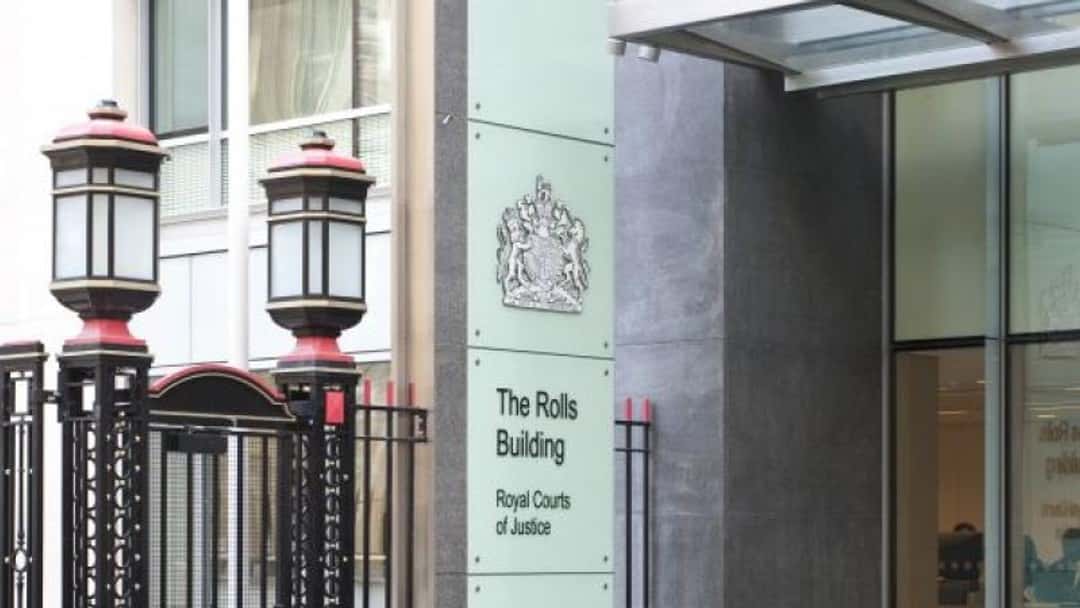
Herod Property Ltd v Westminster City Council: developer's £295,000 CIL challenge dismissed
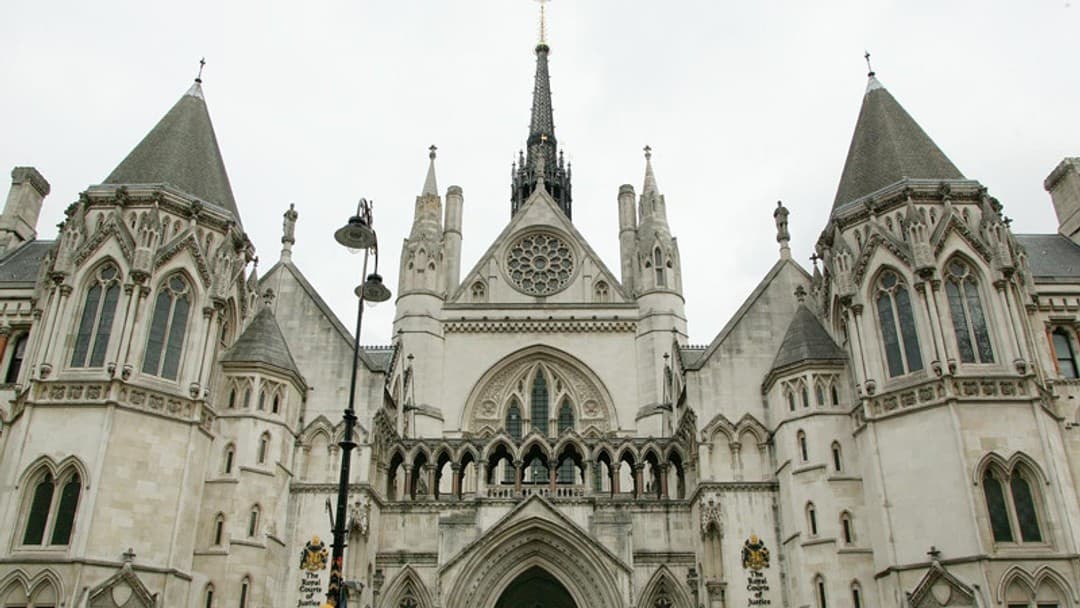
The High Court rejects a judicial review of Community Infrastructure Levy notices issued over a Bayswater office-to-flats conversion, offering guidance on the "zero CIL" exemption.
Sir Tim Kerr, sitting as a judge of the High Court, has dismissed a judicial review brought by Herod Property Limited against Westminster City Council over Community Infrastructure Levy notices totalling close to £295,000, alongside a demand for over £380,000 including surcharges and interest.
In R (Herod Property Ltd) v Westminster City Council [2026] EWHC 2122 (Admin), the claimant had converted part of a former office building at 32 Palace Court, Bayswater, into five residential flats under permitted development rights. Believing that no CIL was payable because the converted floorspace had previously been in lawful use, satisfying the "in-use buildings" exemption under Schedule 1 to the Community Infrastructure Levy Regulations 2010, the developer commenced works in late 2023 without submitting a notice of chargeable development or a commencement notice. The flats were subsequently sold and occupied. Westminster issued its own notice of chargeable development in August 2025, followed by a liability notice and demand notice, having concluded that CIL was in fact due.
The claimant advanced four grounds of challenge, including that the council's assessment was unreasonable, that it had failed properly to apportion liability among the various parties who by then held interests in the building, that its decision to issue the notices was itself unreasonable, and that an admitted error naming Transport for London rather than the Mayor of London as a recipient of part of the levy invalidated the notices.
On the central question of statutory interpretation, the judge held that a developer is entitled to decide for itself, without the collecting authority's agreement, that the zero CIL exemption applies and to proceed without serving a notice of chargeable development. However, he emphasised that this course carries real risk, since the collecting authority is not bound by that view and retains its own powers, including deeming provisions where information is lacking, to determine chargeable amounts once development has commenced. He set out a sequence of practical steps a cautious developer should follow before relying on the exemption, including seeking the authority's agreement in advance and voluntarily submitting supporting information.
The judge rejected the claimant's rationality and sufficiency-of-enquiry arguments, finding that the council's officers had made adequate enquiries and that the developer's own agents had received clear warnings about CIL liability in 2022 and 2023 which were simply not passed on to their client. On apportionment, he preferred the council's position that liability crystallises on commencement of development and falls on whoever then owns the land, rather than being reassessed against later purchasers. The naming error in the notices was found immaterial and incapable of invalidating them, distinguishing the case from earlier authority where a defective notice had genuinely prejudiced appeal rights.
The judge further held that, even had the substantive grounds succeeded, the claim would have failed because the developer had available statutory review and appeal remedies which it lost only by choosing to commence development without first resolving the CIL question, a risk he described as one taken with open eyes. Permission on delay was, in the event, unnecessary to determine, though the judge indicated he would have granted a short extension of time had it mattered.
The claim was dismissed in its entirety.
 Copyright & permissions


-cropped-a0w29ejw.jpg&w=3840&q=60)