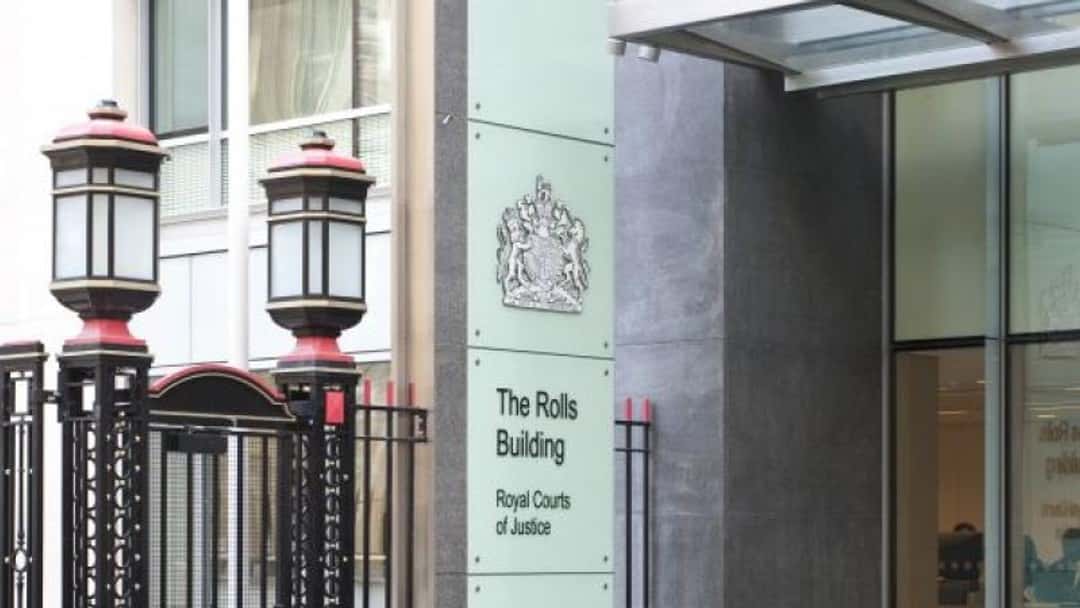
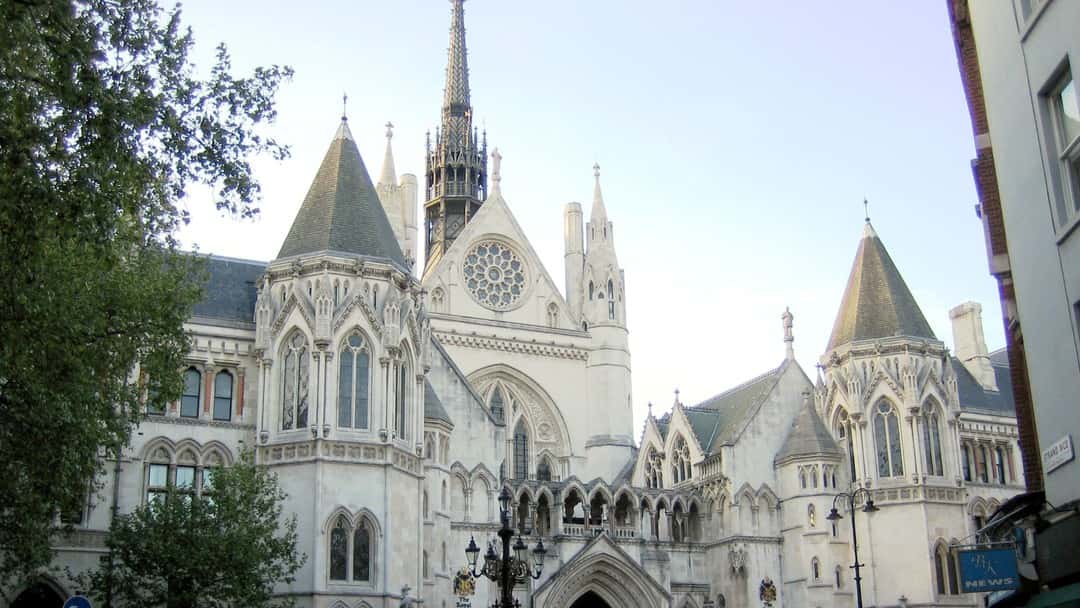
Harris v Natural England: High Court finds regulator breached habitats duties over Catfield Fen pollution
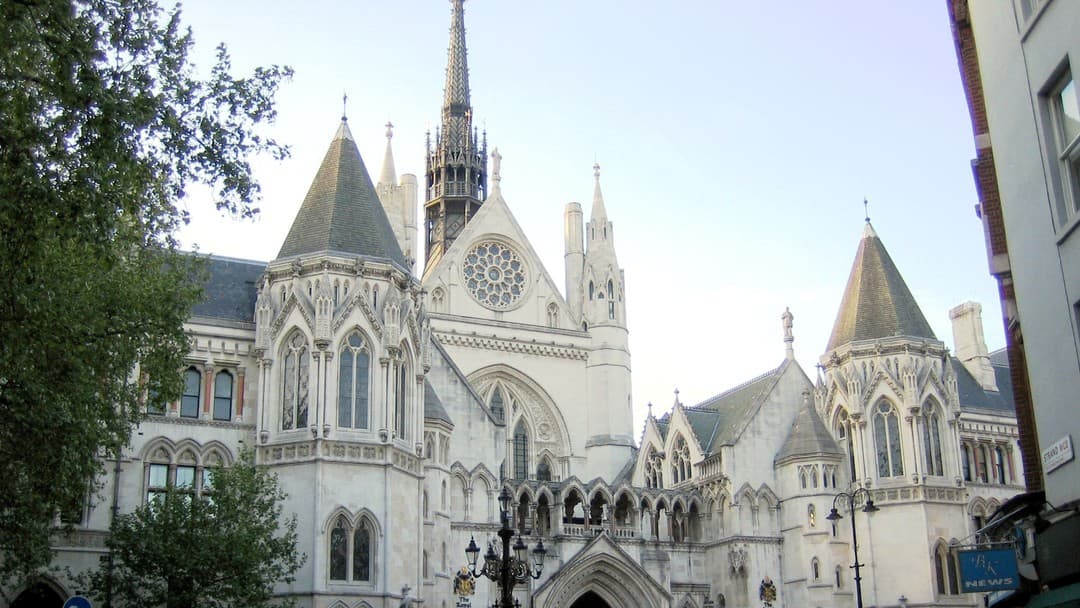
Lieven J finds Natural England breached habitats duties over agricultural run-off into Catfield Fen.
The High Court has held that Natural England failed to comply with its statutory duties to protect a nationally and internationally important wetland from nutrient pollution, despite years of knowledge of the problem.
In R (Harris) v Natural England [2026] EWHC 2488 (Admin), Lieven J upheld a judicial review brought by the owner of part of Catfield Fen in Norfolk, which sits within the Ant Broads and Marshes Site of Special Scientific Interest and the Broads Special Area of Conservation. The claim relied on regulation 9(1) of the Conservation of Habitats and Species Regulations 2017 and article 6(2) of the Habitats Directive.
The pollution pathway
The claimant said phosphates and nitrogen were running from neighbouring farmland across a public lane and through drainage grips cut by the highway authority into the fen, causing eutrophication. Consultants' sampling recorded phosphate at three to 17 times the target level, and Natural England's own 2026 survey found every sampling point above the standard. Its internal enforcement questionnaire from February 2024 accepted that the fields were the probable primary source and that the grips exacerbated the problem.
Natural England had been on notice since 2021 and produced a pollution reduction plan in August 2024, but the only mitigation implemented, a grass buffer, was ploughed up in January 2025. Natural England and the highway authority accept that the authority should have sought assent for the grips under section 28H of the Wildlife and Countryside Act 1981 since at least 2021.
The challenge
The claimant first argued that Natural England was in breach as soon as it knew of the risk and failed to act immediately. Lieven J rejected this as too mechanistic. Appropriate steps include investigation, the judge said, and the earlier cases of Grüne Liga Sachsen and Harris v Environment Agency concerned failures to assess rather than to take substantive measures, so it may be reasonable for a regulator to take longer deciding what intervention to make.
The alternative argument, that Natural England's response fell outside the range of reasonable responses, succeeded. Applying the precautionary principle, as explained in CG Fry v Secretary of State, and allowing for the regulator's professional judgement, the judge noted that Natural England had known of probable damage since 2021, had clear evidence of the pathway from early 2024 and waited nearly two years to carry out an effective survey of its own. No other plausible source of phosphate had been identified, and the pathway was beyond serious dispute.
Stopping further grips was no solution, because polluted rainwater would simply flood the lane. Natural England's stated reason for further inaction, that deterioration across the whole fen had not been shown, was inconsistent with its duties. The directive does not require deterioration from an earlier low point, the judge held; the trigger is the risk. Given the clarity of the evidence, the duty here was to take active steps.
The claimant did not seek specific measures, though he pointed to prosecution, civil sanctions and an injunction under Natural England v Cooper. The judge declared the breach of regulation 9(1) and article 6(2) and left any further order to later submissions.
David Hercock and Douglas Scott, instructed by CMS, appeared for the claimant. Ned Westaway and Gabriel Nelson, instructed by Natural England, appeared for the defendant.
 Copyright & permissions



__WEB_0.jpg&w=3840&q=60)