Grosz v Tempus Capital: guarantors fail to set aside £1.5m statutory demands
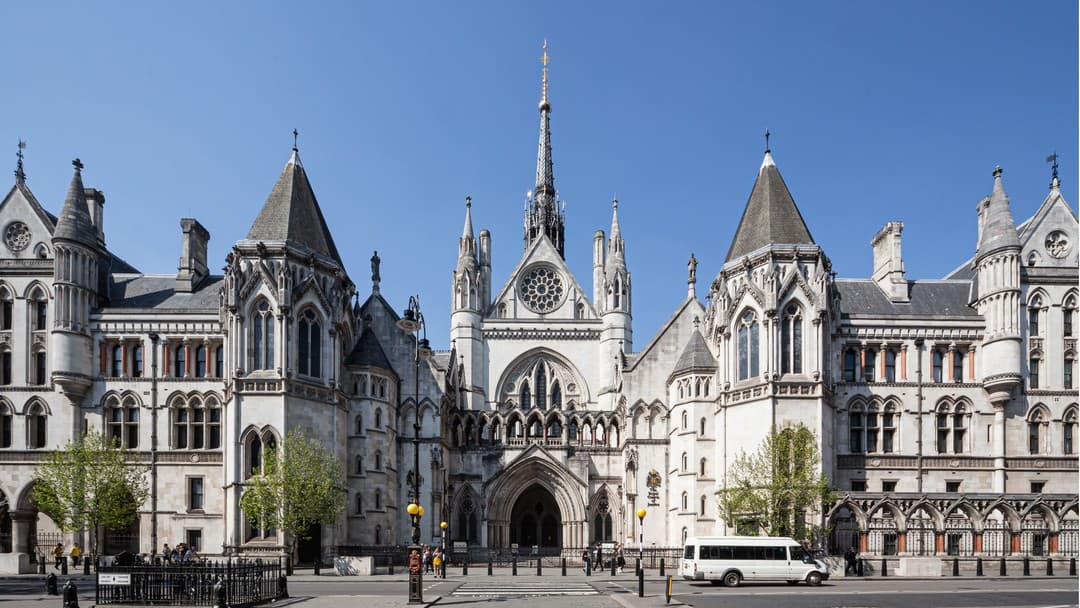
Recusal bid rejected as court dismisses guarantors' challenges to statutory demands over property loan.
Two company directors who personally guaranteed a £1.369 million property loan have failed to set aside statutory demands for more than £1.5 million, after the Insolvency and Companies Court rejected arguments based on common mistake, misrepresentation, release of the guarantee and consumer protection legislation.
In Grosz v Tempus Capital SB Ltd [2026] EWHC 2913 (BP), Deputy ICC Judge Kyriakides also dismissed an application for recusal on grounds of apparent bias brought by Samuel Grosz, who appeared in person.
Tempus lent to Finebrick Ltd to refinance bank debt, taking a property charge and a guarantee from both directors, who had independent legal advice. Under the loan agreement, the obligors warranted that there were no other encumbrances and agreed that Tempus would hold a first charge. In fact, Finebrick had granted an earlier charge to HNW Lending Ltd, registered at HM Land Registry but not at Companies House. When Finebrick defaulted, receivers sold the property and the proceeds went to their costs and to HNW.
At the original hearing, the guarantors argued that the guarantee was void for common mistake, since both sides had assumed Tempus would hold a first charge. The judge rejected this. Tempus did not know of the HNW charge, but the guarantors admitted they did, so there was no shared mistake. An assumption that Tempus would hold a first charge concerned future intention, not an existing state of affairs. Tempus's mistake had been induced by the guarantors' own warranties, and the risk had been contractually allocated to them. Applying Great Peace Shipping Ltd v Tsavliris Salvage [2002] EWCA Civ 1407, the guarantee was not rendered impossible to perform or essentially different. The misrepresentation argument was described as "hopeless".
After the draft judgement was circulated, the court allowed Mr Grosz to raise new points. He then applied for recusal, arguing that a court email proposing a one-hour hearing, with the new point to be "incorporated" into the draft judgement, indicated predetermination. Applying Porter v Magill [2002] 2 AC 357 and Ansar v Lloyds TSB Bank plc [2006] EWCA Civ 1462, the judge held that a fair-minded observer would understand the email as listing a hearing for submissions only, with judgement reserved. Dissatisfaction with the draft was a matter for appeal.
On the new points, the judge accepted that the HNW charge was void against Tempus under section 859H of the Companies Act 2006 for want of registration at Companies House. Tempus therefore held a first charge, rendering the mistake analysis redundant and meaning the guarantors were not in breach of their warranties.
That did not assist the guarantors. An argument that a subrogated claim against HNW or the receivers had been lost through Tempus's inaction was neither alleged nor evidenced. The guarantee was also a standalone security under which Tempus need not pursue third parties first. Alleged solicitors' negligence did not excuse the guarantors' liability, and the Law Reform (Contributory Negligence) Act 1945 does not apply to claims for a contractual debt.
The material variation argument under Holme v Brunskill failed because this was an "all monies" guarantee, there was no binding variation of the loan agreement, and the guarantee expressly preserved liability despite any variation. The purview argument, relying on Triodos Bank NV v Dobbs [2005] EWCA Civ 630, was distinguished on the same basis.
Applying Eternity Sky Investments Ltd v Zhang [2024] EWCA Civ 630, neither guarantor was a consumer under the Consumer Rights Act 2015, given their directorships and the business purpose of the guarantee. Nor was it a consumer credit agreement, as no credit was provided to the guarantors.
The applications were dismissed.
Mr Grosz appeared in person. Mr Gertner did not appear and was not represented. Alex Cunliffe (instructed by Brightstone Law LLP) appeared for the respondent.
 Copyright & permissions