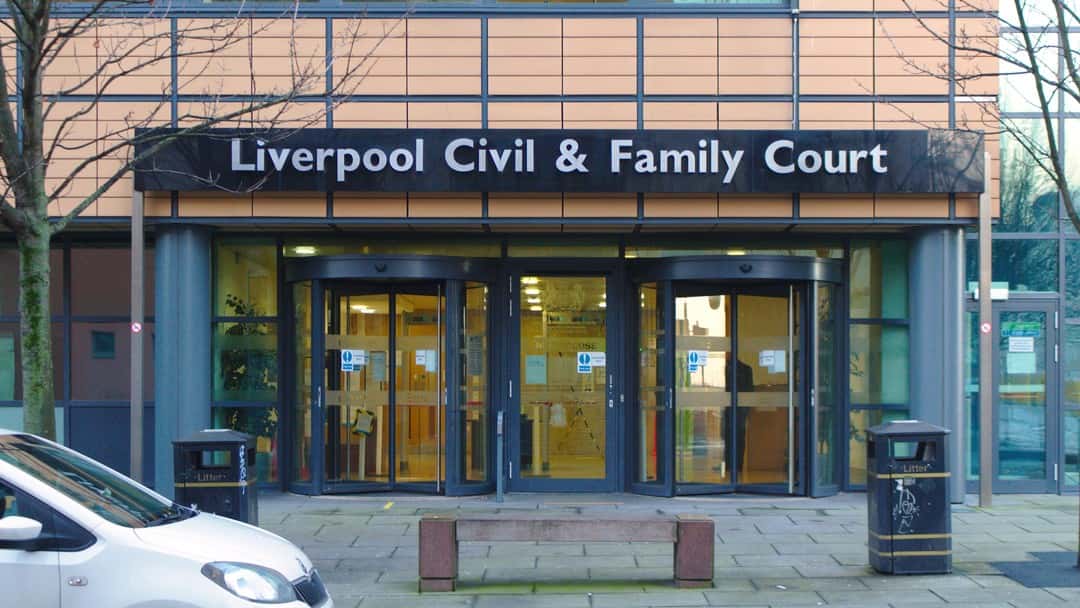
Greenpeace challenges Energy Transfer's bullying tactics
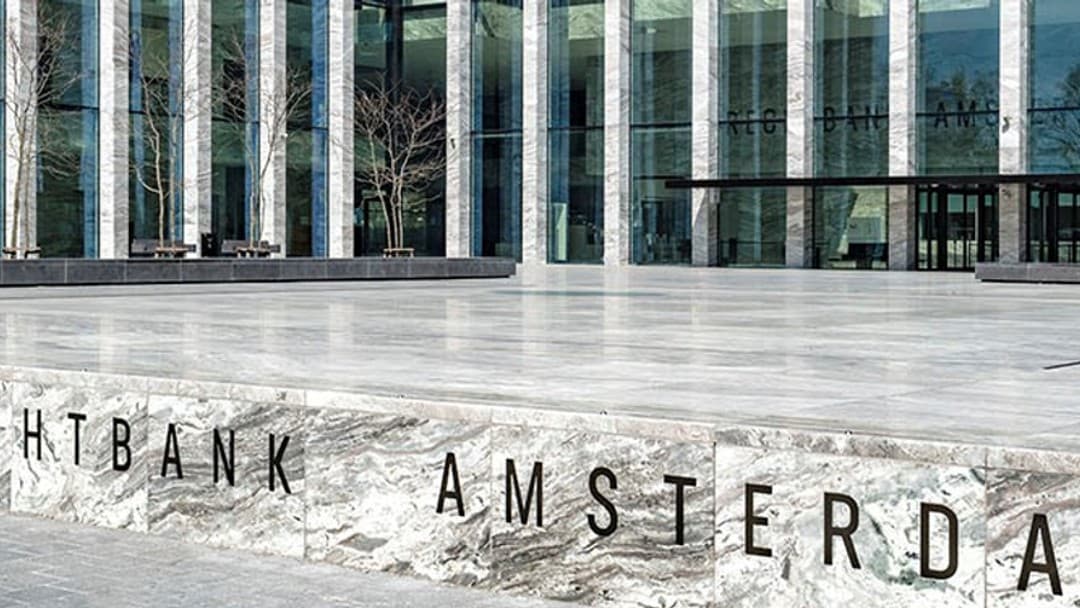
Greenpeace International has made significant progress in its anti-SLAPP lawsuit against Energy Transfer, ensuring accountability for unlawful actions
In a pivotal moment for Greenpeace International, the Amsterdam District Court has decisively rejected Energy Transfer’s attempt to dismiss the ongoing anti-SLAPP case. This lawsuit responds to a series of abusive legal actions initiated by Energy Transfer against Greenpeace organisations in the US, actions perceived as attempts to silence dissent and intimidate activists. Mads Christensen, Executive Director of Greenpeace International, expressed the urgency of holding powerful corporations accountable, stating that “people are tired of billionaires and their polluting corporations behaving like the law does not apply to them.” The court’s ruling signals a significant step forward in Greenpeace’s quest for legal recognition of Energy Transfer’s unlawful behaviour and a plea for relief from the harm caused.
The Amsterdam court dismissed Energy Transfer's arguments claiming the court lacked jurisdiction and also ruled against their request for a suspension of proceedings pending the outcome of a similar case in North Dakota. Having failed in their bid to halt the legal proceedings, Energy Transfer is required to submit a formal defence under Dutch law within six weeks, along with an order to pay Greenpeace International €1,495 in costs associated with the case.
In comments regarding the ruling, Daniel Simons, Senior Legal Counsel for Greenpeace International, noted that “for a third time, Energy Transfer has failed to halt our case,” highlighting the company’s ongoing efforts to evade accountability. He reaffirmed the commitment of Greenpeace International to challenge Energy Transfer on multiple fronts, with active litigation also ongoing in North Dakota. These actions are part of a broader strategy to mitigate the negative impacts of SLAPP lawsuits aimed at suppressing free speech and punishing those who oppose corporate practices, specifically within the context of the Dakota Access Pipeline.
Energy Transfer’s legal tactics have sparked widespread concern within the advocacy community, seen as attempts to undermine Indigenous leadership and stifle solidarity among activists. In response to this alarming trend, Greenpeace International has joined forces with noted artists such as Javier Bardem and Yasmin Finney to create a short film titled SLAPP Suit. This project aims to highlight the dangers of corporate bullying and inspire individuals to stand firm against these silencing tactics, underscoring that everyone possesses the strength to resist against oppression.
As the anti-SLAPP case unfolds in the Netherlands and the connected legal battle continues in North Dakota, Greenpeace International asserts that their fight represents a crucial stand for free speech and environmental justice against the formidable force of corporate might.
 Copyright & permissions




.jpg&w=3840&q=60)