
Grandparents’ rights and royal rifts: a Californian perspective

From Windsor to California courts, the law prioritises children’s interests over family status or sentiment
The continued estrangement of Prince Harry and Meghan Markle from the Royal Family—and reports that King Charles misses his grandchildren—have raised an important question: Does the British monarch, or any grandparent, have a legal “right” to see their grandchildren?
It’s one of those questions that seems simple on the surface but has proved inordinately difficult to answer. The idea gained popularity in the 1960s. As divorce rates increased, some parents chose to cut ties to their ex-spouse’s extended families. Grandparents fought back in court, eventually leading to changes in laws in some U.S. states and the U.K.
Even at their most permissive, none of those laws recognize a fundamental right for grandparents to dictate how a child is raised or whether they can spend time together. In the U.K., they allow grandparents to make their case in court for regular visitation, which is called a Child Arrangements Order while in California, the state recognizes grandparents' rights to see their grandchildren but balances them against the parents’ wishes.
Since the Sussexes now live in California, any legal dispute would probably take place on my home turf. Still, there are often limitations. In California, where I practice law, grandparents generally cannot even file a petition if the parents are married and living together, but they can file a legal case asking for a judge's permission for visitation if the parents are separated, divorced, or one has died.
It’s unlikely that King Charles would ever pursue legal action, but if he did, the case would be settled in California, rather than in the U.K.
When grandparents win these cases, it’s usually because they have already played a meaningful role in the child’s life or because a judge determines that visits would be in the best interest of the child. In a sense, there is more of a “grandchildren’s rights” aspect than anything else.
Efforts to lower this bar often fail. In 2018, some members of Parliament sought to change the law, arguing that grandparents, as well as aunts and uncles, should have a presumption of involvement unless it would create a problem, essentially flipping the responsibility onto parents.
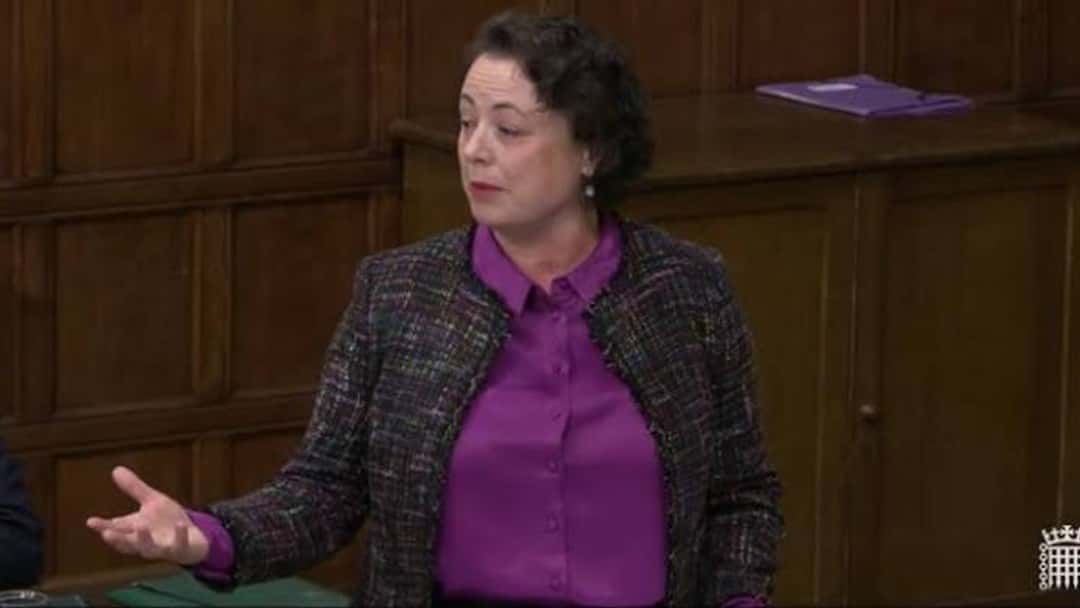
However, that effort failed. While there has been talk in the U.K. about removing these barriers, the current law still functions to prevent unwanted family litigation. These political arguments often revolve around hypotheticals and unverified anecdotes. One MP had heard of grandparents being accused of harassment just for sending birthday cards or Christmas gifts, but the reality is much more complicated.
While the Royal rift mostly concerns hurt feelings, some cases involve much more serious issues. A recent
 Copyright & permissions