Global justice still dominated by men
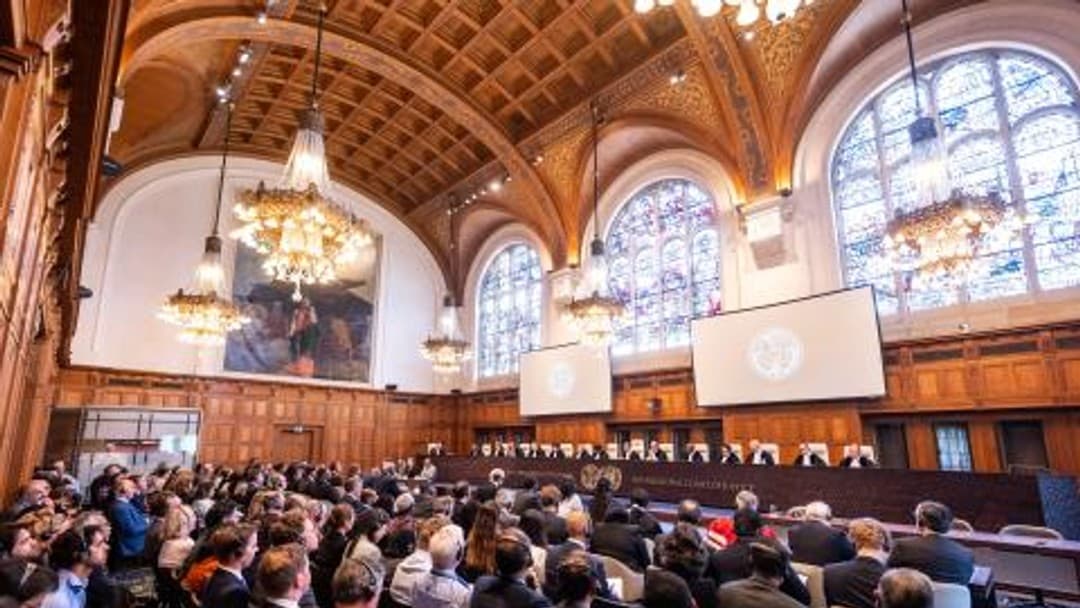
A new report highlights the alarming gender disparity in global justice institutions and calls for change
Global law and justice institutions are facing scrutiny as a recent analysis reveals that global justice is still predominantly shaped by men from affluent nations, raising significant concerns about accountability and legitimacy. The report, released by Global 50/50, highlights striking statistics that demonstrate the lack of representation for women, particularly those from low-income countries. Only 2% of 655 key positions across 22 international courts are filled by women from low-income nations, while nearly a third of the highest roles are occupied by men from the US and UK, raising questions about whose interests are truly being served in global justice systems.
In her foreword, María Fernanda Espinosa Garcés, former President of the United Nations General Assembly, stated, “It matters profoundly who holds power in the justice sector and how decisions are made. Institutions may aspire to neutrality, yet they are rooted in history and culture." The analysis found that out of 171 global law and justice organisations assessed, only 18% commit to collecting the necessary gender-disaggregated data to monitor progress. This lack of commitment to transparency and accountability threatens to undermine the very values these institutions are designed to uphold.
Despite women achieving close to equal representation with men overall, holding 43% of senior roles and 40% of top offices, deep-rooted inequalities still persist. For instance, women occupy a mere 29% of top roles in international courts and only 20% of global law firms are led by women. The report indicates a systemic issue where women are disproportionately represented in lower-status and lower-paid specialisations while failing to penetrate the higher-prestige realms of commercial law.
The report illustrates that these challenges are not confined to a single region but are prevalent across continents. In Africa and Asia, women may find opportunities to enter the legal profession but encounter barriers to leadership roles. In Latin America, while increased judicial participation is noted, outcomes remain inconsistent, reflecting a broader issue of gender inequity in law and justice.
The report highlights the positive implications of increasing female representation in courts. Women judges often impose tougher sentences on crimes affecting women and girls, showcasing an essential perspective that can contribute to gender justice. Greater diversity among judges and lawyers can help counteract implicit biases and promote fairer judgments, which is crucial for fostering public trust in judicial systems.
As Govindi Deerasinghe from Global 50/50's justice research team emphasised, “Organisations across the global law and justice sector must embody the principles of fairness and accountability they exist to uphold. Embedding gender justice within governance is not only right; it is essential to legitimacy, public trust and understanding who is left behind.” With a paradigm shift needed to address these disparities, institutions are urged to adopt robust gender equality policies and invest in data collection to ensure progress is made.
Mark Ellis, Executive Director of the International Bar Association, reinforced the need for diverse leadership by stating, "Justice systems are strongest when they reflect the societies they serve.” He reiterated the importance of the Global Justice 50/50 report in providing a foundation for collective action towards achieving gender balance in global law and justice frameworks. As the landscape evolves, the findings signal a crucial call for systemic changes and a commitment to inclusivity within justice institutions.
 Copyright & permissions