Getty Images case likely to disappoint

The Getty Images vs Stability AI case is not expected to significantly influence copyright law related to AI models
As the Getty Images vs Stability AI hearing reaches its conclusion, an intellectual property partner at an international law firm has labelled the case a "busted flush". This term reflects their belief that the outcome will not significantly impact the ongoing discussion surrounding copyright and artificial intelligence. According to the expert, this trial will not serve as a crucial legal precedent regarding whether AI developers can be held accountable for training generative AI models using copyrighted material. That opportunity, they argue, was missed last year when Getty Images could not prove that relevant training activities occurred in the UK.
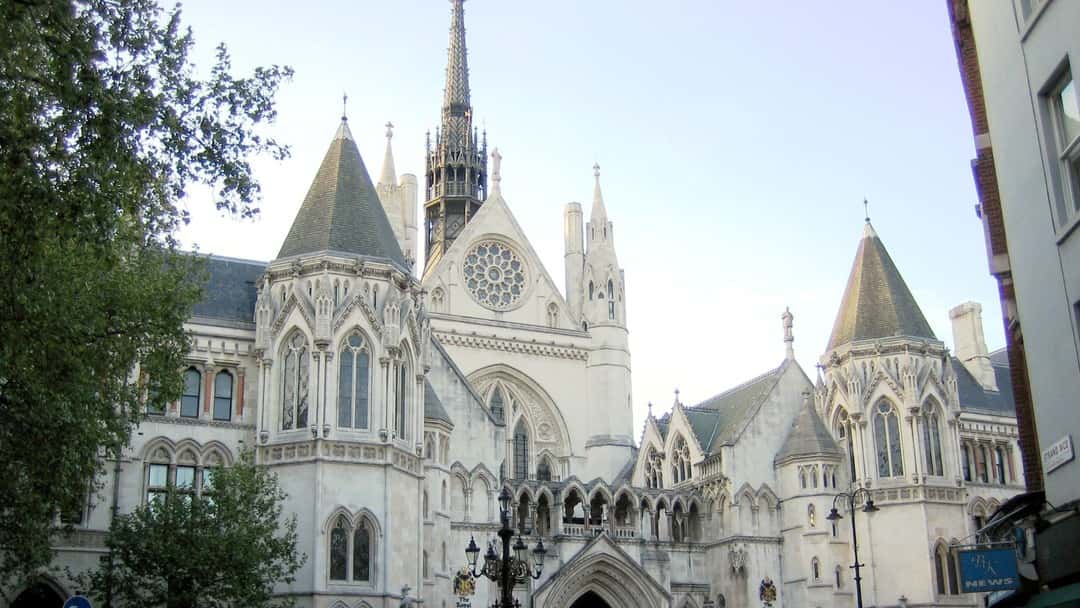
Currently, the Court of Appeal is focused on a more narrow question about whether making an AI model available in the UK infringes copyright due to possible embedded copies from activities conducted outside the country. The original trial judge dismissed this argument, transforming the appeal into a chance for Getty to address previous setbacks while contending with an interim order mandating it to pay over £4m towards Stability AI's legal expenses, in addition to its own.
The expert adds that, irrespective of the appeal's outcome, any victory for Getty is likely to be a pyrrhic one, unlikely to concern AI developers who are primarily worried about direct liability resulting from using copyrighted material during the training process. This broader issue is under debate in the United States, where over 180 cases are pending, often scrutinising whether the use of copyrighted works in training AI models fits under fair use provisions.
Getty has pursued the notion of secondary copying, focusing on the importation of trained model weights into the UK, even in instances where the finished model does not include protected images. Its stance is that even transient copies made during earlier stages of the training should be adequate to establish infringement. Getty argues that copyright laws should deter companies from relocating activities abroad that might otherwise constitute infringement if performed in the UK.
In support of Getty, the British Phonographic Industry (BPI) has intervened to challenge the original court's interpretation, warning it could generate a loophole that undermines protections. On the other hand, Stability AI asserts that the critical question is whether the article produced qualifies as a copy rather than investigating the entire creation process. They argue this issue revolves around jurisdiction and that disputes regarding the training process should be raised in the relevant legal territory.
During the appeal, one analogy addressed was whether baking a cake infringes copyright in the written recipe. Under Getty's interpretation, the complete cake could be seen as an infringing copy, even though it results from skill, experimentation, and trial and error, rather than merely reproducing the literary work.
The expert notes that the Court of Appeal seems inclined to adopt an approach that yields what it views as the right outcome for the current situation rather than taking a strictly forensic perspective on the inscriptions and wording of legislation. The anticipated judgement from the Court of Appeal is expected by early 2027. Nevertheless, the expert cautioned that litigation concerning AI remains in its infancy, with only a limited number of cases having been adjudicated globally and numerous other judgements forthcoming, especially in the United States. The ongoing challenge for courts remains their struggle to adapt to the rapid pace of technological advancement
 Copyright & permissions