Gable Insurance v Dewsall: Court of Appeal upholds finding that a director's excess payments were not dishonest
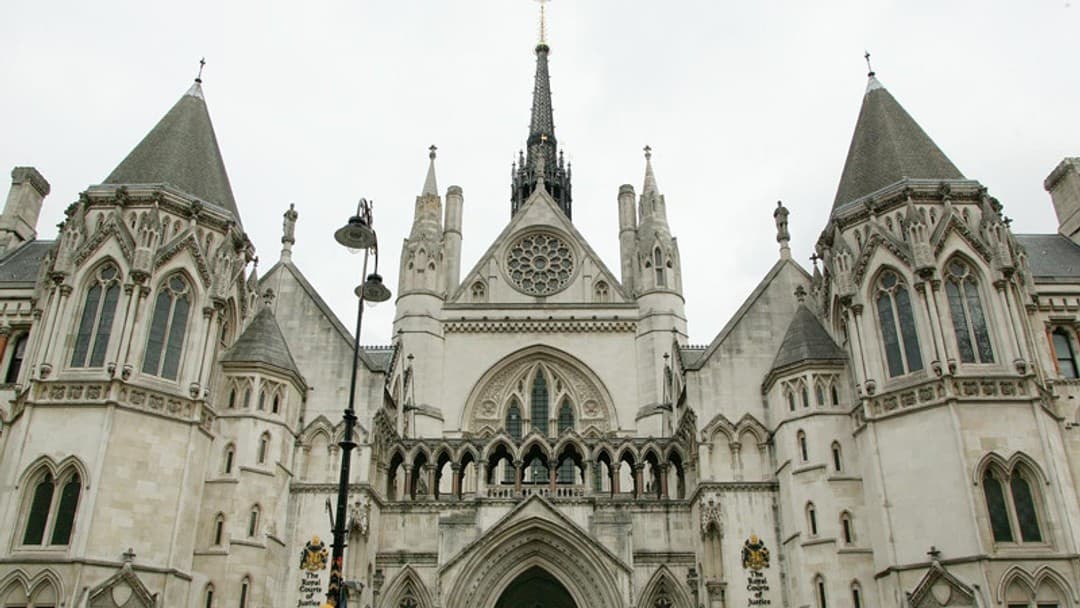
Appeal judges decline to disturb a trial ruling that certain payments involved no dishonesty.
The Court of Appeal has refused to overturn a finding that a former insurance chief executive did not act dishonestly in relation to part of a multi-million pound liability, in a decision that underlines the restraint appellate courts exercise over findings of fact.
Giving the lead judgement in Gable Insurance AG v Dewsall [2026] EWCA Civ 851, Lord Justice Newey, with whom Lady Justice Asplin and Lord Justice Baker agreed, dismissed an appeal by Gable Insurance AG against a decision of Robin Vos, sitting as a deputy High Court judge ([2025] EWHC 2280 (Ch)). The appeal turned on a single issue: whether the judge had been wrong not to find that particular breaches of director's duties by William Dewsall were dishonest.
Gable Insurance, a Liechtenstein underwriter, was owned by an AIM-listed Cayman company in which Mr Dewsall was the largest individual shareholder and group chief executive, with effective day-to-day control. A company he wholly owned, Hogarth Underwriting Agency, provided services under agreements establishing trust accounts whose funds belonged beneficially to the insurer. "Hogarth is me," Mr Dewsall told the trial. Hogarth's indebtedness to the insurer rose to some £3.24 million by mid-2016, recorded as a balance outstanding rather than a loan, as the insurer's solvency deteriorated and the Liechtenstein regulator ultimately placed it into administration and liquidation.
The trial judge found Mr Dewsall liable for breaches totalling £4,957,788.52 and identified dishonesty in several respects, including diversions of funds, payments made in breach of a regulatory order, and withdrawals from the trust accounts. Crucially, however, he found dishonesty in relation to the "excessive payments" to Hogarth only to the extent they derived from the trust accounts, some £1.53 million, and not as regards the balance of roughly £1.71 million paid from the insurer's own accounts. The distinction mattered because a bankruptcy order had been made against Mr Dewsall, and section 281(3) of the Insolvency Act 1986 preserves debts arising from fraud or fraudulent breach of trust on discharge.
Gable's ground of appeal was that the judge had erred at paragraph 221 in treating the non-trust payments as honest. Stephen Auld KC, for the insurer, argued that the judge had applied the first, subjective limb of the test in Ivey v Genting Casinos UK Ltd [2018] AC 391, ascertaining Mr Dewsall's belief, but had failed to apply the second, objective limb by reference to the standards of ordinary decent people. Given findings of dishonesty elsewhere, he submitted, there was no rational basis to distinguish between the sources of the money.
Newey LJ rejected the argument. The judge had expressly directed himself to Ivey, and his language showed he had applied both limbs, summarising Mr Dewsall's belief that the payments were authorised by the relevant boards, disclosed to the auditor and covered by a guarantee, before concluding that dishonesty could not be made out on the objective standard. The unusual placement of that conclusion did not vitiate it, since there is no single way to structure a judgement.
Applying Henderson v Foxworth Investments Ltd [2014] 1 WLR 2600, together with Fage, Volpi and DPP Law Ltd v Greenberg, the court held that the finding was one a reasonable judge could reach. A rational distinction existed between the two categories, as the trust account payments were made in breach of an express trust. The finding could not be said to be one that no reasonable judge could have reached, and the appeal was dismissed.
 Copyright & permissions