FNB v Home Secretary: High Court finds Home Office breached duty of candour over detention accommodation
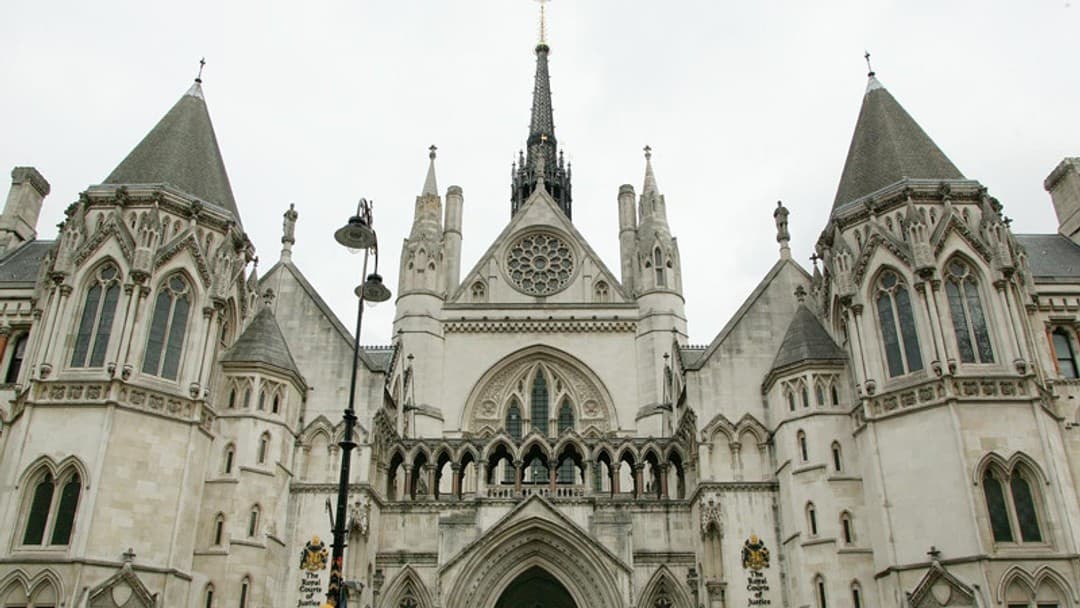
Home Office concedes unlawful Article 8 interference after misleading court over family detention accommodation.
The High Court has found that the Home Office seriously breached its duty of candour in judicial review proceedings brought by an Indian couple who were separated by sex while held in immigration detention, after it emerged that the department had misrepresented its ability to house them together.
The claimants, FNB and FNN, married Indian nationals of the Hindu and Muslim faiths respectively, were granted anonymity in the proceedings before Simon Tinkler, sitting as a Deputy Judge of the High Court. Having overstayed their leave to remain, they claimed asylum in March 2025 on the basis of a feared persecution in India arising from their interfaith marriage. The Secretary of State for the Home Department refused the claim in August 2025 and certified it as "clearly unfounded," removing any right of appeal. The couple were detained the following month pending removal and held separately, FNB in female accommodation and FNN in male accommodation, before being released in October 2025 and issuing judicial review proceedings.
Four grounds were argued. The first, that the certification decision was procedurally unfair, was rejected. Applying the well-established context-sensitive approach to procedural fairness derived from Ex p Doody and more recent authorities including Pyaneandee v Lang Shang Lam and Singaram v Secretary of State for the Home Department, the judge found that FNB, a university-educated claimant interviewed at length, had been given adequate opportunity to explain the persecution she feared and from whom, and had not been prevented from raising further matters. The absence of legal representation at interview did not, on the facts, render the process unfair.
The second ground, that certification of the claim as clearly unfounded was irrational, also failed. Applying the test in ZT (Kosovo), the judge held that country guidance material showed India contained places where interfaith couples could safely live, and that the claimants' personal evidence, even taken at its highest, did not displace that conclusion. A subsequent reconsideration of the claim, prompted by settlement negotiations and undertaken with the benefit of new evidence not before the original decision maker, was found not to undermine the rationality of the original decision.
The third ground fared differently. The claimants argued that housing them separately during detention breached their right to family life under Article 8 ECHR. The Home Office had maintained throughout pre-action correspondence and much of the trial that a genuine, individualised decision had been taken not to place them in family accommodation. On the second day of the hearing, however, the department conceded the point after disclosing evidence that no adult family accommodation had existed anywhere in the immigration detention estate since 2020. The judge found the earlier pleaded defence, which had referred to "flexibility" within a policy that could not in fact be complied with, to have been misleading, and described the episode as a serious failure of the duty of candour owed to the court.
The claim for damages arising from the unlawful separation was allowed to proceed, but the assessment of quantum has been transferred to the county court, alongside consideration of expert medical evidence on the effects of detention that had been stayed pending the outcome of the substantive hearing. The judge declined to make further findings on proportionality beyond those necessary to resolve the grounds before him, leaving the wider factual assessment to the damages hearing. He indicated that the Home Office should urgently review other cases raising similar issues to ensure courts are not misled in future.
 Copyright & permissions








.jpg&w=3840&q=60)