Flowerbx v Flowers Box London: IPEC finds trade mark infringement despite descriptiveness challenge
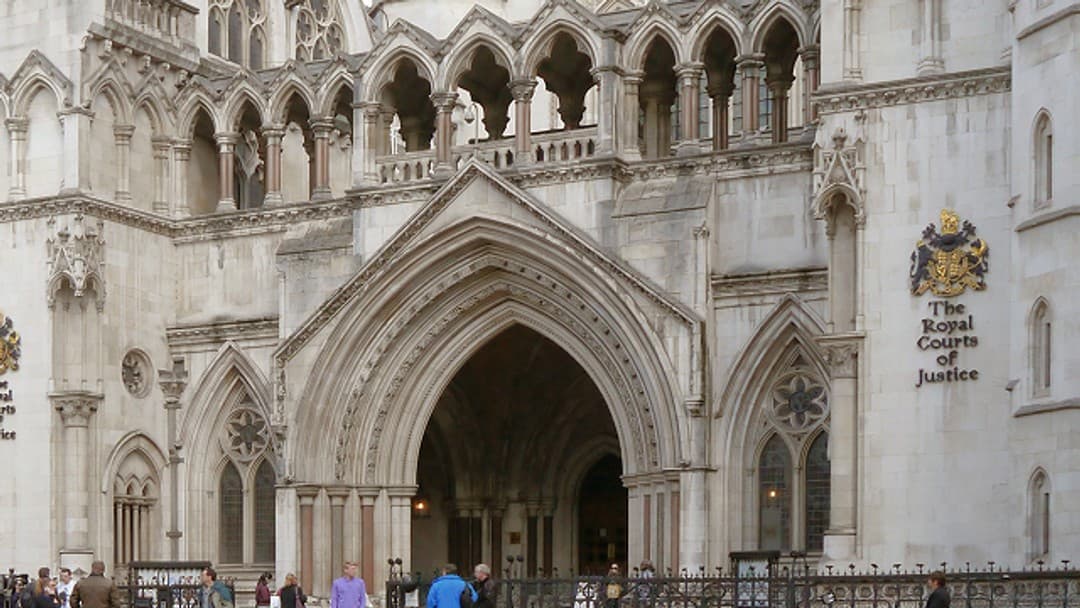
IPEC rules Flowerbx trade mark valid and infringed by rival flower delivery business Flowers Box.
The Intellectual Property Enterprise Court has ruled that the registered trade mark FLOWERBX is valid and has been infringed by a rival online florist trading as Flowers Box London, rejecting arguments that the mark was merely descriptive of a box containing flowers.
Handing down judgement in Flowerbx Limited v Flowers Box London Limited [2026] EWHC 2233 (IPEC), Miss Recorder Amanda Michaels, sitting as a Deputy Judge, found in favour of the claimant on liability following a two day trial concerning use of the signs FLOWERSBOX, FLOWERS BOX and FLOWERS BOX LONDON. Flowerbx, founded in 2015 by a former Gucci and Tom Ford executive, built a reputation supplying flowers to the luxury fashion and events sector before expanding into direct to consumer sales. Flowers Box London began as a sole trader operation selling flowers through online marketplaces in 2017 before incorporating in 2019 and later moving into higher value floral arrangements.
The defendant counterclaimed that the FLOWERBX mark should be declared invalid under section 3(1)(c) of the Trade Marks Act 1994 on the basis that it was descriptive, essentially amounting to the words "flower box". The judge rejected this. While accepting that the mark was pronounced and understood as those two words, she found no evidence that the relevant public would recognise "flower box" as describing any characteristic of the specific goods and services covered by the challenged parts of the registration, which included cut flowers, plants and related retail services rather than any form of packaging or container. She further found that the mark had, in any event, acquired an enhanced distinctive character well before the defendant's incorporation, pointing to substantial marketing spend, national press coverage and high profile collaborations with fashion brands and events.
On infringement, the judge undertook a global assessment of the similarity between the mark and the various signs used by the defendant, finding a high degree of visual, aural and conceptual similarity even where the word London or a stylised letter B was added. She placed significant weight on an extensive body of evidence showing genuine customer confusion, including misdirected complaints, mistaken orders, and business enquiries intended for the claimant but sent to the defendant, several of which referenced the two brands being easily mixed up. Although the defendant argued that these amounted to no more than administrative errors after the point of sale, the judge, applying recent Court of Appeal authority on the relevance of such evidence, found the pattern of confusion too extensive to be explained away and concluded there was a clear likelihood of confusion under section 10(2)(b) of the Act.
The claim also succeeded under section 10(3). The judge found that the claimant had established a reputation for luxury floral design predating the defendant's incorporation, and that the defendant's use of the signs had taken unfair advantage of that reputation by allowing it to benefit from consumers seeking out the claimant. A separate case based on detriment to the distinctiveness or reputation of the mark was not made out on the evidence available. The judge also rejected a due cause defence, noting that awareness of the confusion from at least mid-2019 undermined any suggestion that continued use of the signs could be regarded as innocent.
The counterclaim for invalidity was dismissed in full, and the court found the mark to be both valid and infringed, with the question of remedies to be determined separately.
 Copyright & permissions