Exeter City Council v Macklin: High Court holds Topsham museum bequest was a beneficial gift, not a trust
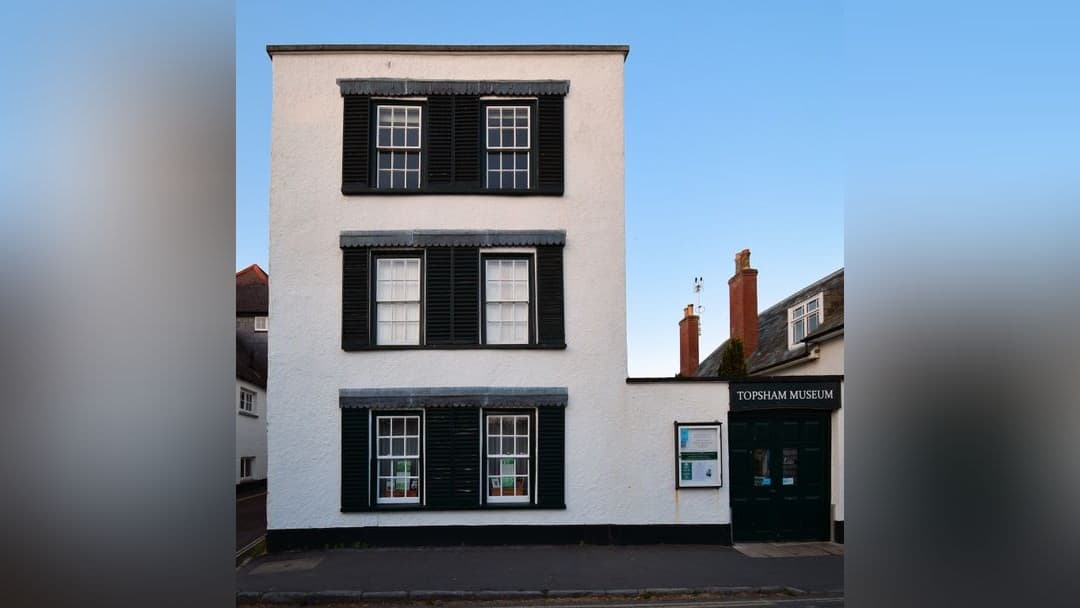
High Court finds conditional will gift to council carried no trust obligations.
A conditional devise of a historic merchant's house to a local authority, made so that it could continue as a museum, was a beneficial gift and not a gift on trust, the High Court has held.
HHJ Paul Matthews, sitting as a judge of the High Court in Bristol, gave judgement in Exeter City Council v Macklin and Gaye [2026] EWHC 2636 (BP) on 16 October 2026. The case concerns a 1980 will and a short memorandum of wishes left by a testatrix who founded a museum in the Grade II listed Topsham property and died in 1983.
Repairs and a question of ownership
The council sought a declaration that the gift was absolute or, failing that, directions on the terms of any trust. The building needs urgent structural work, with a budget of about £430,000 already raised and a further £500,000 now estimated. The council cannot fund this from existing budgets, and says its options, including borrowing against the property or commercial leasing, depend on whether it is beneficial owner. The museum has been closed since December 2024 and its charitable operator holds a protected lease.
The executors, who did not appear, supported the claim. The museum's trustees did not join the proceedings but submitted that the council owes a fiduciary duty to uphold the testatrix's wishes.
Conditions, not a trust
The will devised the property to the council in fee simple, subject to conditions. Clause 10(1)(a) required the council, within six months of death, to resolve to accept the property and to resolve that it intended to use it in accordance with any memorandum of wishes. The memorandum, which was unwitnessed and so not testamentary, expressed hopes that the house would remain a museum. It added a wish that, if the house became unsuitable, it be sold and the proceeds applied to another Topsham museum.
The judge applied Marley v Rawlings but, drawing on Barnardo's v Buckinghamshire, reiterated that wills are professionally drafted instruments operating over the long term, which gives textual analysis particular weight. Precatory language is not ordinarily read as imposing an obligation. A direction that the property must be used as a museum and for no other purpose would have indicated a trust.
The condition looked to the council's intention at the time of its resolution, not to any undertaking about the future. The judge contrasted clause 10(1)(d), which clearly obliged the council to grant rent-free licences to named relatives who asked. He concluded that the gift, though conditional, became beneficial once the conditions were met.
Extrinsic evidence and constructive trust
Had the will been ambiguous, section 21(1)(b) of the Administration of Justice Act 1982 would have admitted evidence of intention, and the judge said that evidence would have strengthened his view. The memorandum's wish about sale proceeds would have been unnecessary if the property were already held on trust for museum use.
On constructive trust, he reviewed Binions v Evans, Ashburn Anstalt v Arnold, Lloyd v Dugdale and Chaudhary v Yavuz, describing the test as stringent. A council that professed an intention to keep the museum while secretly planning an immediate sale might face an argument based on inequitable conduct, but that was not this case, since the council had allowed museum use for more than 40 years.
The council therefore has no fiduciary or other legal duty to preserve the property as a museum. The judge expected it to keep the testatrix's wishes in view, and said that, as a public body, it was unlikely to depart from them lightly. As a matter of property and trust law, however, it may do so.
 Copyright & permissions

-cropped-a0w29ejw.jpg&w=3840&q=60)