Evans v Swansea Building Society: Court of Appeal refuses injunction over disputed charge
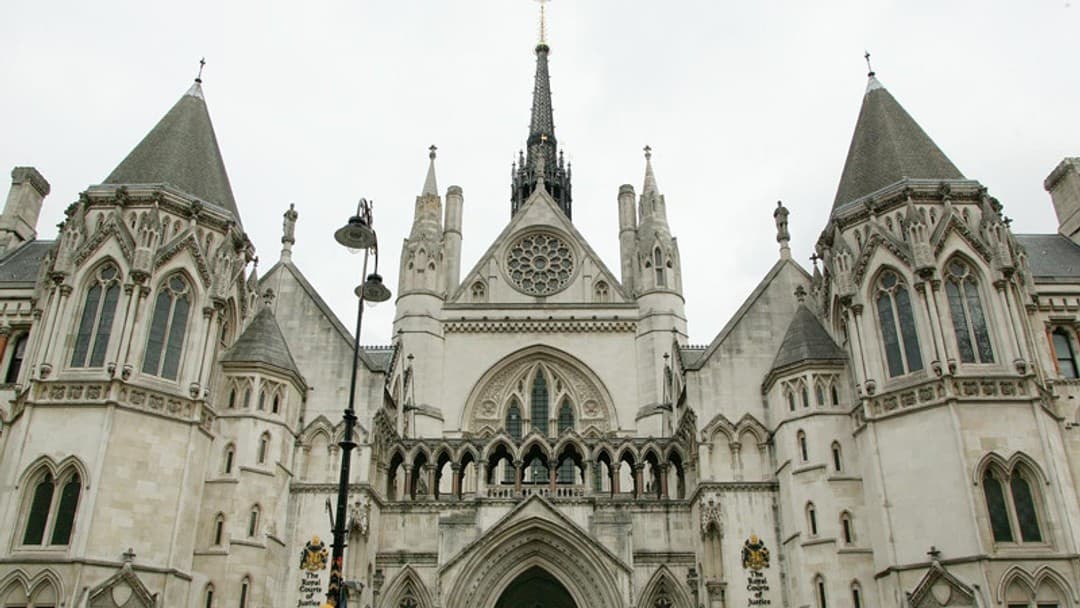
Court of Appeal dismisses fresh evidence and injunction bids in long-running Swansea possession dispute.
The Court of Appeal has allowed a narrow procedural appeal brought by a couple who lost their Swansea home to repossession, while dismissing their attempts to introduce fresh evidence challenging the underlying mortgage and to block the sale of the property.
In Paul Morgan Evans & Anor v Swansea Building Society [2026] EWCA Civ 978, Lord Justice Dove, with whom Lord Justice Miles and Lord Justice Zacaroli agreed, found that Mr Justice Ritchie had been wrong to strike out an email request from Paul Morgan Evans and Susannah Evans for an oral reconsideration of a refusal of permission to appeal. Since Ritchie J had not made an order under CPR 52.4(3) barring such a request, the appellants remained entitled to seek reconsideration at a hearing, and this could properly be done by email rather than a formal application notice.
Swansea Building Society did not resist the appeal on that limited point, accepting there was little practical benefit in contesting it given that success would only trigger an oral reconsideration it considered doomed to fail in any event. Rather than remitting the matter to the High Court, the Court of Appeal exercised its own powers to determine the reconsideration, concluding that the underlying application for permission to appeal remained totally without merit.
The dispute traces back to a 2018 mortgage the appellants took out to purchase 71 Mumbles Road, later replaced by a further £770,000 interest-only facility in 2020. When that facility expired in October 2023 without repayment, the society issued possession proceedings, which succeeded before Deputy District Judge Wilson in 2024 on the basis of breaches including the unauthorised demolition of the property and non-disclosure of the appellants' previous bankruptcies and an earlier charging order. Successive applications for permission to appeal that possession order, and related case management decisions, were refused and certified as totally without merit, culminating in limited civil restraint orders against both appellants in December 2025 and, later, extended civil restraint orders following a fourth set of proceedings.
Before the Court of Appeal, the appellants sought to rely on fresh evidence concerning the execution of the 2018 charge, including an account of a telephone call with the solicitors' former receptionist who had witnessed the document, and queries over crossed-out signatures on the deed. Lord Justice Dove regarded this evidence as of little weight, noting the witness's address discrepancy was immaterial and that the corrections to the deed were consistent with routine steps taken to satisfy Land Registry requirements. He further observed that, even had the legal charge been defective, the appellants' 2020 mortgage offer independently created an equitable charge over the property sufficient to found the possession claim.
The court also refused an injunction sought to prevent the sale of the property, by then a cleared building plot, which the society had agreed to sell for £900,000 against the appellants' contention that it was worth £1.2 million. Lord Justice Dove found no serious issue to be tried and held that the balance of convenience favoured the society, given the appellants' inability to offer a meaningful cross-undertaking in damages, their significant outstanding debts, and the prejudice to the society in being denied realisation of its security after protracted litigation.
The appeal was accordingly allowed only on the narrow procedural ground, with the substantive applications for fresh evidence, amended grounds and injunctive relief all dismissed.
 Copyright & permissions








.jpg&w=3840&q=60)