Emma Rowell’s journey through brain injury
Emma Rowell’s story highlights the importance of recognising long-term brain injury symptoms affecting thousands in the UK
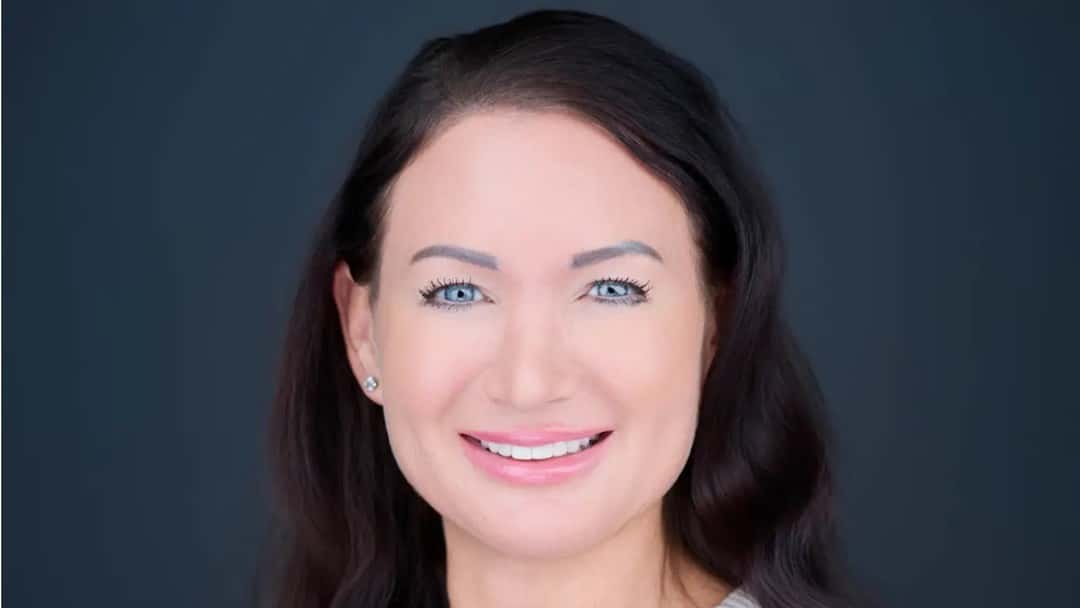
Emma Rowell, a passionate bookshop owner from Barnard Castle, faced a year of misdiagnosis after sustaining a traumatic brain injury in a car accident that left her grappling with debilitating symptoms. Initially dismissed by medical professionals who attributed her struggles to perimenopause or even her personality, Emma's turning point came after she completed an online survey by a consultant neurologist. This led to an advanced brain scan that revealed 22 areas of damage to her brain, revealing the extent of her injuries.
"I've lost the person I was and it took me over a year to find out why," Emma expresses. Despite her outward appearance suggesting normalcy, she continues to wrestle with everyday tasks that once came easily to her. Emma's experience underscores a broader issue highlighted in a new study by Coulthursts Solicitors, which estimates that 250,000 people in England and Wales suffer from undiagnosed brain injuries annually. The report challenges the misconception that concussion is merely a short-term ailment, revealing that many individuals do not return to their pre-injury health.
Philip Coulthurst, founder of Coulthursts Solicitors, states, "Emma's story is heartbreaking, but unfortunately, it reflects a pattern I have been seeing for years now." He explains that the technology currently employed in hospitals often fails to detect the subtle and damaging effects of mild traumatic brain injuries (mTBI). While CT scans are designed to identify critical injuries, they miss microscopic damage that leads to persistent symptoms like memory loss, mood changes, and concentration difficulties.
Given the limitations of diagnostic technology, many patients are left feeling as if nothing is wrong when, in fact, they are experiencing significant challenges. This lack of understanding about mTBI can be isolating, but Emma is now advocating for awareness and encouraging anyone suffering from similar symptoms to seek help.
Working with Philip Coulthurst, she hopes to inspire others to recognise the signs of mTBI and not to ignore their symptoms, even if initial scans appear normal. Philip has developed a Post Concussion Symptom Checker, which aims to assist individuals in identifying whether their ongoing struggles may relate to an undiagnosed brain injury.
As Emma's journey demonstrates, understanding the underlying causes of her symptoms has empowered her to find coping mechanisms and advocate for better awareness surrounding brain injuries. Those who suspect they may be dealing with the aftereffects of a head injury should not hesitate to seek further medical advice and support.
 Copyright & permissions