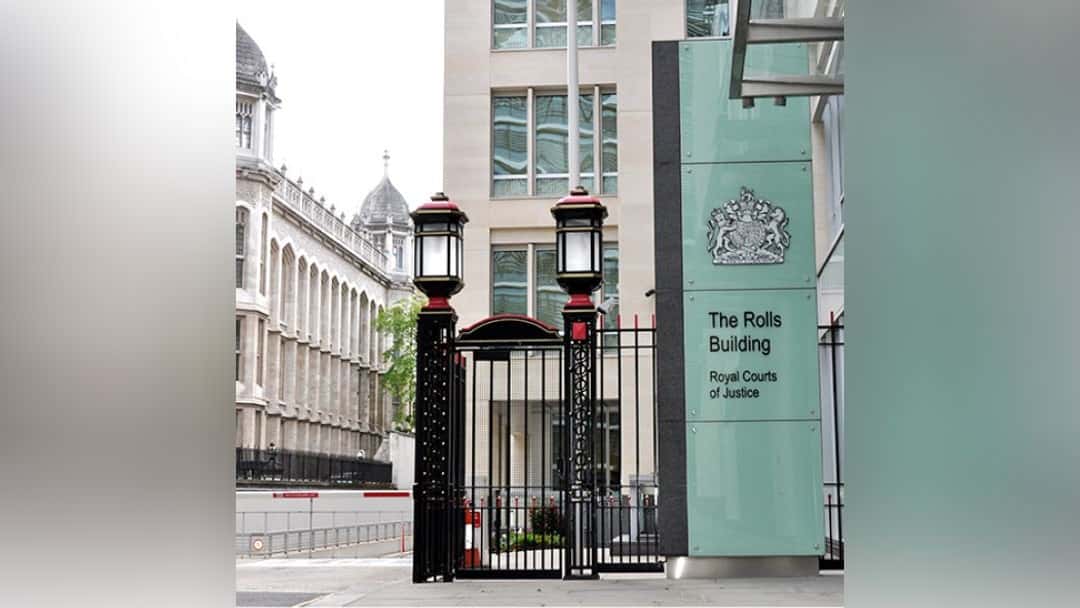
Emirates NBD Bank v Al Kuwari: owning a £115m London palace is not enough to serve a bankruptcy petition
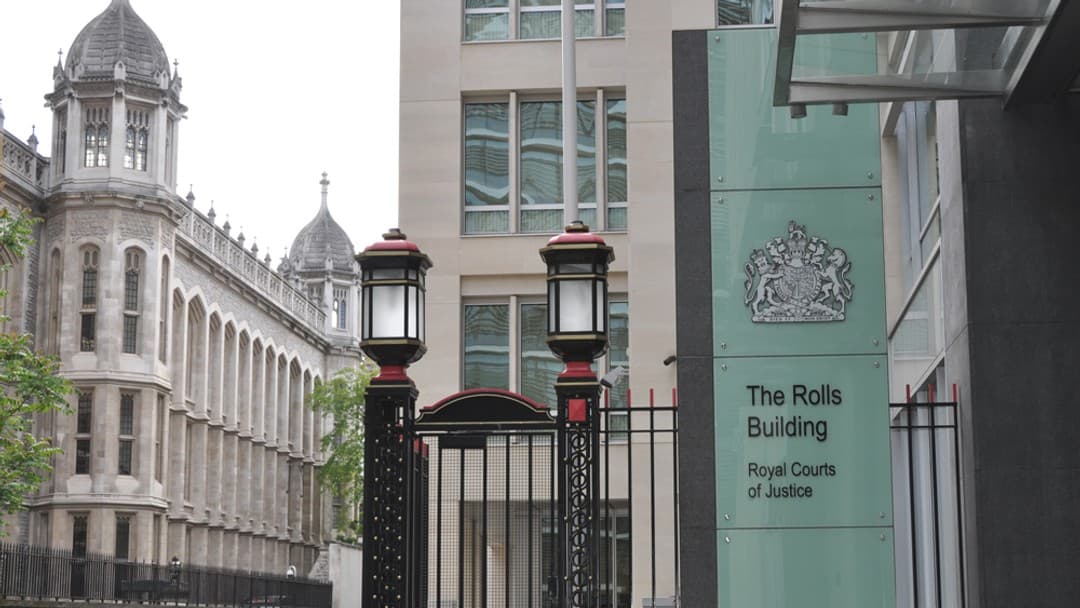
A Qatari billionaire's London properties could not anchor jurisdiction for service when he was abroad and untried in Qatar.
A bank pursuing a £16 million judgment debt against one of Qatar's most prominent businessmen has had its bankruptcy petition derailed — not on the merits, but because it tried to serve him by alternative means in London while he was in Doha, and had never once attempted service in Qatar. The judgement of ICC Judge Greenwood in Emirates NBD Bank PJSC v Ghanim Bin Saad Majid Al Saad Al Kuwari [2026] EWHC 1468 (Ch) is a sharp lesson in the limits of creative service on wealthy absentee debtors, and in the distinction between a court's statutory jurisdiction to make a bankruptcy order and its adjudicatory jurisdiction over any given person.
The facts are vivid. Mr Ghanim owns, through BVI companies, three adjoining properties on Queen Anne's Gate described by Savills in 2022 as "a personalised palace in St James Park" worth approximately £115 million. Emirates NBD had obtained a Dubai Court judgment against him in October 2023, upheld on appeal and then converted by English default judgment in February 2025 into a £16 million debt. After repeated failures to serve the bankruptcy petition personally at the London properties in July 2025 — each time met by security staff insisting Mr Ghanim did not reside there — the bank obtained an ex parte order from ICCJ Agnello permitting alternative service by advertisement and email. That order was sealed on 11 August 2025 and served the following day. Mr Ghanim applied to set it aside.
The bank's central argument was that the court's jurisdiction in bankruptcy proceedings is conferred by section 265 of the Insolvency Act 1986, which turns on whether a debtor has a place of residence in England and Wales, and that this statutory foundation meant the court could assume power over Mr Ghanim without needing to worry about whether he was personally present at the moment of service or whether permission to serve abroad was required. That argument was rejected as a confusion of two distinct concepts. Section 265 determines whether a bankruptcy order can ultimately be made; it says nothing about whether the court can assume adjudicatory jurisdiction over a specific individual without valid service. That requires the debtor's personal presence in the jurisdiction at the time of service or an order permitting service outside it. The Court of Appeal's decision in Fridman v Agrofrima Oniks LLC [2026] EWCA Civ 139, and HHJ Matthews' analysis in Broom v Aguilar [2024] EWHC 1764 (Ch), were held to apply with equal force to bankruptcy proceedings as to Part 7 claims.
This matters because it closes a gap that creditors' solicitors might otherwise have been tempted to exploit. Securing an alternative service order for delivery within England does not cure the absence of permission to serve outside it. A creditor who goes down that route, without seeking permission to serve abroad, takes the risk that the debtor turns out to have been elsewhere. Here, that risk matured.
The presence question was equally fatal on its own facts. Mr Ghanim had visited London eleven times in the preceding three years, usually for less than a week. The judge found there was simply no plausible evidential basis for saying he was present in England between 8 and 12 August 2025. His unchallenged evidence was that he had been in Qatar throughout August. The bank made no application to adjourn and investigate further. Evidence of a debtor's place of residence and evidence of his personal presence at a particular time are different things, and the bank conflated them.
The third failure compounded the first two. The test for alternative service under the Insolvency Rules is impracticability, and it is difficult to establish impracticability where service in Qatar had not been attempted at all. The court observed that service on a wealthy man with extensive business premises and a household in Doha may well have proved difficult, but that could only be assessed after trying.
Creditors pursuing international debtors with assets and properties in England would do well to map the full picture before seeking alternative service orders. Wealth, property, and residence are powerful factors in establishing jurisdiction under section 265. They are not, on their own, sufficient to place a debtor within the English court's power if he is not physically here when you serve him.
Emirates NBD Bank PJSC v Ghanim Bin Saad Majid Al Saad Al Kuwari [2026] EWHC 1468 (Ch). Judgement of ICC Judge Greenwood, 16 June 2026.
 Copyright & permissions