Emerging Media Ventures v Kundra: High Court enforces Rajasthan Royals settlement with permanent anti-suit injunction
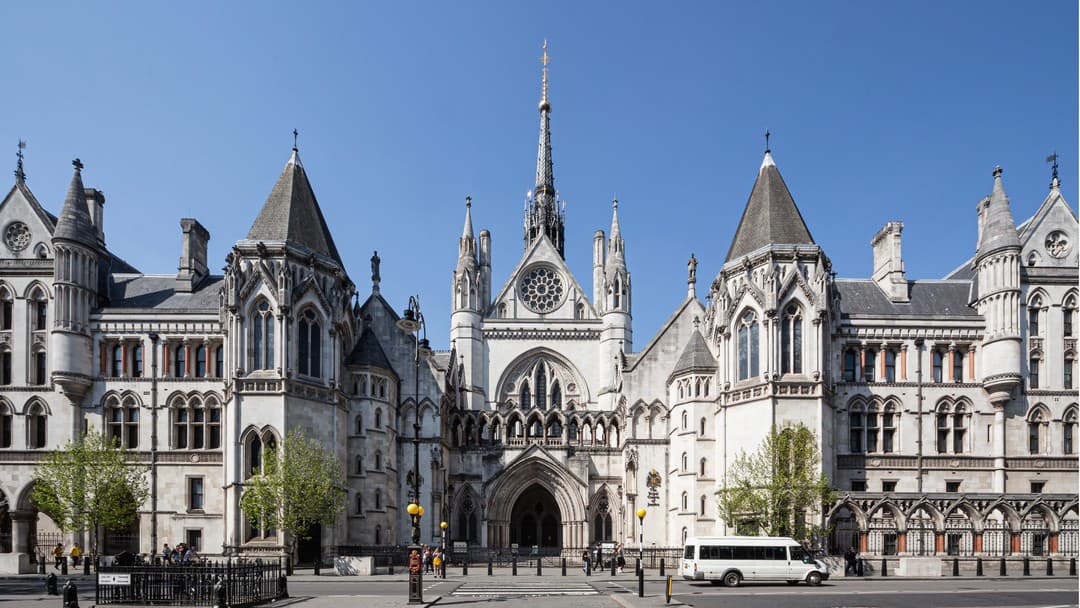
Summary judgement granted in defendants' absence after they filed no evidence at all.
A businessman who used social media and private messages to reopen a settled dispute over his former stake in an Indian Premier League franchise has been ordered to repay almost US$5 million and restrained from pursuing parallel proceedings in India.
In Emerging Media Ventures Ltd and Badale v Kundra and Kuki Investments Ltd [2026] EWHC 1803 (KB), handed down on 16 July 2026, Mr Justice Griffiths granted summary judgement on the contract claims, six declarations, injunctions mirroring the settlement's undertakings, and a permanent anti-suit injunction.
Raj Kundra's family trust acquired an 11.7% interest in the holding company of the Rajasthan Royals in 2009. After the Supreme Court of India found in 2015 that he had bet on IPL matches, he gave up the shares under a Share Transfer Agreement, having undertaken by affidavit to transfer his beneficial ownership. Disputes followed, resolved by a 2019 settlement under which he received substantial payments in exchange for irrevocable undertakings never to claim any interest in the franchise, not to initiate complaints or proceedings, and not to disparage or refer to the shareholders.
In May 2025 he emailed Manoj Badale demanding a fair settlement and threatening public disclosure, messaged the franchise chairman, and posted on X, Instagram and LinkedIn promising documented evidence of financial misconduct. A telephone call to a former operations director followed, in which he pressed for a message to be relayed that a filmed press conference could see the team terminated. Griffiths J found each communication on its face breached clauses 2(iv)(a), (b), (c), (d) and (h), entitling termination under clause 8(i).
The defendants did not appear. Applying Pirtek v Jackson, Griffiths J found they had proper notice, had negotiated an extension of time for evidence, and had been offered a remote link kept open for four hours. Kundra replied from Japan citing connection issues; the court found there were none, and that a permission to travel granted in India was not a requirement to do so.
Most significantly, no evidence was filed. The pleaded defence and counterclaim, alleging misrepresentation, breach of fiduciary duty and unconscionable bargain, was a draft never filed and unsupported by any witness statement. Citing Iqbal v Geo TV, Griffiths J held a party relying on evidence that may become available at trial must serve evidence substantiating that prospect rather than invite speculation. It was just as likely a party who did not engage at the summary judgement stage would not engage at trial, in which case a trial would cause delay and cost without serving justice.
Public policy arguments against the non-disparagement and no-publicity clauses failed. Following Mionis v Democratic Press and Smith v Backhouse, a strong case is needed before a court declines to enforce a settlement negotiated with expert legal advice on both sides. The defendants had instructed Holman Fenwick Willan and had not raised regulatory concerns before signing. A proviso preserving good faith disclosure to police, investigatory authorities and courts was accepted.
The anti-suit injunction restrains a minority oppression petition before the National Company Law Tribunal and a Bombay High Court action seeking to declare the English interim injunction void in India. Uncontradicted expert evidence from a retired Supreme Court judge described the overlap with the English claim as material and substantial, and the petition as not maintainable. Both were unconscionable and the natural forum was England, notwithstanding the non-exclusive jurisdiction clause.
The claimants, represented by Adam Speker KC, Emma Horner and Nicholas Wright, were refused default judgement on an unlawful means conspiracy claim founded on alleged blackmail. It claimed the same sums as the contract claims, the tort requires proof of loss, and the time for election between inconsistent remedies is when judgement is entered.
Indemnity claims for legal and professional costs will go to a Master for assessment.
 Copyright & permissions