easyGroup v Cubico: IPEC dismisses trade mark claim against Easy Bathrooms and rejects 'easy' family of marks
IPEC dismisses easyGroup's infringement and passing off claims against Easy Bathrooms and rejects its pleaded family of marks.
The Intellectual Property Enterprise Court has dismissed easyGroup's trade mark infringement and passing off claims against Cubico (UK) Limited, which trades as Easy Bathrooms, in the latest of the brand owner's long line of actions against businesses using the word "easy".
In easyGroup Limited v Cubico (UK) Limited [2026] EWHC 1645 (IPEC), Her Honour Judge Melissa Clarke, sitting as a High Court judge, rejected the claims under sections 10(2)(b) and 10(3) of the Trade Marks Act 1994, in passing off, and for revocation and invalidity of Cubico's own registrations.
Background
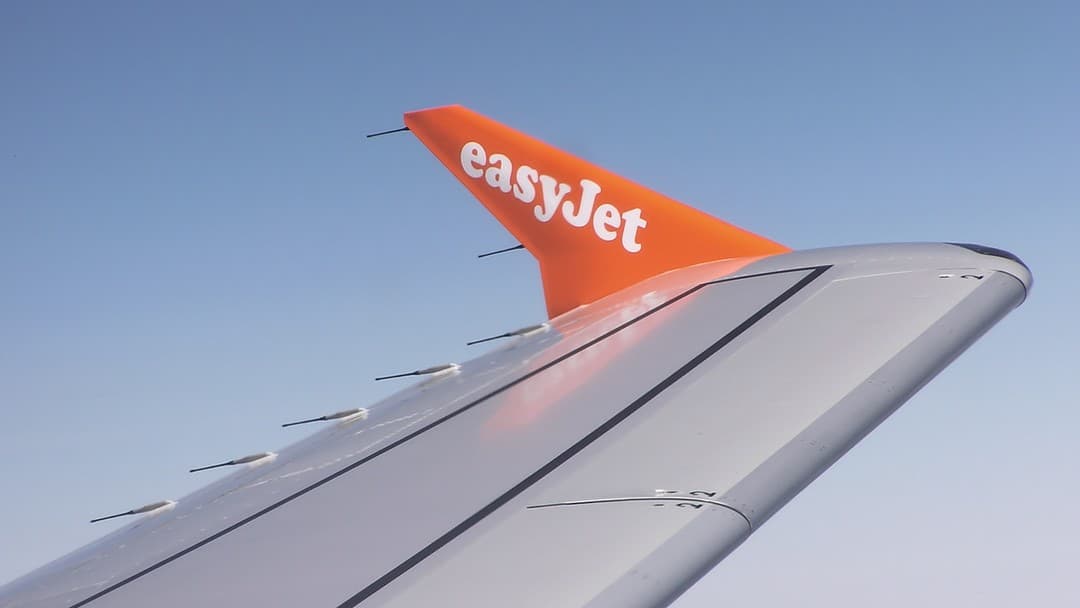
Cubico has supplied bathroom goods under the Easy Bathrooms name since summer 2013, growing to around 150 UK showrooms and a turnover of £110 million. easyGroup relied on a portfolio of registered marks, including easyJet, easyHotel, easylife and easy Windsurfing, and asserted an "easy family of marks" and that it had educated the public to associate any "easy" brand with the group.
During the litigation the easy Mark was revoked by the IPO for non-use and invalidated with effect from July 2011, requiring changes to the judgement in draft.
The family of marks
The judge declined to find that the pleaded family of marks existed at the relevant dates of 2013 and 2015. Crucially, easyGroup had pleaded the family by reference only to the word "easy" plus a descriptive suffix, without the brand guideline features (the Cooper Black font, the orange Pantone 021c and the lower-case "easy" with a capitalised conjoined suffix) that its own witnesses and the easy History material identified as central to public recognition. Beyond pleading and assertion, no evidence supported the contention that consumers would associate "easy" plus any second word with easyGroup. The claim therefore failed on that plank.
Reputation and similarity
HHJ Clarke found the easyJet Mark had a highly enhanced distinctive character and reputation extending across its specification, and rejected Cubico's attempt to confine that reputation to particular font and colour, noting easyJet is a word mark. She found reputation in the easyHotel, easyGroup, easylife and easy Windsurfing marks, and enhanced distinctiveness for easylife.
Assessing the signs, she held the average consumer would treat the descriptive second word, not the common element "easy", as dominant, since the suffix alludes to the goods. That produced only low to medium-low similarity between the signs and most registered marks.
Confusion, link and Cubico's evidence
On section 10(2)(b), the only mark left in play was easylife. Despite around 13 years of parallel trade, no evidence of direct or indirect confusion had emerged. The judge attached significance to Cubico's searches of its emails, Meta messaging and more than 11,000 Trustpilot reviews, which found nothing, and to evidence that no orange had ever been used following an internal instruction in 2015 to differentiate the brand. She concluded there was no likelihood of confusion.
The section 10(3) claim failed at the "link" stage: the signs would not call the easylife Mark to mind for the average consumer. The unfair advantage and detriment issues fell away.
Cubico's counterclaim points also failed to disturb the outcome. The judge found a variant of Cubico's Earlier Mark had been used on a store fascia until December 2020, defeating revocation for non-use, and since the infringement and passing off claims failed, the challenges to validity of Cubico's marks were dismissed. The pleaded defences did not need to be considered.
The decision reinforces that a family of marks must be pleaded and evidenced by reference to the features the public actually recognises, not an ordinary English word alone.
 Copyright & permissions